

Jamaica's unfinished independence
Debates over ceremonial mace and the use of Jamaican patois in Parliament have dominated headlines. One question remains: is Jamaica finally prepared to become fully Jamaican?, Tyrone Reid writes

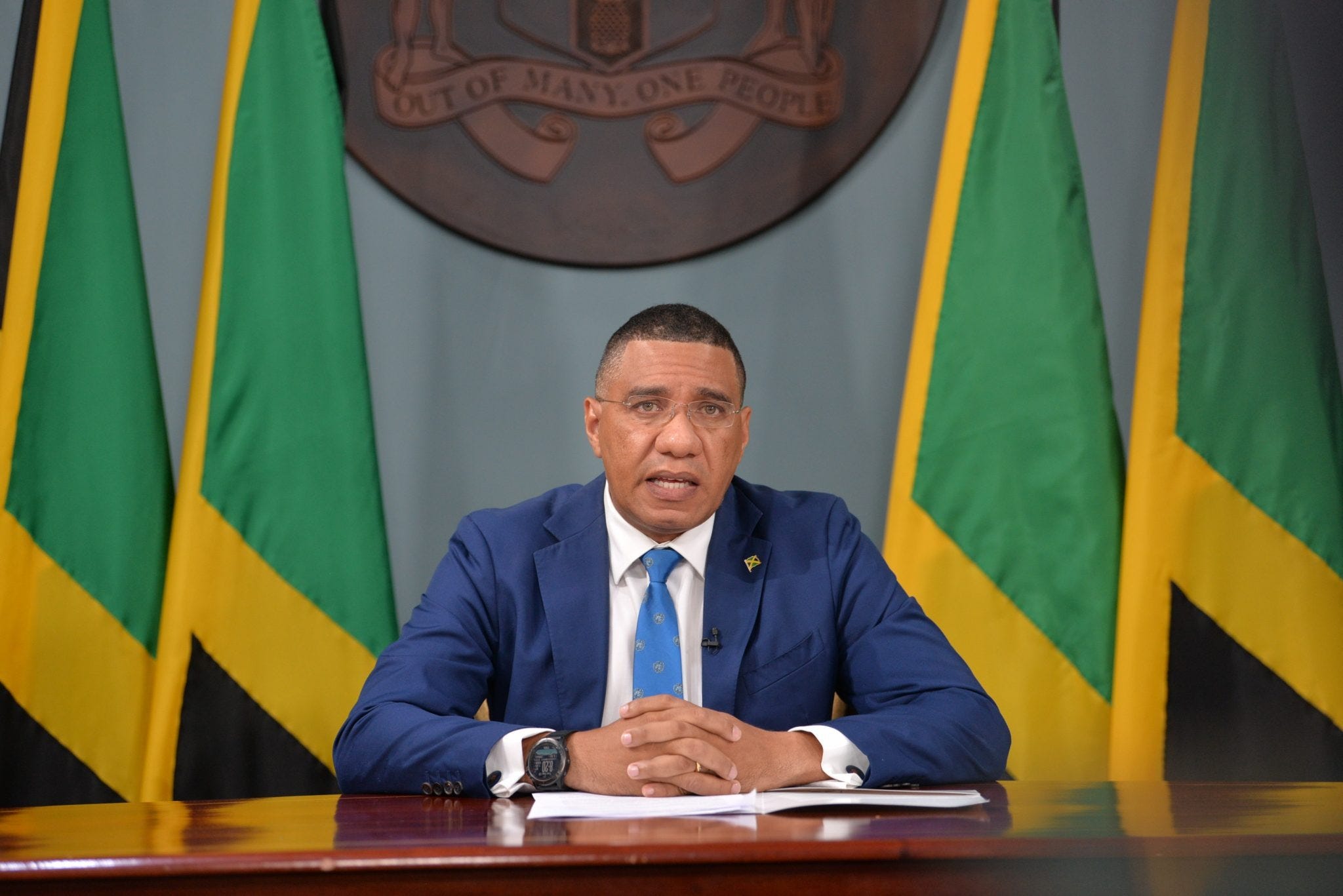
Jamaica is having the wrong argument.
For weeks, public debate has been dominated by controversies emanating from Gordon House, the home of the nation’s Parliament.
First came the uproar surrounding Opposition MP Dr Angela Brown Burke’s removal of the ceremonial mace.
Then came the dispute over whether first-term MP Nekeisha Burchell should have been permitted to address Parliament in Jamaican patois despite standing orders requiring the use of English.
Both incidents sparked passionate debate and raised legitimate questions about identity, culture and parliamentary tradition.
Yet neither confronts the larger issue staring Jamaica in the face: more than six decades after independence, the country remains tethered to constitutional arrangements rooted in British colonial rule.
Let me be clear: the removal of the mace was wrong. Rules are rules. A functioning democracy cannot survive if elected representatives obey only those rules they happen to like.
At the same time, democracy must leave room for dissent. Parliamentary protest has a long history. The appropriate consequence for breaching the rules is punishment under those rules, not outrage at the act of dissent itself.
Likewise, I have no quarrel with an MP seeking to address Parliament in Jamaican patois. The language is a living expression of our identity and deserves respect.
What I do question is the suggestion that the Speaker acted improperly. Standing Order 6 explicitly dictates that the proceedings and debates of the House must be conducted in English. One may disagree with the rule while acknowledging that it remains the rule.
Both controversies, therefore, present a similar lesson: if Parliament wishes to change its procedures, Parliament should change them.
But that is precisely the point.


The debate over the mace is a debate about symbolism, parliamentary authority and tradition.
The debate over patois is a debate about language and identity. Both matter. Neither addresses the deeper question of sovereignty.
Parliament cannot simply dispense with the mace. Under the rules inherited from the Westminster system, the House cannot properly conduct its business without it. If Jamaicans wish to change that arrangement, Parliament possesses the authority to do so.
Again, that is precisely the point.
Permit speeches in patois tomorrow and Jamaica would still be a constitutional monarchy. Amend the standing orders, redesign the mace or abandon Westminster customs altogether and Jamaica would still be a constitutional monarchy. The country’s Head of State would still be the British monarch.
“That is not an argument against Britain. It is an argument for Jamaica”
For years, politicians have spoken of completing the transition to a republic. Committees have been formed. Timelines have come and gone. Yet Jamaica remains suspended in constitutional limbo, rhetorically committed to republicanism while remaining institutionally attached to the Crown.
Perhaps nowhere is that contradiction more apparent than in Parliament itself.
At the opening of parliamentary sittings, members recite a prayer inherited from the Westminster tradition: “...the result of all our counsel may be to the glory of Thy blessed Name, the maintenance of true religion and justice, the safety, honour and happiness of the king...”
The words are familiar. The implications are less frequently examined.
This is not an argument against prayer or tradition. Rather, it is a reminder that some of the most enduring features of Jamaica’s constitutional order remain rooted in a forced relationship forged during colonial rule.
That reality sits uneasily beside the rhetoric of national self-determination.
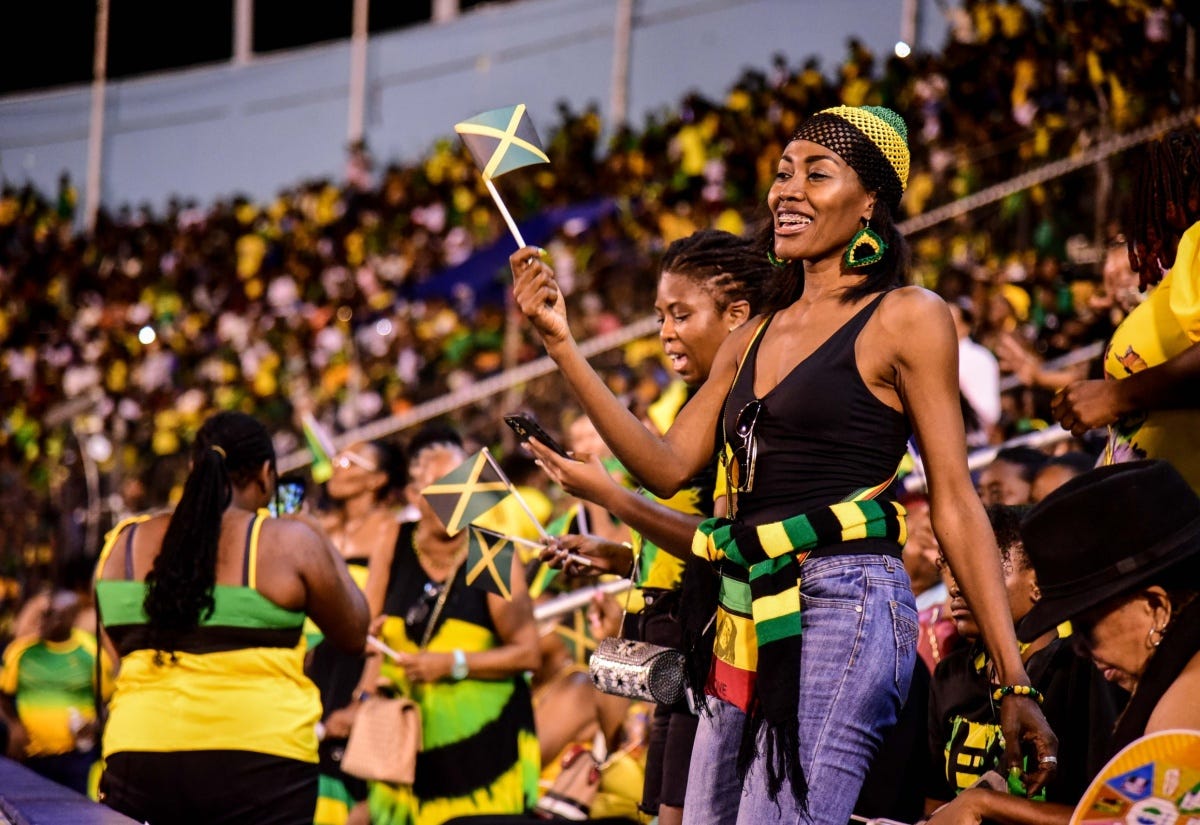
A nation does not complete the journey from colony to sovereign state merely by changing the language spoken in its legislature. Nor does it do so by altering parliamentary customs and conventions.
Those are changes to the décor; the house remains. The pun, of course, is intended.
The true test of national confidence is whether a people are prepared to place the ultimate symbols of statehood fully in their own hands.
This is why the debate over Jamaica’s constitutional future cannot be endlessly postponed. Legitimate questions remain regarding constitutional reform and the process required to become a republic. Those questions deserve careful consideration.
What they do not deserve is to become a permanent excuse for inaction.
The insistence that Jamaica’s transition to a republic be tied to resolving the final appellate court question risks delaying the more important objective.
Reasonable people can disagree about whether Jamaica’s final court should be the Caribbean Court of Justice, the Judicial Committee of the Privy Council or a Jamaican-based apex court.
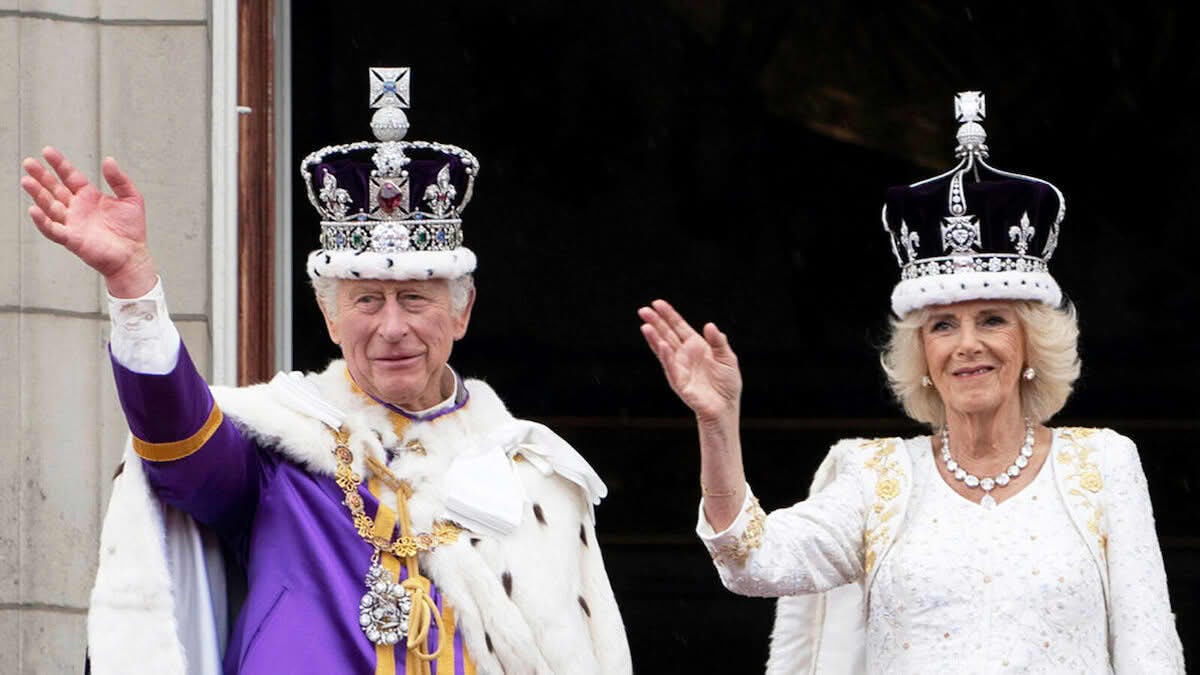
There should be far less room for hesitation on the question of whether Jamaica ought to have a Jamaican Head of State.
The generation that secured independence in 1962 broke the chains of colonial administration. The responsibility of this generation is to run with confidence the anchor leg of the constitutional journey they began.
Until then, Jamaica risks continuing a peculiar contradiction: fiercely proud of its independence, fiercely protective of its identity, yet still reluctant to sever the final constitutional ties to the institution that once sat atop its colonial order.
The controversies over the mace and patois have generated headlines. Perhaps they will ultimately serve a greater purpose. Perhaps they will force Jamaicans to ask a more fundamental question.
Not whether Parliament should look more Jamaican.
Not whether Parliament should sound more Jamaican.
But whether Jamaica is finally prepared to become fully Jamaican.
Got a news tip or story idea? Submit it via this form. Reader feedback and corrections are welcomed separately here.
