

Carnival axed, Starmer versus Black MPs and sickle cases rise
Plus: Why patois is banned in Jamaica's parliament
Morning everyone!
We’re back with another weekly round-up and the fallout from Britain’s local elections continues to unfold.
Reform UK’s rise has unsettled many minoritised communities, while pressure is mounting on Prime Minister Keir Starmer following Labour’s bruising losses and growing calls for his resignation.
Among those voicing concern about Labour’s direction are its own Miatta Fahnbulleh, a junior minister in the housing and communities department, plus MPs Bell Ribeiro-Addy, Diane Abbott, Paulette Hamilton, Kim Johnson and Clive Lewis.
This adds to broader questions about the party’s messaging, leadership and relationship with the communities it has long relied upon.
Moreover, opposition leader Kemi Badenoch has been dealing with Labour’s case during PMQs. We mean properly tearing them a new one, prompting praise from ever-controversial rapper Nicki Minaj, across the pond, in the process. Absolute scenes!
Against that backdrop, this week’s newsletter once again reflects deeper conversations around race, belonging, power and identity in modern Britain.
By the way: demand for our commemorative print magazine has been strong, so don’t leave it too late to order your copy.
It features huge political voices, cultural trailblazers, Black British history and more. Trust us: you’ll want to say you got the first one 😁.
Scroll for the news!
Good news
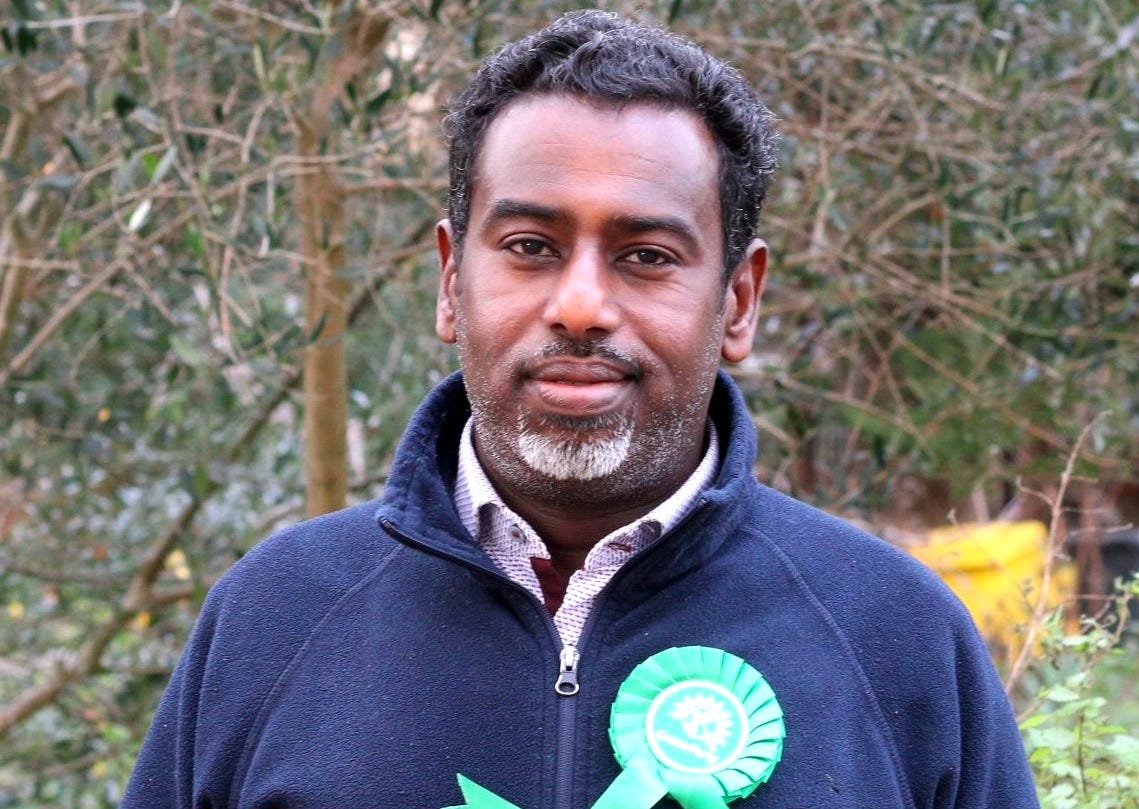
Yassin Mohamud becomes Bristol’s first Somali Lord Mayor
Bob Marley’s children are backing a growing call for a landmark Rastafari Rights and Justice Act in Jamaica
Lewis Hamilton backs students at risk of exclusion during London school visit
‘It’s a joy’: Actress Jo Martin honoured at BUFF Awards for outstanding contribution to British film and TV
Black Eats Fest returns to Hackney Bridge in 2026
Jamaican MP blocked from speaking patois in parliament because it isn’t the “Queen’s English”
Jamaican MP Nekeisha Burchell was interrupted in parliament on Wednesday after beginning a speech in patois, with Speaker Juliet Holness invoking rules (“Standing Orders”) requiring proceedings to be conducted in English.
Burchell - who is also Opposition Spokesperson on Creative Industries, Culture and Information - later switched to what she called the “Queen’s English”, but argued patois still struggles for acceptance in Jamaica’s most formal national spaces.
Supporters noted that Minister of State Alando Terrelonge previously addressed Cuban guests in Spanish inside the chamber and the Speaker did not object, stating that Mr Terrelonge had been granted special permission in advance to speak the foreign language.
…this is the same Jamaica that is reportedly striving to become a republic and remove the British monarch as head of state. The moment has naturally reignited wider debates around colonial legacies, language and identity.
Drug trafficker from Cyprus granted UK residency under Windrush scheme, raising questions
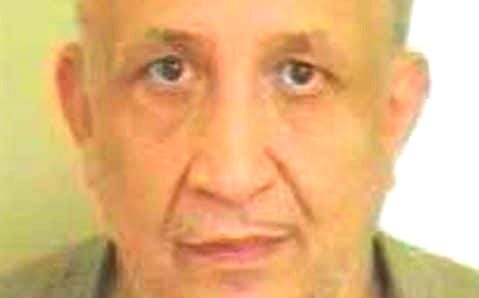
A tribunal heard that a Cypriot man convicted over major heroin trafficking offences was granted settled status under the Windrush scheme while still in prison.
The case is likely to reignite debate over how the Windrush scheme is being interpreted and applied, particularly given that it was originally introduced to correct historic injustices experienced by long-settled Commonwealth citizens, especially from the Caribbean.
For some critics, the concern is less about the individual’s offences and more about concerns around eligibility, nationality and whether the Windrush scheme is now being interpreted and applied beyond the communities many believed it was originally designed to support.
Sickle cell cases rising as NHS appeals for more blood donors from Black communities
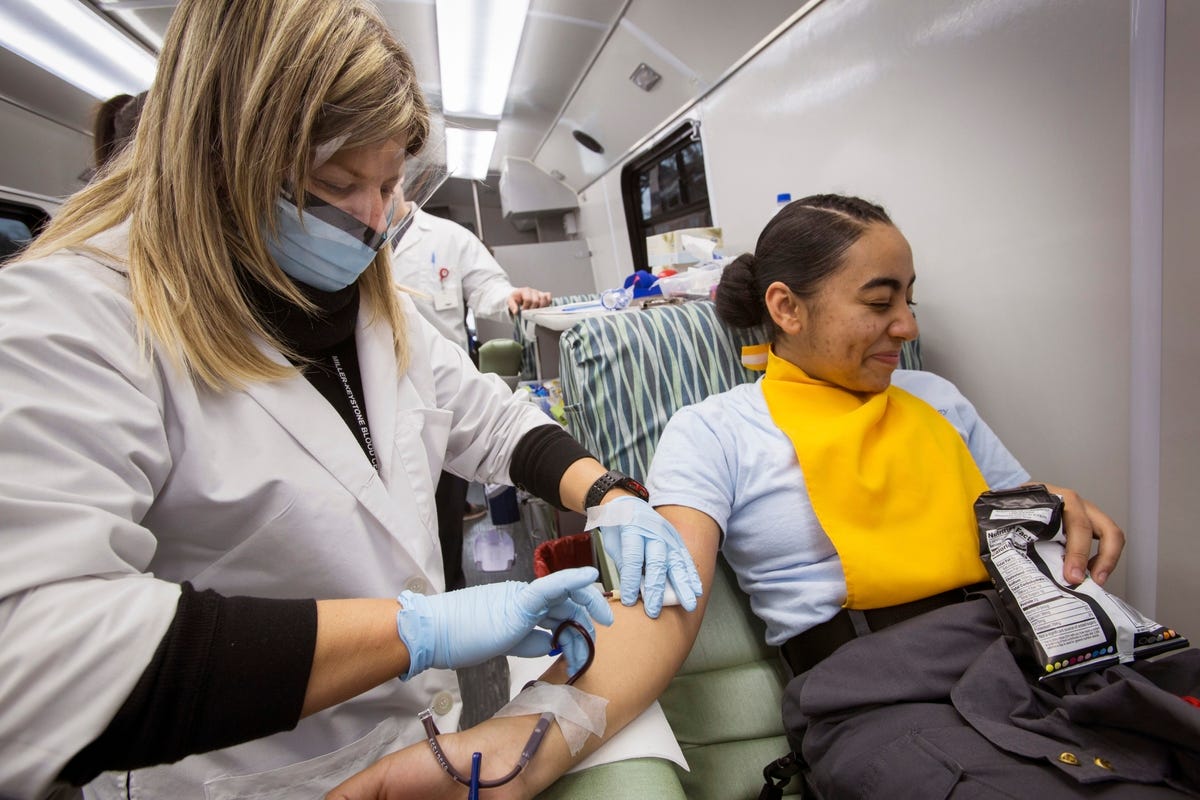
Cases of sickle cell disease are rising in England, driving a 132% increase in demand for specialist blood transfusions over the past decade and prompting a renewed NHS appeal for more Black donors.
Experts say Black donors are crucial for closely matched transfusions, yet they remain significantly underrepresented among England’s blood donor population.
‘Patients tried to punch me because of my skin colour’: Racism against NHS staff rises, data suggests

Reports of patients racially abusing NHS workers in England rose by 17% in a year, according to BBC analysis of NHS trust data.
Some frontline staff say the abuse has become so severe that they are questioning whether to remain in the profession.
What else we’re reading
St Paul’s Carnival will not go ahead in Bristol this year after organisers said rising costs had made the event impossible to deliver safely and sustainably
Trump supporter and German financier charged over ‘racist’ assault at London station
£20,000 reward offered in drive-by Brixton shooting appeal
Black and Asian communities fear rise in racism after Reform UK gains
Over 100 academics, writers and activists condemn plans to axe Birmingham City University Black Studies MA
Reform councillor condemned over ‘non white persons taking over’ park remarks
Stormzy to Executive Produce Biopic of Arsenal and England Soccer Legend Ian Wright
Nine health watchdogs move to address racism in healthcare workplaces
Elon Musk sparks racism accusations after questioning Lupita Nyong’o’s beauty in The Odyssey
Revealed | Black woman faces jail in Lithuania. Her “crime”? ‘Mocking white people’
Expert says ‘government rhetoric feeds Islamophobia and racism’
Reform UK councillor Glenn Gibbins only now suspended over racist comments suggesting Nigerians should be “melted down” to fill potholes - despite warnings before election
Met Police judicial review victory clears path for wider facial recognition use across London
‘Minority communities in Northern Ireland ‘living in perpetual fear’
Record complaints filed over UK press ‘smear’ of Misan Harriman
‘Names can be a barrier’: Black lawyers tackle inclusion
UK slavery reparations must be top issue at Commonwealth summit, says former Caribbean leader
Farewell, Clarence Thompson
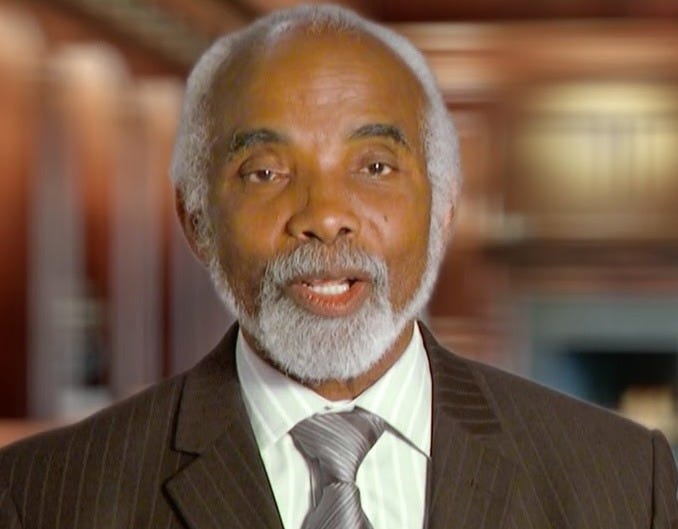
Trinidad-born social scientist and educator Clarence Thompson has died.
Mr Thompson was a key figure in Britain’s post-war Black civil rights movement. As chairman of the West Indian Standing Conference, formed in 1958 following the Notting Hill riots and the racist murder of Kelso Cochrane, he helped organise Caribbean communities and push for change during a deeply hostile period in British history.
Over the decades, he worked to build understanding between Britain’s white population and African heritage communities, contributing to the foundations of modern equality work in the UK.
His legacy is that of a generation that challenged racism head-on and helped shape the Britain many know today.
Got a news tip or story idea? Submit it via this form. Reader feedback and corrections are welcomed separately here.
