

Women in Africa up to 150 times more likely to die from maternal sepsis than in Europe, study reveals
High-profile figures including singer Beverley Knight and author Yomi Adegoke urge protection of UK aid funding for water and maternal health
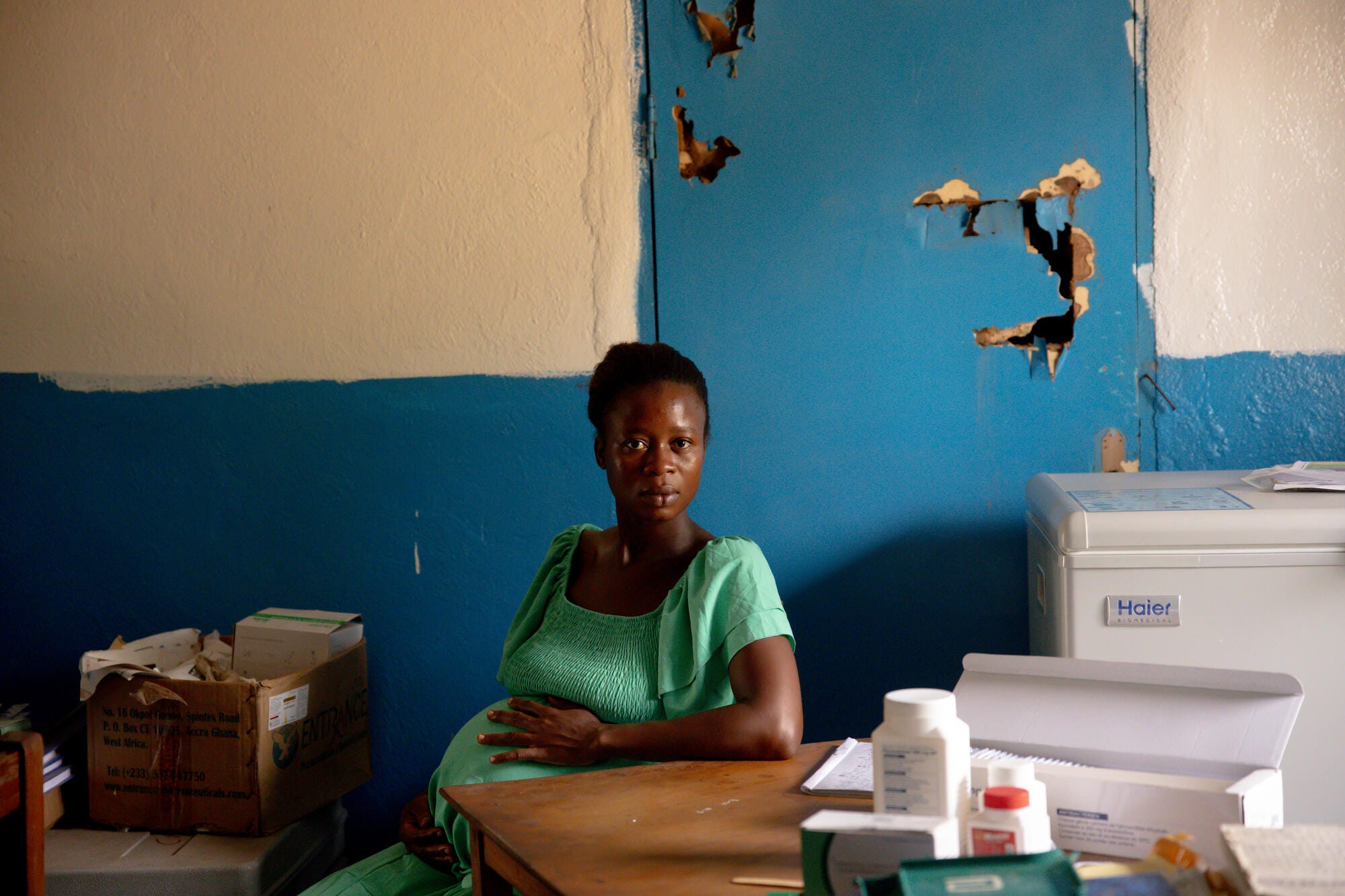
Women in sub-Saharan Africa who develop maternal sepsis are almost 150 times more likely to die than those in Europe, according to new research released by WaterAid.
The findings, published as part of the charity’s Time to Deliver campaign, have prompted renewed calls for the UK government to protect overseas aid funding for water, sanitation and hygiene.
The campaign is backed by high-profile figures including singer Beverley Knight and journalist and author Yomi Adegoke, alongside broadcaster Myleene Klass, actors Sir Mark Rylance and Adjoa Andoh, plus others.
Amaka Godfrey, WaterAid’s Executive Director of International Programmes, said: “In the UK, maternal sepsis remains one of the most feared and life-threatening complications of pregnancy and childbirth.
“No woman, anywhere, should fear dying in childbirth simply because there is no clean water.
“In sub-Saharan Africa, one in nine mothers face this reality due to inadequate water, sanitation and hygiene, a crisis made worse by UK aid cuts leaving increasing numbers of women without the basics needed for a safe, dignified birth.”
The warning comes ahead of the UN Water Conference in December, where global leaders are expected to address access to clean water, sanitation and hygiene.
Maternal sepsis, a life-threatening infection that can develop during or after pregnancy, remains one of the leading causes of death in childbirth globally, underscoring stark inequalities in maternal healthcare.
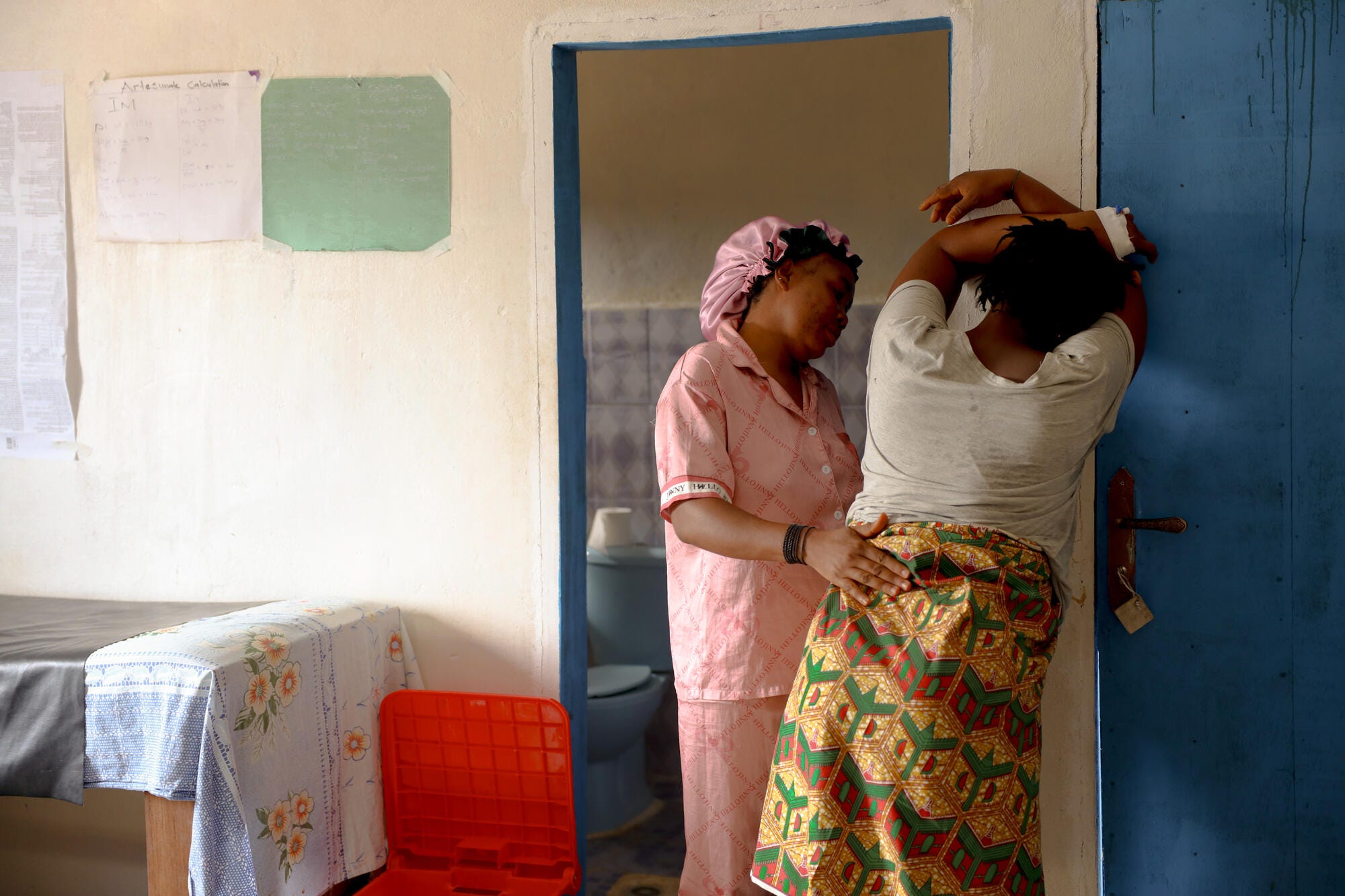
Asatta M Gray, a teacher in Grand Cape Mount, Liberia, said: “When I was delivering, there was no water at the facility. The caretaker had to go and draw water and bring it to the clinic.
“For my previous deliveries, I would have a clean-up and then wear my clothes and go home before taking a bath.”
Shanette Khaula Shamu, a midwife at Bomboja Clinic in Grand Cape Mount, Liberia, explained how a lack of clean water can make childbirth dangerous.
“Water is important. It is the key tool to the health of the mother and the child,” she said.
“Because everything that is done in that process, when it’s not clean, that delivery is not a safe one.
“It’s never considered a safe delivery because through the process the perineum needs to be clean.
“Through that process, everything that needs to be done, has to use water to clean the place than remove your glove and use a sterile glove to care for the child.
“You have to be able to wash your hands.
“If you don’t do this, you can introduce bacteria into the woman. Bacteria she got from the facility, she didn’t come with it.
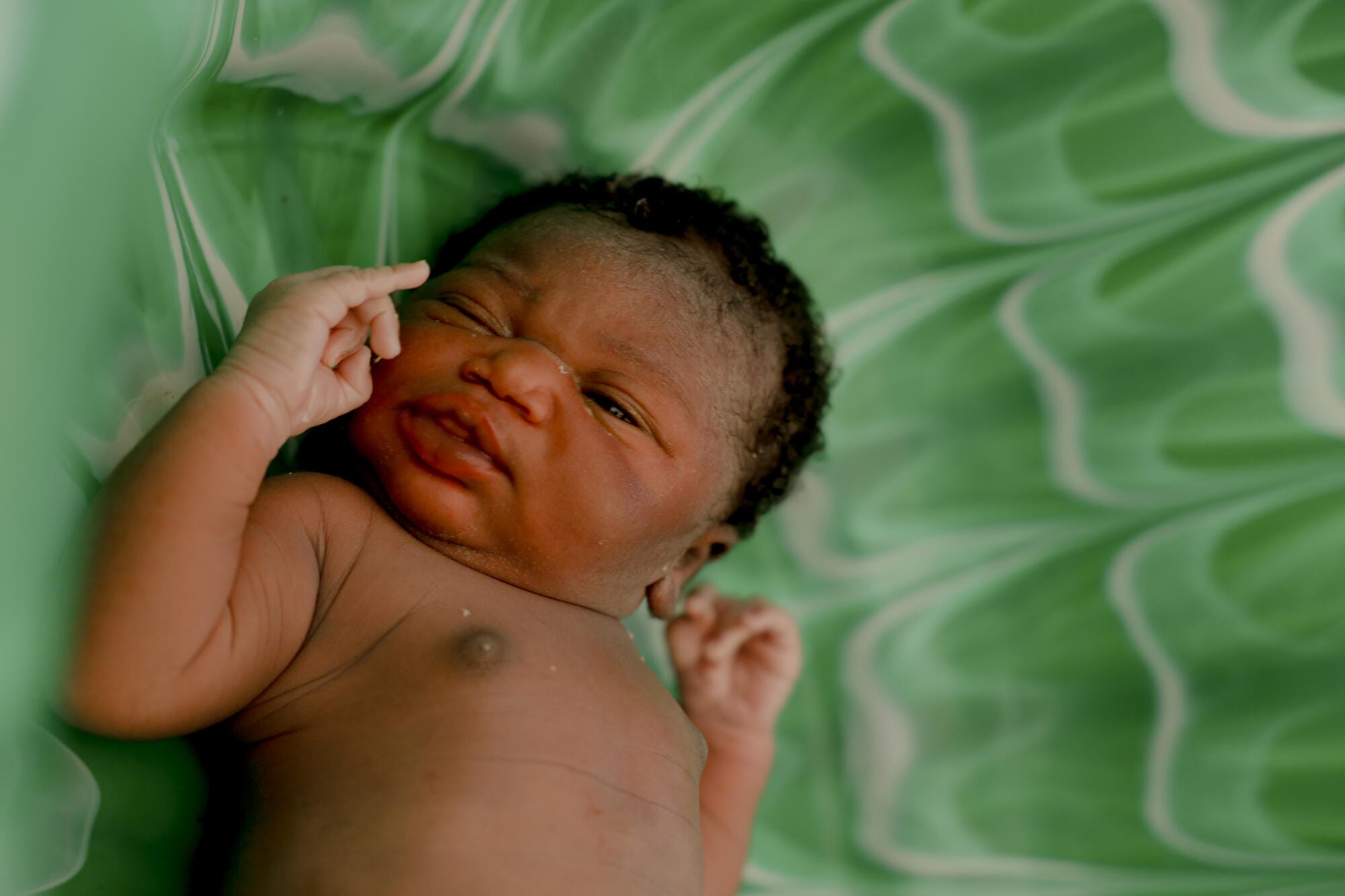
“Then she will come down with postpartum sepsis. This is very dangerous.”
Her account reflects wider systemic failings across maternity care settings in the region.
Most maternity wards lack proper cleaning (65%), two-thirds do not have clean water and soap for staff to wash their hands (66%), and nearly four in five do not have a functioning toilet (78%), the report found.
As a result, one in nine women develop maternal sepsis, with an estimated 36 deaths each day linked to the condition.
More than 15.4 million births each year take place in facilities without essentials such as clean water, sanitation or handwashing, according to the report.
The charity warns that recent UK aid cuts have worsened the situation, reducing funding for water, sanitation and hygiene from £206.5 million in 2018 to £80 million in 2024, with further reductions expected.
The campaign, launched in Parliament, is urging the UK government to place women and girls at the centre of its development strategy and to mobilise international action ahead of the UN Water Conference later this year.
The UK government has been approached for comment.
Got a news tip or story idea? Submit it via this form. Reader feedback and corrections are welcomed separately here.
