

National Police Race Action Plan fails to deliver meaningful change, watchdog says
A five-year independent review finds limited progress in policing, with little meaningful change for Black communities
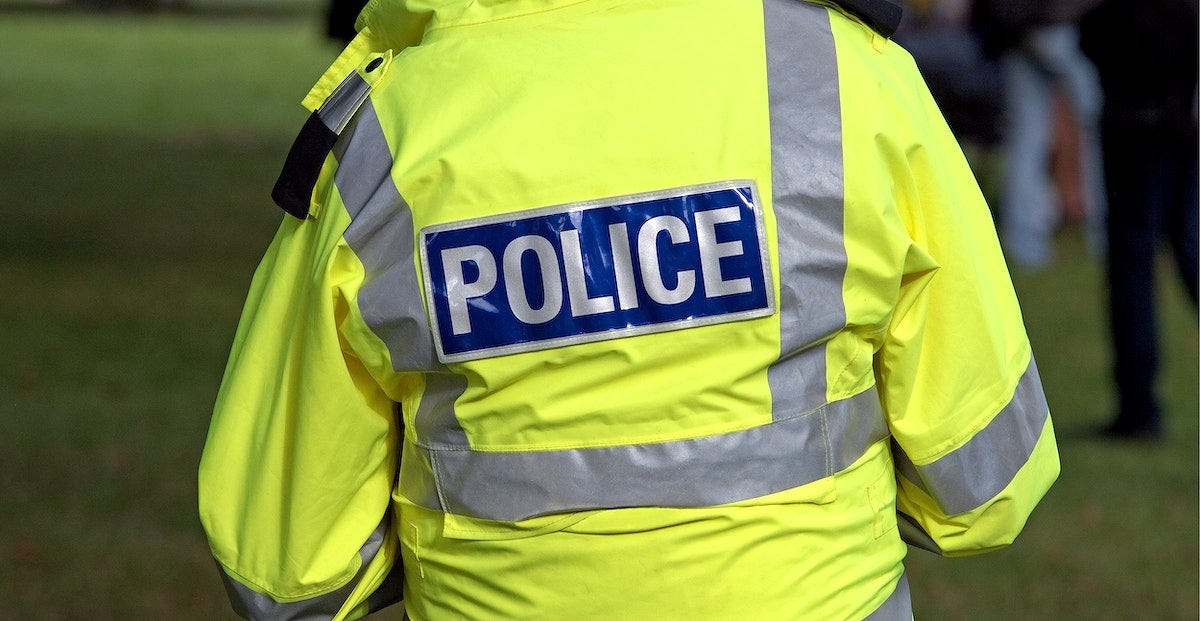
A flagship police reform programme launched in the wake of the global Black Lives Matter protests has failed to deliver the level of change promised to Black communities, according to a damning new report.
An assessment by the Independent Scrutiny and Oversight Board (ISOB), which monitored the Police Race Action Plan (PRAP) over five years, concludes that progress has been “not enough, not fast enough, and not in the ways that matter most”.
The findings cut through years of official rhetoric, exposing a gap between ambition and reality that will feel familiar to many.
Barrister Abimbola Johnson, the board’s chair, is unequivocal in her assessment of what five years of independent scrutiny has produced, writing in the report’s foreword: “The honest answer, at the end of those five years, is: not enough, not fast enough, and not in the ways that matter most to the communities this work was created to serve.”
Launched in 2021 following the murder of George Floyd and renewed scrutiny of UK policing, the Race Action Plan was meant to transform how forces engage with Black communities.
Instead, the report paints a picture of uneven change, driven more by individuals than systems.

At its core, the issue is structural. Racism in policing is not simply about individual behaviour, but embedded in systems, culture and decision-making, the report states.
Yet many forces have been reluctant to publicly acknowledge that reality. As of March 2026, only six out of 44 police forces had formally accepted the existence of institutional racism: Avon & Somerset, Bedfordshire, British Transport Police, Dorset Police, Gloucestershire and South Wales Police.
Without that baseline, meaningful reform becomes difficult to sustain, let alone scale nationally.
Instead, policing has often defaulted to safer ground. Training, consultation and strategy documents have multiplied, but the report questions whether these efforts have led to tangible improvements in people’s lived experiences.
Forces have been “better at producing action plans than demonstrating their impact”, contributing to concerns that engagement with Black communities is sometimes more performative than transformative.
Trust remains low, with one poll suggesting only 46% of Black people in England trust the police compared to 64% of white adults.
The report stresses that confidence cannot be rebuilt through messaging alone, but through sustained behavioural change.
There are examples of progress. For example, some forces have improved transparency and data collection. British Transport Police, for instance, reduced gaps in ethnicity data in stop and search through stronger accountability.
However, these remain isolated rather than systemic. Progress is often tied to individual leaders and, when they move on, momentum stalls.
Without embedded structures and enforceable standards, change remains fragile, the report suggests.
The Race Action Plan itself was voluntary, with no legal requirement, enforcement mechanism or consistent oversight from central government.
As a result, progress has depended heavily on the willingness of individual forces to engage.
The ISOB is now urging the Home Office to plan for what comes next, including funding independent watchdogs and community groups to continue holding policing to account beyond March 2026.
It also identifies internal police culture, including resistance and defensiveness, as a key barrier to change.
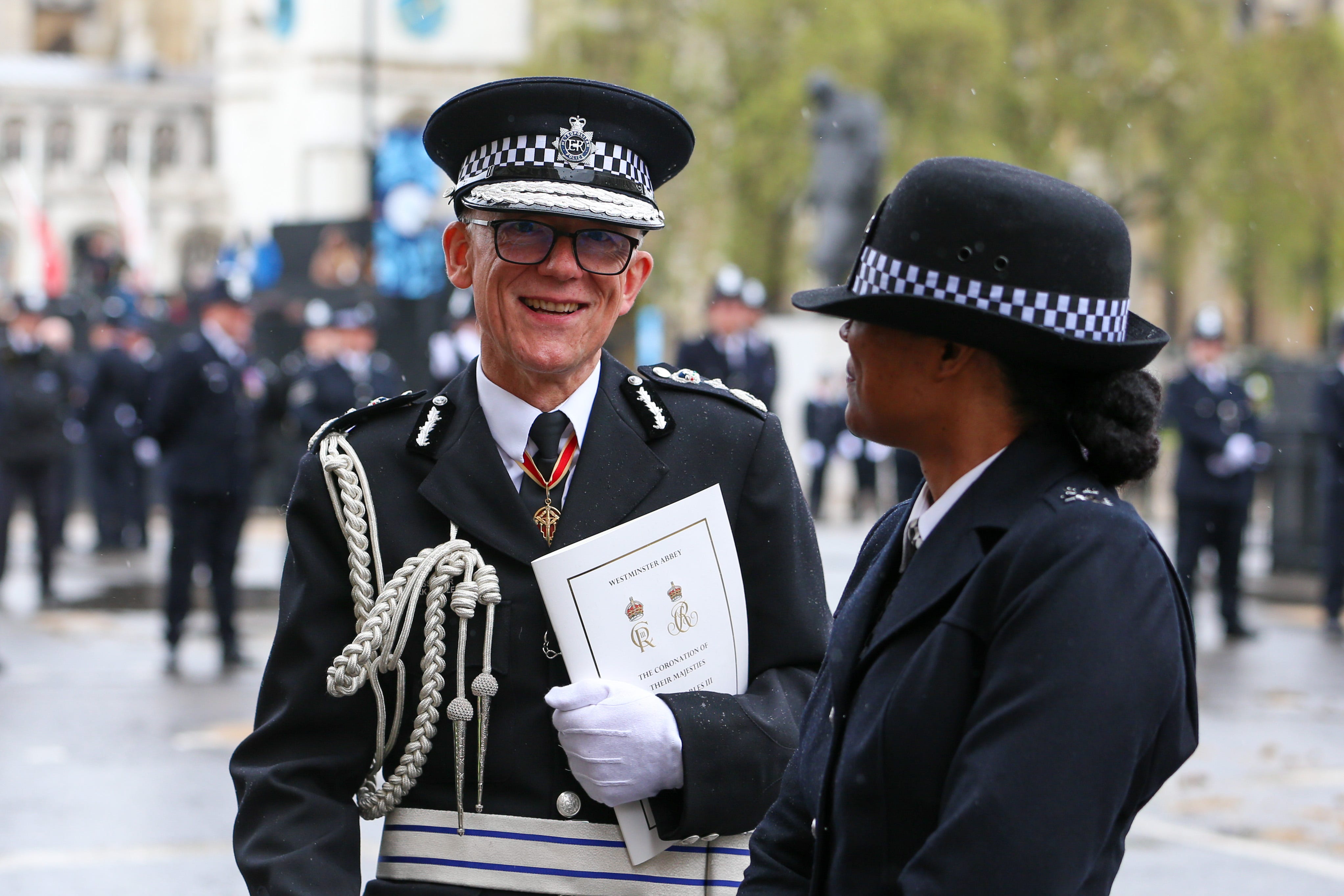
The report singles out the Metropolitan Police Service as a persistent flashpoint, asking: “How do you solve a problem like the Met?”
For every year of the PRAP, the force was embroiled in a high-profile race-related scandal.
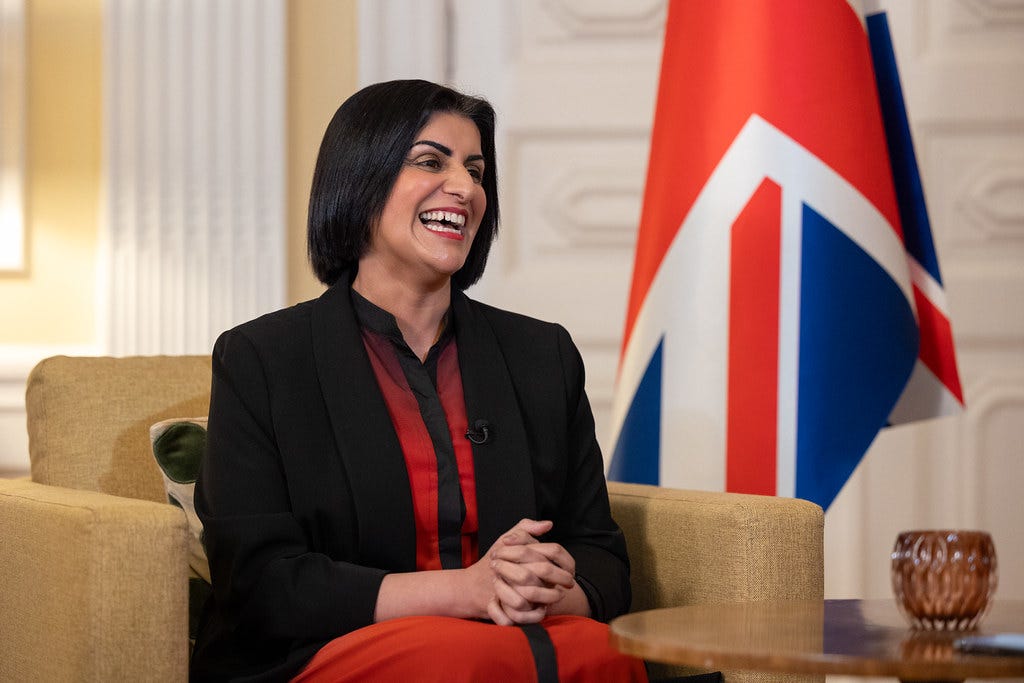
Britain’s largest police force has remained at the centre of repeated controversies, from the strip-search of Child Q to findings of institutional racism in the Casey Review and Dr Shereen Daniels’ ‘30 Patterns of Harm’ review.
One senior figure quoted in the report describes the force as “incredibly insular and self-focused”, adding that despite having “more problems pointed out than any other force”, it remains “very defensive about external influence”.
Other forces, including less diverse rural ones, are described as more willing to seek outside advice.
For a force of its size and influence, the findings raise serious questions about how deeply reform has taken hold, the report concludes.
The Metropolitan Police has been approached for comment.
Significant gaps remain. Intersectionality is largely absent, while incomplete data limits a clear understanding of who is most affected and how.
With central funding for the ISOB having ended on 31 March, there is no clear plan for what follows, raising concerns about whether even limited progress can be sustained.
The recommendations are directed at national policing bodies, the Home Office and oversight institutions. They include embedding race equity into inspection frameworks, introducing enforceable standards, improving data collection and ensuring scrutiny is independent and properly funded.
After five years, the report makes clear that the structures needed to deliver meaningful change are still not fully in place.
The Home Office has been approached for comment.
If you value independent journalism that puts Black perspectives front and centre, support Black Current News by subscribing. Got a news tip or story idea? Submit it via this form. Reader feedback and corrections are welcome here.

Surprise surprise 😏
Why would we be surprised when the man leading the Met is the same man who stated that MPS police is not institutionally racist !!.
The Met pays just lip service to the Black community time after time, and report after report.
There is no consequence for inaction, and as a result, just more empty promises.
The time has come for the Black Community to boycott any meeting with senior police officers until real fundamental change is made to the MPS.
The MPS is far too big to bring about meaningful change and must be broken up.
Every single Commissioner has shown that they cannot deliver real change and accountability.
I have been advocating that the MPS needs to be reformed/broken up into 2 or 4 separate areas, split into North and South, etc., each with its own fully accountable Lead Commissioner.
Until this happens, nothing will ever change.
Also, appoint a person of colour as Commissioner for a real change.