

‘When I see hot weather, I think: hospital’: The reality of navigating a heatwave with sickle cell
As Britain’s fourth heatwave hits, Calvin Campbell reveals how extreme heat can trigger severe sickle cell pain and hospital admissions

Many people across Britain welcome soaring temperatures as an excuse to frolic. But the world’s on fire, love, and what feels like a glorious summer to some, can be dangerous for others.
Climate change is estimated to have been responsible for about 42% of the deaths during Britain’s May and June heatwaves.
Now, as a fourth heatwave hits parts of Britain, with highs of up to 35 degrees expected, the UK Health Security Agency (UKHSA) has warned of increasing health risks, particularly for vulnerable groups.
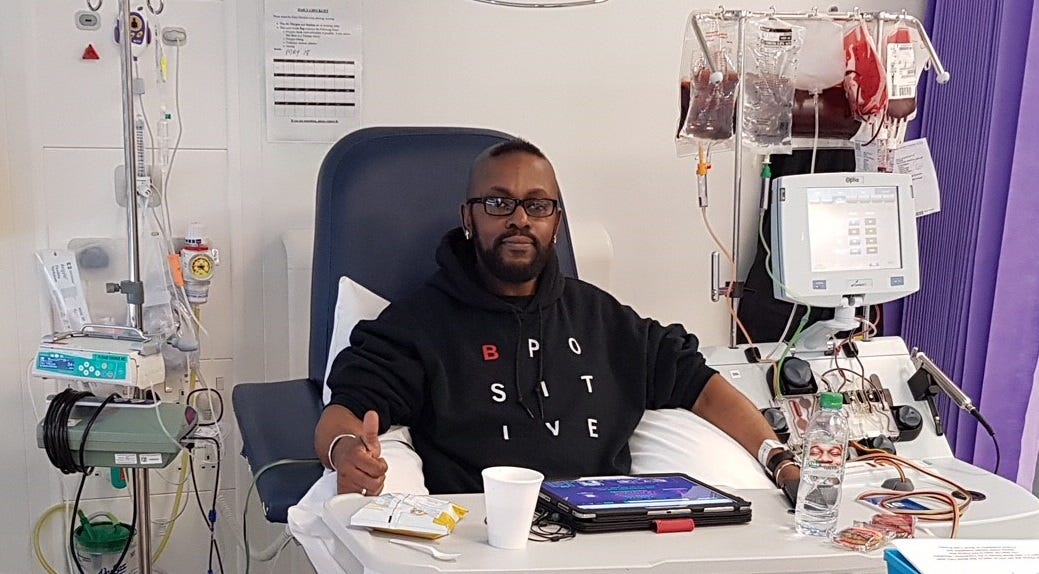
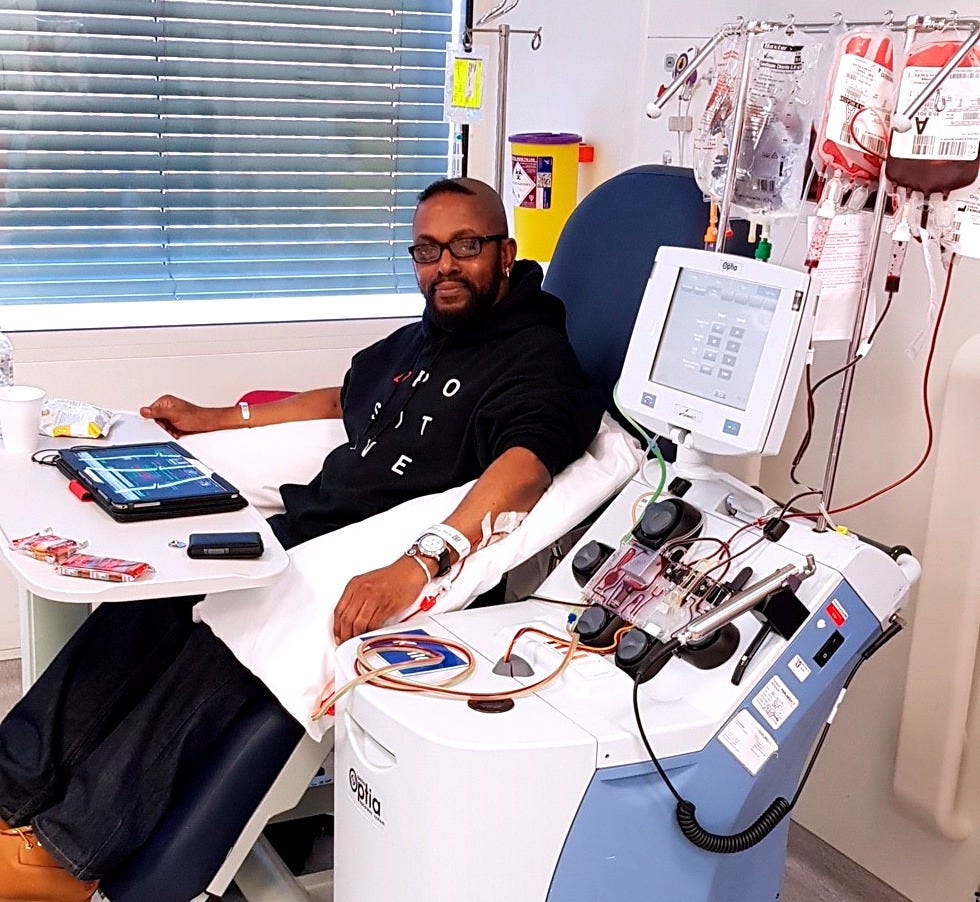
For Calvin Campbell, who lives with sickle cell disease, extreme heat brings the threat of excruciating pain, blood transfusions and another hospital admission.
“I’m not a big fan of the sun and extreme heat because, for me, it means one thing: hospital,” the South Londoner tells Black Current News.
“When I was a kid, every summer holiday, without fail, I knew exactly where I would be. I would be spending it in hospital”.
Sickle cell disease is an inherited condition in which red blood cells can become rigid and sickle-shaped, rather than remaining round and flexible. These cells can block blood flow, causing severe pain and potentially damaging organs.
High temperatures place additional strain on the body and increase the risk of dehydration through fluid loss, including sweating. This can make the blood more concentrated and viscous, increasing the likelihood of sickled cells blocking blood flow and triggering a crisis.
Sickle cell disease is the UK’s fastest-growing inherited genetic condition, affecting around 18,500 people, with approximately 300 babies born with the disorder each year.
“When it gets really hot, there isn’t a lot I can do,” Calvin, a father-of-two, explains.
“In the hot weather, especially recently, I drink on average six or seven litres of water a day. But no matter what I drink, I can’t drink enough to stay hydrated.
“My blood is already thick and I dehydrate easily, so the effect on me is doubled or trebled. It becomes like trying to squeeze almost-solid syrup or honey through a tiny tube. Eventually, it stops and blocks the tube.
“That is what causes the crisis.”
For Calvin, who’s also a grandfather, pain is already a constant presence which he likens to “background noise”; a constant, excruciating reality. Hot weather can make it considerably worse.
“If you thought of pain like sound, pain is never silence,” he says. “It is always there in various forms. The heat adds to that.”
“It feels incredibly frustrating because people say, ‘Get out and get some sun.’ They don’t understand,” - Calvin Campbell
He has been admitted to hospital three times this year alone and says he received 45 units of blood over two months as doctors treated complications arising from his condition.
“The number of my friends who are in hospital now, bouncing in and out of hospital, having to go to A&E for a few days or going home for a couple of days to manage the pain shows what the heat does,” he says.

Gerry Gogarty, Director of Blood Supply at NHS Blood and Transplant, says extreme weather can place further pressure on stocks.
“The NHS has seen an increased need for sickle cell patients requiring emergency transfusions and treatment due to the hot weather, highlighting the vital role blood donors play every day,” he says.
“For many patients living with sickle cell, receiving closely matched blood can help prevent serious complications and improve treatment outcomes.
“The Ro subtype, which is more commonly found in donors of Black heritage, is particularly important. As demand increases, so does the need for these donors to come forward and donate.”
Periods of heat in the UK are likely to become more intense, longer and more frequent as the world continues to warm, the Met Office has warned.
Meanwhile, Calvin says public celebration of heatwaves can feel alienating when their consequences are potentially life-threatening.
While others are encouraged to go outside and enjoy the sunshine, Calvin often remains indoors with air conditioning and two large fans.
During hot weather in May, he says the temperature in his room reached 39.7°C.
“It feels incredibly frustrating because people say, ‘Get out and get some sun.’ They don’t understand,” he says.
So, a forecast of soaring temperatures does not evoke thoughts of barbecues, parks or summer holidays for Calvin.
“When I see it gets really hot, I just think: ‘Yeah, hospital’,” he says.
For more information, read the Sickle Cell Society’s guidance on living well with sickle cell during hot weather.
Got a news tip or story idea? Submit it via this form. Reader feedback and corrections are welcomed separately here.
