

What does the new Renters' Rights Act mean for Black people?
As the new law comes into force today, we break down what’s changing and who stands to benefit in the rental market



From today (1st May 2026), the UK rental sector is undergoing the biggest transformation in a generation.
The Renters’ Rights Act 2025 will give tenants new rights and introduce new rules for private landlords.
But for Black renters in the UK, these changes carry particular weight. Over one third of us rent privately in the UK, whilst facing heightened discrimination from landlords.
Alongside that, Black Britons have also faced longstanding inequalities shaping housing access and affordability.
Shelter, the homelessness charity, reports that Black and Asian people are more likely than white people to face persistently low incomes after housing costs.
Alongside this, Black and Bangladeshi families are most likely to need housing benefit to help cover the cost of housing.
So, below we explain what’s changing and what this means for Black Britons across the UK.
An end to no-fault evictions
One of the most significant changes for renters and landlords in the Renters’ Rights Act is the abolition of no-fault evictions, otherwise known as a section 21 eviction. Landlords must now provide a reason for evicting a tenant.
For Black renters, landlord requests and evictions are one of the main reasons that Black tenants are forced to move.
In London between 2014 and 2018, Black households were significantly more likely than those of other ethnicities to report moving because their landlord ended the tenancy or evicted them.

This change introduces a level of stability for Black renters, reducing the risk of sudden displacement and giving tenants more control.
Rent protections and greater stability
Landlords will only be able to raise rent once a year and tenants will have a right to appeal any unfair increases.
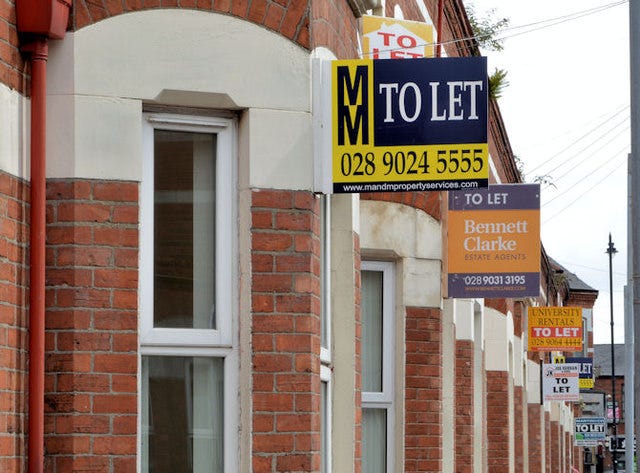
Tenants will be able to appeal unfair rent increases through The Private Landlord Ombudsman, which will be launched in late 2026.
The ombudsman will aim to help renters sort complaints against landlords quickly and fairly - without needing to go to court.
In the UK in 2022, the ONS reported that Black, African, Caribbean or Black British employees earned less (£13.53) median gross hourly pay than white employees (£14.35), which has been consistent since 2012.
This means that Black British employees are hit harder by rent increases financially than their white counterparts. Greater predictability around rent could help reduce financial strain and make long-term renting more manageable.
Stronger standards
Another key reform focuses on living conditions. The Act introduces stricter requirements for landlords to ensure properties meet acceptable standards.
According to the Greater London Authority, between 2015 and 2017, 29% of Black private renters in London were deemed to live in homes below the official decent homes standard.

By raising and ensuring a minimum standard of housing, the legislation should ensure tenants are not forced to choose between affordability and basic living conditions.
The Act will also extend “Awaab’s Law” to the private rented sector, setting clear legal timeframes for landlords to fix serious hazards such as damp and mould.
The law was introduced following the death of toddler Awaab Ishak (2020), who was exposed to prolonged mould in his family’s home.
Given that Black renters are disproportionately more likely to live in substandard housing, the reform is expected to have particular significance for affected communities.
Fairer access: deposits and up-front costs
Upfront costs are a major barrier to entry when it comes to housing. The Renters’ Rights act also strengthens limits and introduces rules aimed at making renting more accessible and transparent.
Landlords cannot ask for more than one month’s rent up-front.

With Black workers earning less, on average, than their white counterparts, this limits their saving power, making it harder to save for deposits and initial costs. The changes also limit the size of deposits that landlords can take in the first instance.
Landlords must also stick to the advertised rental price, which means no more bidding wars and gazumping by other renters.
Greater accountability for landlords
The Act also introduces stronger accountability measures.
One of which is the removal of fixed-term tenancy agreements. All tenancies are now rolling.
This gives tenants more flexibility, along with more security, knowing that tenants can end a tenancy with two months’ notice without any additional fines.

It will also be illegal to refuse tenants just because they receive benefits or have kids or pets.
Among renters, Black and Asian people are 87% more likely to have experienced illegal acts by their landlord in the last year compared to white British/Irish renters.
One third (32%) of Black people with experience of homelessness reported discrimination from a social or private landlord.
According to the UK Government, 51% of families received some form of state support, such as the State Pension or Child Benefit, in the three years to March 2021.
These changes are expected to make it easier for Black families to access the private rented sector, particularly as “no DSS” or “no benefits” policies have historically limited options for many from minoritised communities, often pushing them into poorer-quality housing.
What does this all mean in practice?
The Renters’ Rights Act should mean a fairer housing system for all.
For Black renters, who are more likely to rent, more likely to face affordability pressures and more likely to encounter discrimination, these reforms are particularly relevant.
And this legislation does not close the gap completely for Black Brits. Black people still face other forms of inequality, including wage discrimination and systemic bias and these will continue to have an impact on Black people in the housing market.
But policy alone doesn’t enforce itself. Knowing when a rent increase is unfair, when an eviction is unlawful, or when you are being discriminated against is what allows you to challenge it.

If you want to learn more about your rights under the new laws, organisations like Shelter and Citizens Advice offer clear, free guidance on renting, evictions and dealing with landlords.
You can also find official updates and breakdowns of the legislation on the UK Government’s website.
If you’re worried about your situation, there are places to turn.
Shelter runs a free helpline and online advice service, while Citizens Advice can support with everything from housing disputes to benefits.
Local councils can also provide support if you are at risk of homelessness or facing unsafe living conditions.
Got a news tip or story idea? Submit it via this form. Reader feedback and corrections are welcomed separately here.
