

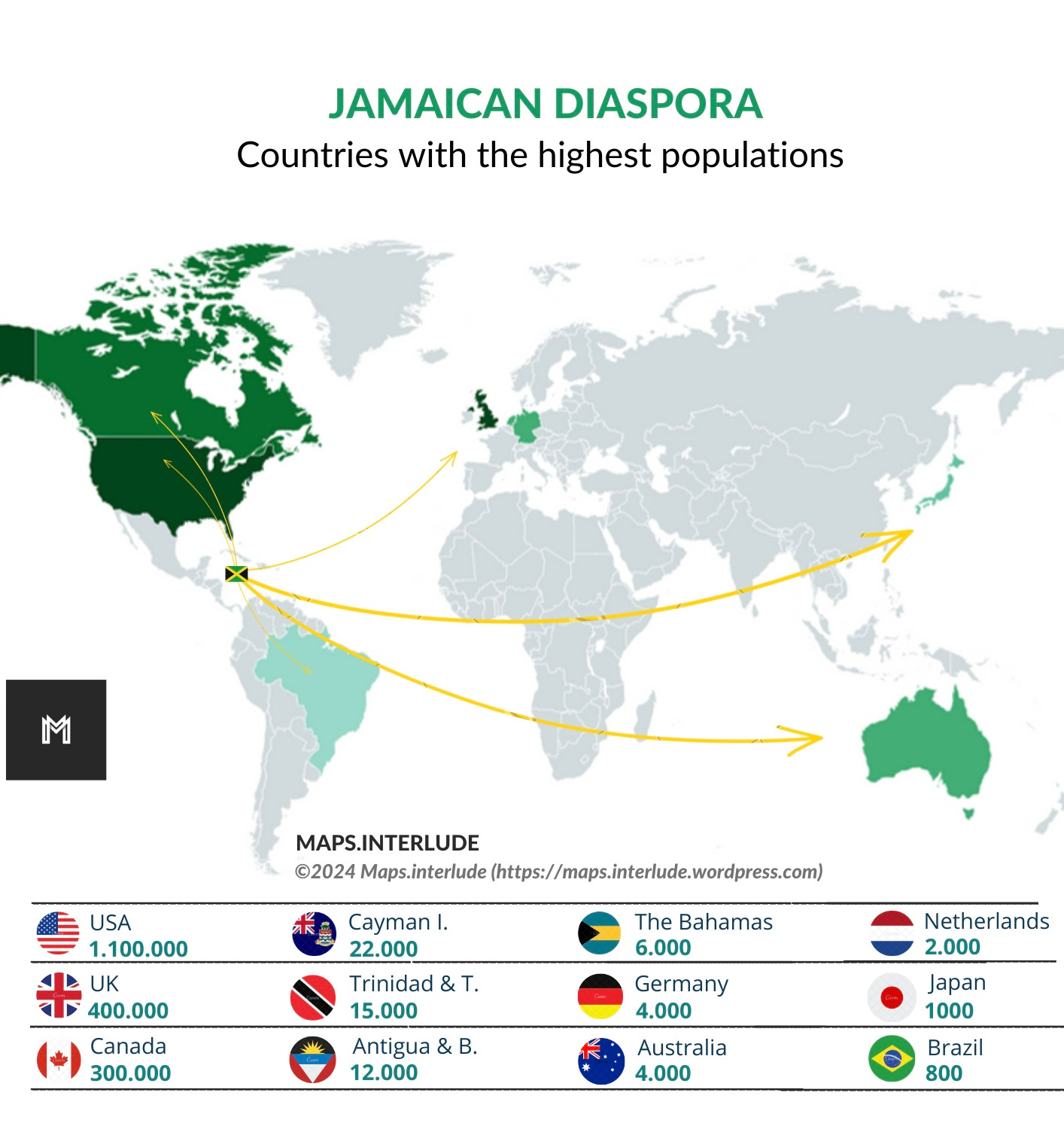
With voting closing tomorrow, attention is turning to the Global Jamaica Diaspora Council, a body designed to represent Jamaicans living abroad.
Black Current News has a significant readership in Jamaica and among those invested in the island’s culture and development.
This explainer sets out how the Council operates and why its elections may matter not only to overseas Jamaicans, but to the country itself.
At the same time, in the United Kingdom, the Council remains relatively unknown and there are concerns about its governance and purpose.
Participation in the election requires prior registration and some diaspora members have told Black Current News they were unaware of the Council - and, in some cases, the elections themselves - and had therefore not registered to vote.
Distance
The limited awareness reflects a broader conversation about diaspora engagement. Some members of the diaspora say they feel more visible in economic terms - through remittances and tourism - than as participants in shaping national decision-making.
That perception of distance has long informed discussions about cohesion between Jamaica and its global communities.
This year’s vote also comes amid growing questions about who ultimately controls the diaspora governance structure, whether it is sufficiently independent from the Jamaican Government and the purpose it serves.
The Jamaica Gleaner recently reported “fierce pushback” from some members of the diaspora in the United States over continued government oversight of the Council.
Outgoing Diaspora Advisory Board member Patrick Beckford has publicly argued that a body meant to represent Jamaicans overseas should not be chaired or structurally directed from Jamaica itself.
In a video statement marking the end of his three-year term as Southern USA representative, Mr Beckford questioned whether “a body meant to represent Jamaicans living abroad can be structurally dependent on the same government it is supposed to advise.”
He described the concept of a Diaspora Council as “powerful”, but warned that without independence, diaspora representation risks becoming political rather than autonomous.
The Ministry of Foreign Affairs and Foreign Trade has not publicly responded to those remarks at the time of publication.
Against that backdrop, registered diaspora members in the United Kingdom, United States and Canada are casting their votes.
Here’s how the Council operates.
What is the Global Jamaica Diaspora Council?
The Global Jamaica Diaspora Council, or GJDC, is an advisory body linked to the Government of Jamaica through the Ministry of Foreign Affairs and Foreign Trade.
It is described as one of the principal organs of Jamaica’s National Diaspora Policy and was endorsed at the 8th Biennial Jamaica Diaspora Conference in Kingston in 2019.
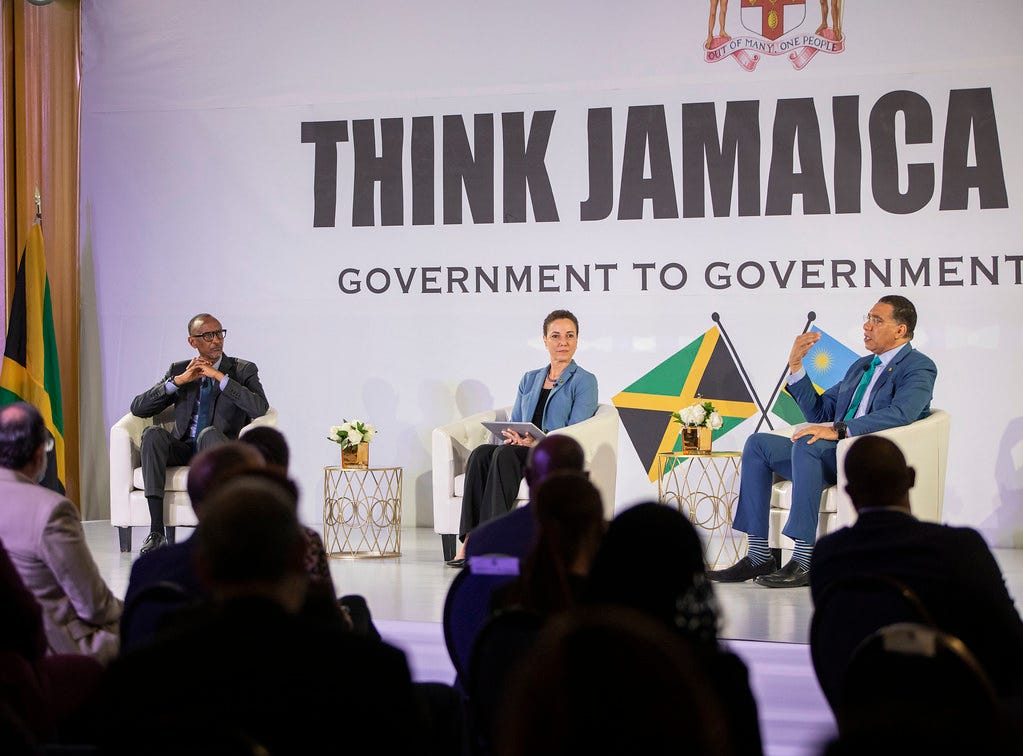
The Council is tasked with strengthening engagement between Jamaicans overseas and those at home, contributing to areas including education, health, agriculture, environment, arts and culture, citizen security and commerce.
Alongside it sits the Global Jamaica Diaspora Youth Council, which aims to increase participation among second, third and fourth generation Jamaicans living overseas.
How do the elections work?
Elections are being held in three major diaspora regions:
• United Kingdom
• United States
• Canada
The Council is chaired by the Minister with responsibility for Diaspora Affairs, with a Vice Chair selected from among its members and administrative support provided by the Ministry.
In the UK, one senior and one youth representative are elected for both the North and South regions. The roles are voluntary and unpaid.
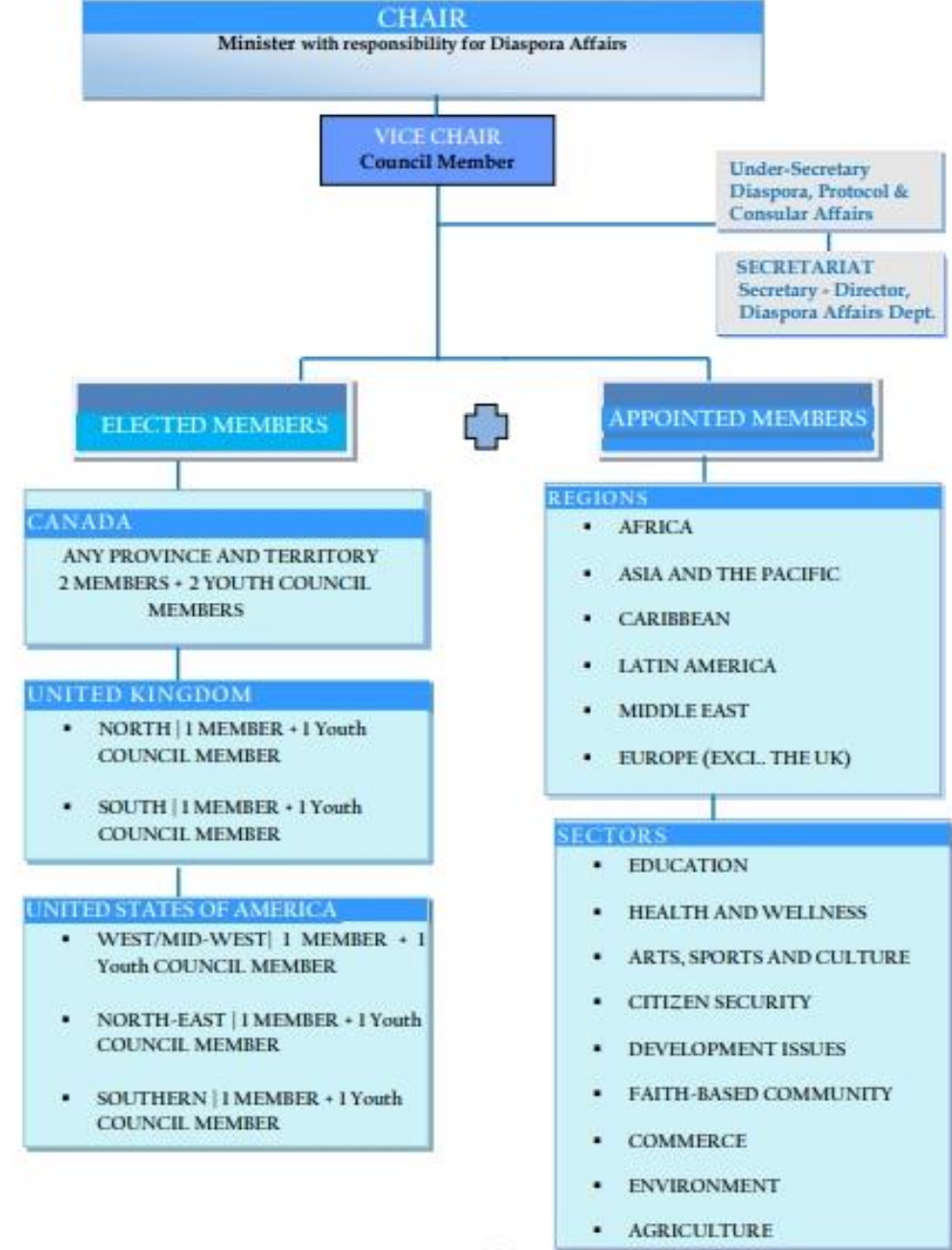
Fourteen members are elected in total, seven for the GJDC and seven for the GJDYC.
These elected members form part of a broader 30-member Council structure that also includes “appointed” regional and sector-based representatives, according to the Jamaican government.
It is not clear how the non-elected representatives are “appointed” and the Jamaican government has been asked about this.
Voting is conducted online via the ConnectMeJA portal and closes tomorrow. The new Council is scheduled to be installed in March.
This is the third cycle of elections since the Council was established.
Who is standing in the UK?
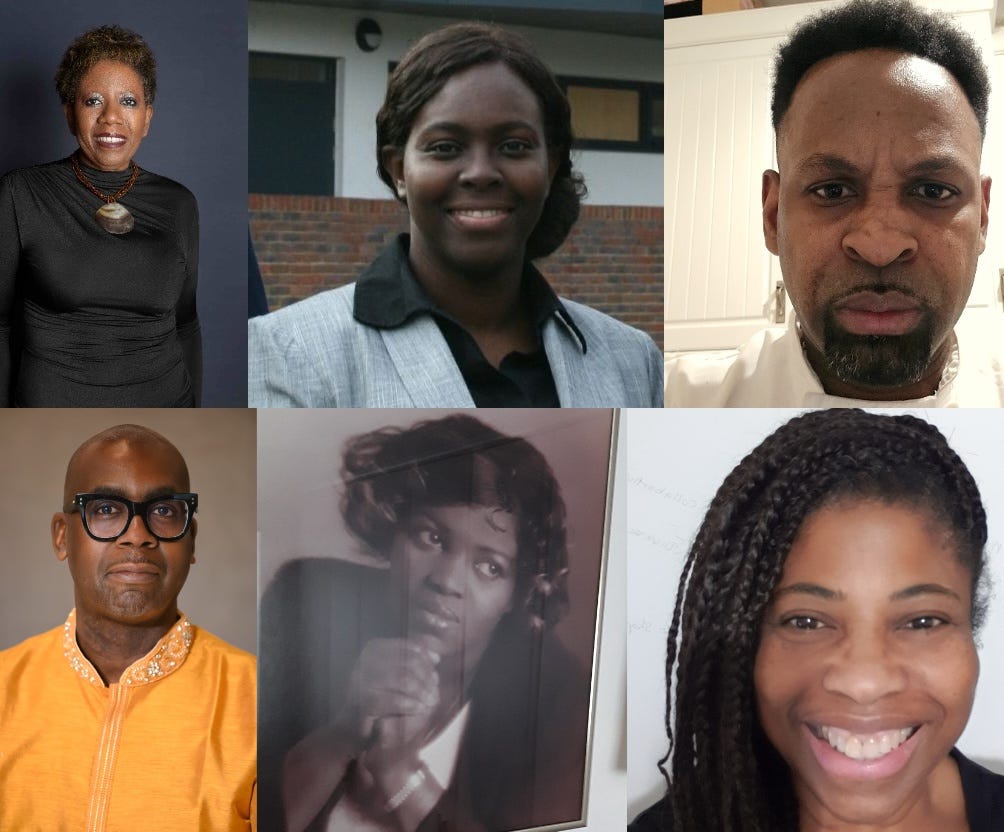
In the United Kingdom, candidates are contesting senior and youth representative positions across the UK South and UK North regions.
Senior representative candidates - GJDC (UK)
Professor Patrick Vernon - UK South
Professor Patrick Vernon OBE is a social justice campaigner and historian widely known for his role in securing National Windrush Day and highlighting the Windrush scandal. A former NHS integrated care board chair and current Pro Chancellor of the University of Wolverhampton, he has worked across health, education and community leadership for more than three decades.
Carol Jumpp-Graham - UK South
Born in Buff Bay, Portland, Carol Jumpp-Graham moved to the UK in 2001 as part of a teacher recruitment drive and now serves as Head of Health and Social Care and Child Development at her school. A National Education Union branch secretary and advocate for overseas-trained Jamaican teachers, she says she hopes to be a strong voice for the wider diaspora if elected.
Dr. Carol Stewart - UK South
Dr Carol Stewart is a health and social care specialist and long-standing community leader with more than 40 years’ experience mobilising African and Caribbean diaspora communities in the UK. Awarded an Honorary Doctorate in 2024 for services to arts, culture and heritage, she says she aims to strengthen Jamaica’s development through diaspora expertise, particularly in health, skills and community partnerships.
Ivis Williams - UK South
Ivis Williams is an accountant and Finance Business Partner at the Royal College of General Practitioners, with over 25 years’ experience across multiple sectors. A former councillor in the Royal Borough of Greenwich, she has held senior scrutiny and finance roles and remains active in community and education governance through trustee and board positions.
Marcus Humphrey - UK North
Marcus Humphrey, from Clarendon, Jamaica, is a Manchester-based entrepreneur who runs a catering business specialising in Jamaican cuisine. He is the sole candidate standing for the UK North representative seat, meaning the position is uncontested in this election cycle. It is unclear why there is only one UK North candidate.
Valerie Rainford Simms - UK South
Valerie Rainford Simms is a Gloucester City Councillor for Moreland Ward and a member of the St Ann Society of Gloucester, where she supports cultural initiatives linking the UK and Jamaica. A daughter of Jamaican parents with close family ties to the island, she says she aims to strengthen partnerships between Jamaica and the UK, particularly through youth, culture and community engagement.
Candidate profiles are available via the official ConnectMeJA portal.
Youth candidates are also standing under the Global Jamaica Diaspora Youth Council in the UK South region: Bliss Cadogan and Abigail Brady Rhoden.
Current UK South Representative Nathaniel Peat is stepping down at the end of this term, as is UK North Representative Dr Kevin Brown.
What has the Council done lately?
Outgoing UK South representative Nathaniel Peat said his tenure included coordinating humanitarian relief, fundraising for flood victims in Jamaica, and co-organising a relief flight that transported 2.9 tonnes of aid to St Elizabeth.
During the Covid-19 pandemic, he brokered partnerships with major food retailers to distribute essential supplies to vulnerable members of the Black community. He also helped mobilise delegates for the 2024 Jamaica Diaspora Conference and supported ministerial and community engagements in the UK.
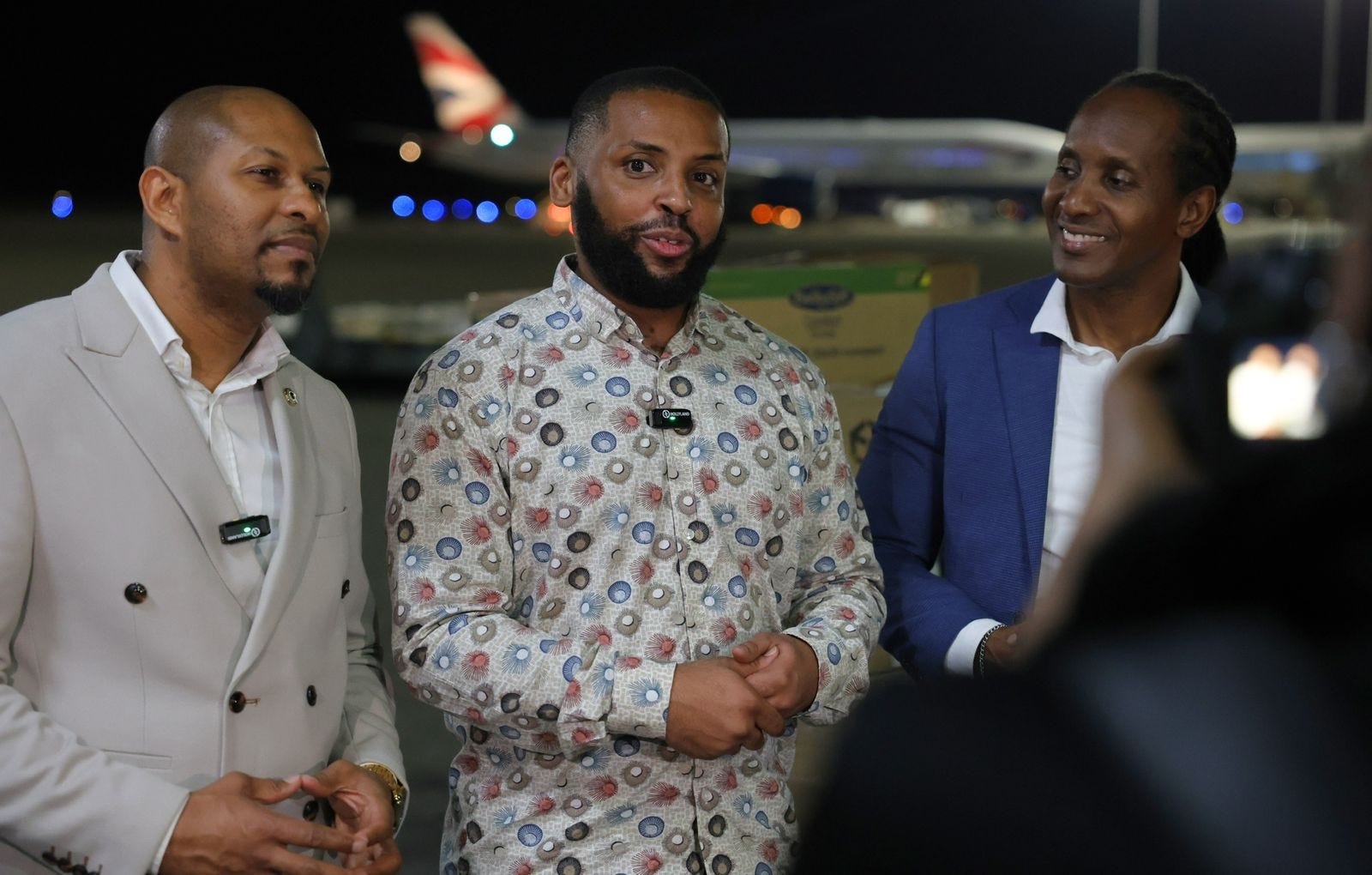
Reflecting on his two terms, Mr Peat said he was proud of “bringing new professionals and investors into diaspora engagement, shifting the focus towards practical contribution and nation-building.”
“This creates a foundation we can now build on, engaging more professionals, investors and leaders, helping them reconnect meaningfully with their roots and heritage in ways that deliver tangible outcomes for Jamaica,” he said.
Mr Peat said the voluntary, unpaid role demanded substantial time and personal financial sacrifice to keep initiatives moving forward.
He went on to acknowledge internal challenges within sections of the diaspora - such as “unhelpful dynamics” and misinformation - while suggesting reforms, including a co-chairing model in which leadership would be shared between a senior diaspora representative and a government minister.
Such a move would strengthen independence while maintaining alignment with national priorities, he argues.
“Ultimately, the success of the role and the Global Jamaica Diaspora Council as a whole will depend on clarity of purpose, strong governance and a commitment to collaboration rooted in service rather than status,” he added.
Why is the Council supposed to matter?
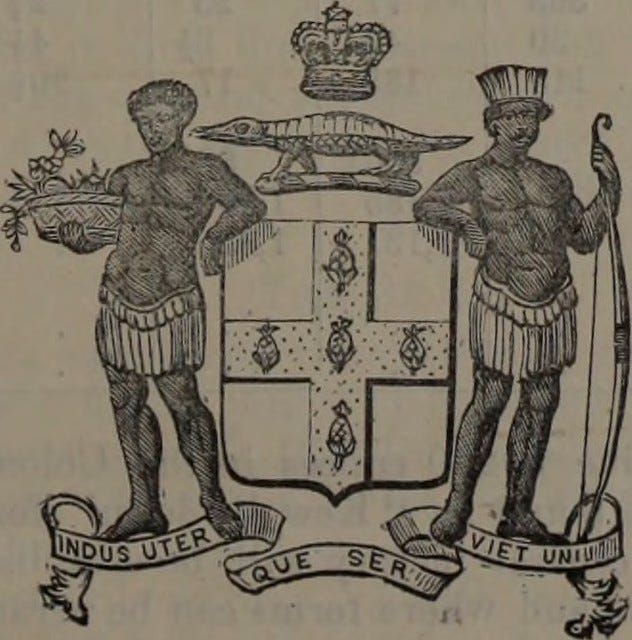
The Council is advisory rather than legislative, but it is geared towards playing a formal role in shaping how the Jamaican government engages with its diaspora on policy and development priorities.
With results due on 24 February, registered diaspora members have limited time left to cast their ballots.
Black Current News has approached the Jamaican Ministry of Foreign Affairs and Foreign Trade for comment.
Got a news tip or story idea? Submit it via this form. Reader feedback and corrections are welcomed separately here.
It cant be a global diaspora if you have eliminated the other continents of Asia, Europe and Africa. Many live in Europe including me in Italy and I wasn't able to vote