

'Cancer care gap': NHS adds gene test to reduce chemo risks for Black patients
A new gene variant has been added to routine testing after gaps in research left some Black patients at higher risk of potentially fatal chemotherapy reactions.
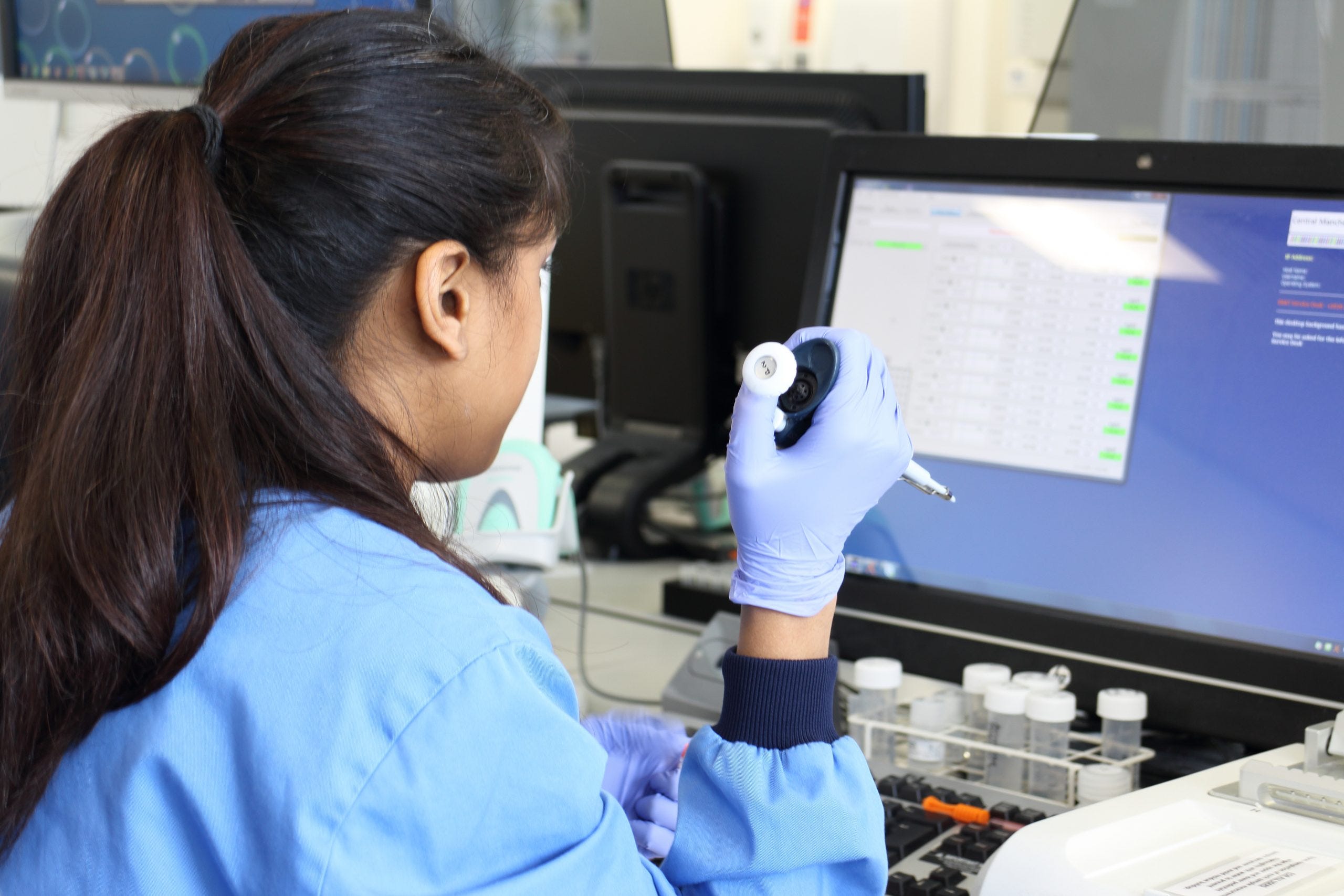
Routine NHS genetic testing for chemotherapy patients has been expanded to include a gene variant more commonly found in Black people.
Experts say the move could help prevent adverse side effects and address longstanding racial disparities in cancer care.
Before undergoing chemotherapy, patients across England are often given genetic tests to help guide treatment and reduce the risk of side effects, which can include fatigue, nausea, hair loss and mouth sores, and in some cases, can be fatal.
Until recently, NHS testing focused on four variants predominantly found in white people, leaving gaps in care for patients from other backgrounds.
As a result, the testing has been less effective for Black patients, leaving them at greater risk of severe and potentially life-threatening side effects after chemotherapy.
Academic GP Dr Veline L’Esperance, senior clinical advisor at the NHS Race and Health Observatory, hailed this development as a significant step in addressing long-standing inequalities in care.
“For too long, the genetic diversity of our patients has been rendered invisible by the very tools designed to protect them,” she said.
“Including this variant is not simply a technical update; it is proof that when we commit to equity at every stage of the pipeline, from the evidence base through to clinical implementation, we can close gaps that should never have existed.
“Patients of African ancestry deserve the same standard of safety as everyone else and now clinicians have the means to deliver it.”

Since the now-expanded test was introduced at Manchester University NHS Foundation Trust’s North West Genomic Laboratory Hub in September 2025, three patients of African ancestry have already had their chemotherapy doses adjusted, reducing their risk of severe toxicity.
The update centres on a fifth variant of the DPYD gene, which affects how the body processes certain chemotherapy drugs.
These drugs are widely used to treat cancers, including breast, colorectal and gastric cancer.
However, a deficiency in the DPD enzyme, linked to DPYD gene variants, can prevent the body from breaking down these drugs properly, leading to severe complications affecting the bone marrow, digestive system and skin.
The test is currently delivered from the Liverpool site of the North West Genomic Laboratory Hub, which provides DPYD genetic testing for more than 450 patients each month across the region.
Up to 40% of the 38,000 patients treated with these drugs in England each year are at risk of adverse reactions, according to NHS data.
These reactions may include neutropenia, severe diarrhoea and vomiting, as well as cardiac and neurological complications, and in some cases, death.
Experts say the lack of diverse genetic data has historically meant that patients from Black and other minority ethnic backgrounds are more likely to be misdiagnosed or receive inappropriate treatment.
In some cases, they may receive false-negative results if testing panels do not include variants more common in their populations.
Professor Habib Naqvi, chief executive of the NHS Race and Health Observatory, said the development highlights both the promise and the gaps within precision medicine.
The new variant is now being rolled out across additional genomic hubs in England, with further research underway to identify and incorporate other overlooked genetic differences.

Clinicians and researchers say the change is a step forward - but not the end of the road.
As Professor Sir Munir Pirmohamed of the University of Liverpool put it, many more variants still need to be evaluated and integrated if genomic medicine is to work equitably for all patients.
Responding to news of the gene testing, Professor Sir Pirmohamed said: “It is important to note that this is the beginning of the journey, rather than the end of journey, as there many other variants in this gene, which need to be evaluated, and implemented into the testing panel.
“This will benefit more patients irrespective of their ethnic background.”
The NHS Race and Health Observatory, an independent body hosted by the NHS Confederation and supported by NHS England, focuses on tackling long-standing inequalities affecting ethnic minority patients and the healthcare workforce.
Its work spans areas including maternity care, sickle cell disease, mental health, digital inclusion, and equity in genomics and precision medicine.
If you value independent journalism that puts Black perspectives front and centre, support Black Current News by subscribing. Got a news tip or story idea? Submit it via this form. Reader feedback and corrections are welcome here.
