

'Create freely': Mýa on independent artistry, industry pressure and protecting your peace in the digital age
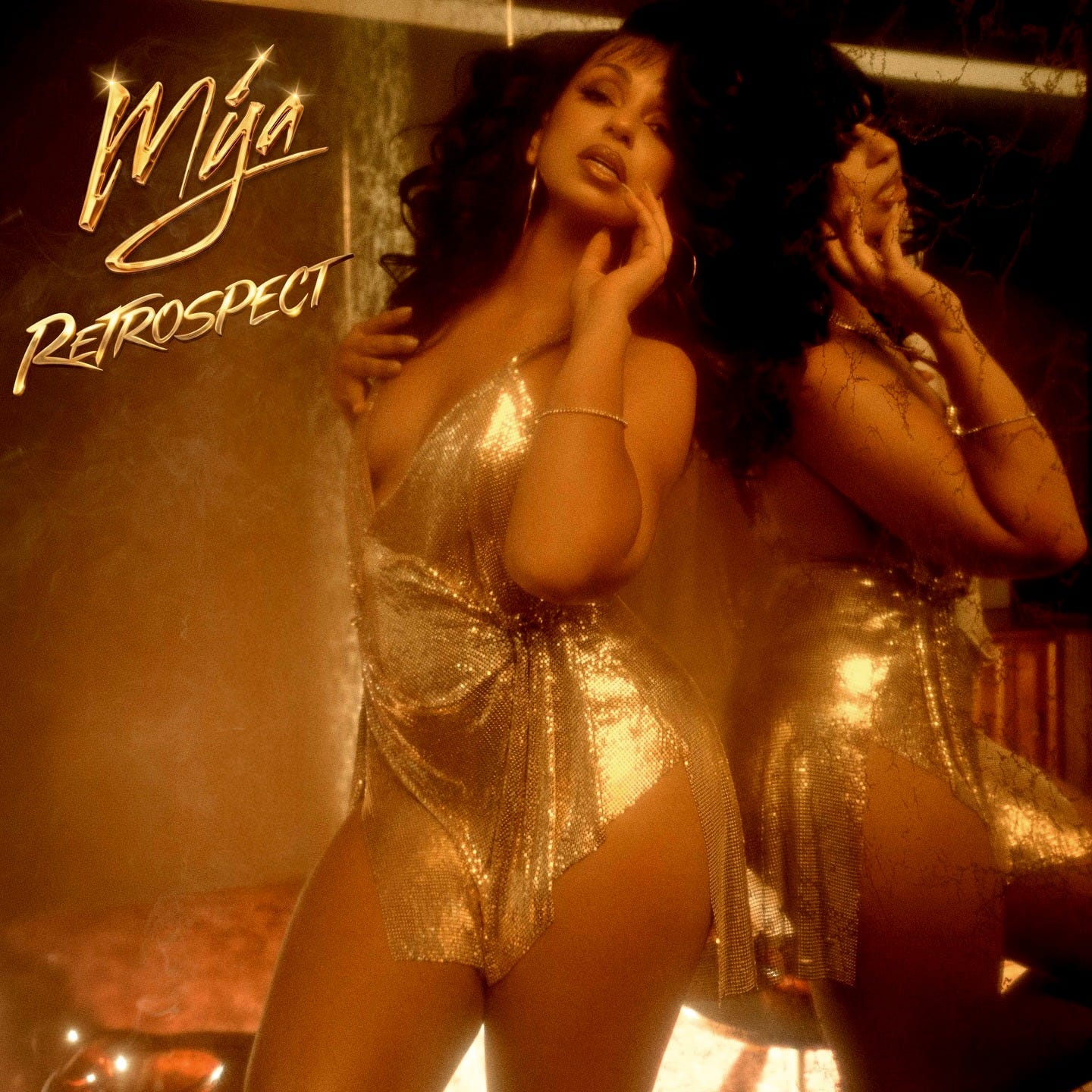
As she releases her 10th studio album Retrospect, Grammy-winning singer Mýa speaks to Black Current News about creative freedom, self-care and 30 years in the industry


For three decades, Mýa has occupied a unique space in music.
The Grammy-winning singer, songwriter and actress emerged at the tail end of the 1990s R&B boom, delivering era-defining hits while building a reputation for artistry, versatility and longevity.
For many millennials, her catalogue formed part of the soundtrack to adolescence: from Ghetto Supastar and Case of the Ex to Best of Me, Take Me There with Blackstreet and Girls Dem Suga with Beenie Man (the Caribbean link-up particularly resonated with many of us from Jamaican and wider Caribbean backgrounds growing up in Britain) - plus her unforgettable contribution to Lady Marmalade, and more.
I still remember hearing Ridin’ for the first time as a teenager during legendary broadcaster Jenny Francis’ late-night Slow Down Zone show on Choice FM, Britain’s first and only Black mainstream radio station. I was about 15 years old and, like my peers, became instantly hooked on the tune.
We weren’t “ridin’” anywhere, of course, unless it was the bus to school. Most of us barely understood heartbreak or betrayal on that level yet, but often mistook infatuation for love and bought into romantic ideals. Life was simpler then, though we probably didn’t appreciate it at the time.
Still, the longing in Mýa’s unusually raspy vocals, paired with that yearning melody, was undeniable.
Released through Universal Motown in 2007, the track was reportedly selected as a single by fans on Mýa’s MySpace page, an early glimpse into the kind of direct artist-audience relationship that has now become central to today’s creative industries.
Now, with the release of her tenth studio album Retrospect, the 46-year-old singer, whose full name is Mýa Marie Harrison, says she has entered another chapter entirely - one rooted in reflection, joy and creative independence.
Released via her own independent label Planet 9 in partnership with Virgin Music Group, Retrospect marks Mýa’s first full-length album in eight years and leans heavily into funk, soul and the Minneapolis sound that shaped much of her musical upbringing.
Born in Washington D.C. and raised in Maryland, the biracial singer grew up in a creative household with her musician father Sherman “Hajji” Harrison and mother Theresa.
Prince’s influence runs through the album, too. Mýa described the late musician as “a master of his craft”, crediting his advice and mentorship with helping shape her approach to performance, storytelling and creating immersive musical experiences.
Beyond the music itself, Mýa spoke candidly about remaining independent in an era dominated by algorithms, content saturation and relentless digital demand.
“As an independent artist, I live in my own bubble and world and create freely,” she said.
“Sometimes journaling turns into poems, and poems turn into songs,” she continued, describing long hours spent experimenting in the studio without corporate oversight or commercial pressure hanging over her head.
That freedom, she says, is invaluable.
“There’s a lot of sanity that comes with knowing what you’re spending, you making choices, and no one else making those choices for any other reason other than it resonating with your spirit,” she said.
Mýa’s reflections resonate far beyond music, particularly as more creatives build direct relationships with audiences outside traditional gatekeepers.
During our interview, parallels were drawn between independent artistry and the growing wave of independent journalism, particularly among Black journalists in both the UK and US - from Don Lemon and Joy Reid to Karen Attiah and Touré - who have left mainstream newsrooms to build their own platforms and brands.
Mýa immediately recognised the connection.
“It takes you investing in you first for people to see and understand,” she said, reflecting on how independent and corporate spaces can coexist.
Still, Mýa is clear-eyed about the pressures that come with independence, particularly for creatives financing their own work.
“The challenge is just getting it out to the world globally, which takes lots and lots and lots of financing and a relentless grind,” she said. “It consumes all of your life and all of your time.”
She also pointed to the exhausting pace of technological change and the pressure to constantly remain visible, or “chronically online”, as some put it.
“There are new platforms that are birthed and there are different means of social media that you have to sign up for, because if not, you may get left in the dust,” Mýa said.
Yet despite those challenges, the artist believes today’s landscape also offers unprecedented opportunities for artists to retain ownership and authenticity.
“It was more dependent upon a label that dictated whether or not you had a shot in this thing,” she reflected of the music industry she entered as a teenager. “Now everything is available to everyone, which is beautiful.”
Mýa also spoke thoughtfully about the emotional consequences of modern digital culture more broadly, arguing that society has lost something important in an age where everything is instantly available.
“I think we all experience, as humans, the loss of anticipation,” she said. “There’s so much of everything that nothing stands out as much as it did.”
The artist warned that endless scrolling and constant consumption are taking a toll on well-being.
“That’s not how our brains in the natural world were designed,” she said.
Much of Retrospect appears to push back against that culture entirely.
Born partly out of the upheaval of the Covid-19 pandemic, Mýa said the album was designed to evoke joy and a more connected era in music culture.
“The pandemic solidified that I definitely wanted to use joy and go in that direction,” she said.
Despite nearly 30 years in the industry, she insists longevity itself was never the goal.
“Longevity was never a goal,” she reflected. “I’m just kind of going through the flow and letting life take me where it takes me, but it’s led with love.”
Perhaps that is precisely why Mýa has endured.
At a moment when audiences increasingly crave authenticity, her insistence on protecting both her creativity and peace feels quietly radical.
Got a news tip or story idea? Submit it via this form. Reader feedback and corrections are welcomed separately here.
