

Make It Make Sense | Scrapping jury trials could hit Black communities harder. Here’s why
Replacing twelve with one could weaken a key safeguard against racial bias

The government wants to limit the use of jury trials in England and Wales, arguing the courts are clogged with delays and dysfunction.
Crown Court backlogs are at record highs, cases are taking years to reach trial and prisons are overcrowded.
Ministers say allowing more cases to be decided by a judge alone, rather than by a judge and jury, will ease pressure, improve efficiency and save £31 million - just 0.2% of the Ministry of Justice’s budget.
But trial by jury is not a modern convenience that can be trimmed without consequence.
Its roots stretch back to Magna Carta in 1215, embedding the right to be judged by one’s peers as a safeguard, albeit imperfect, against unchecked state power.
That principle has mattered in Black British history.
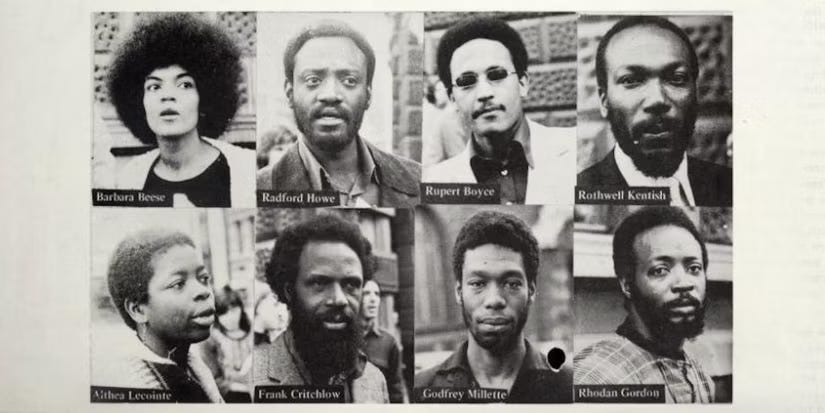
For example, in 1971, nine Black activists - later known as the Mangrove Nine - were put on trial after protesting repeated police raids on a Caribbean restaurant in Notting Hill, West London.
One of them, Darcus Howe, represented himself and invoked Magna Carta, arguing they had the right to be judged by a jury that reflected their community.
The judge refused an all-Black jury, but the defence secured two Black jurors. All nine were acquitted of the most serious charges, and the case marked the first judicial acknowledgement of racial prejudice within the Metropolitan Police.
In recent weeks, our newsroom has been contacted by Black legal professionals and community advocates concerned about the consequences of these proposed changes.
So, how would scrapping jury trials affect Black communities? Let’s make it make sense.
What’s actually being proposed?
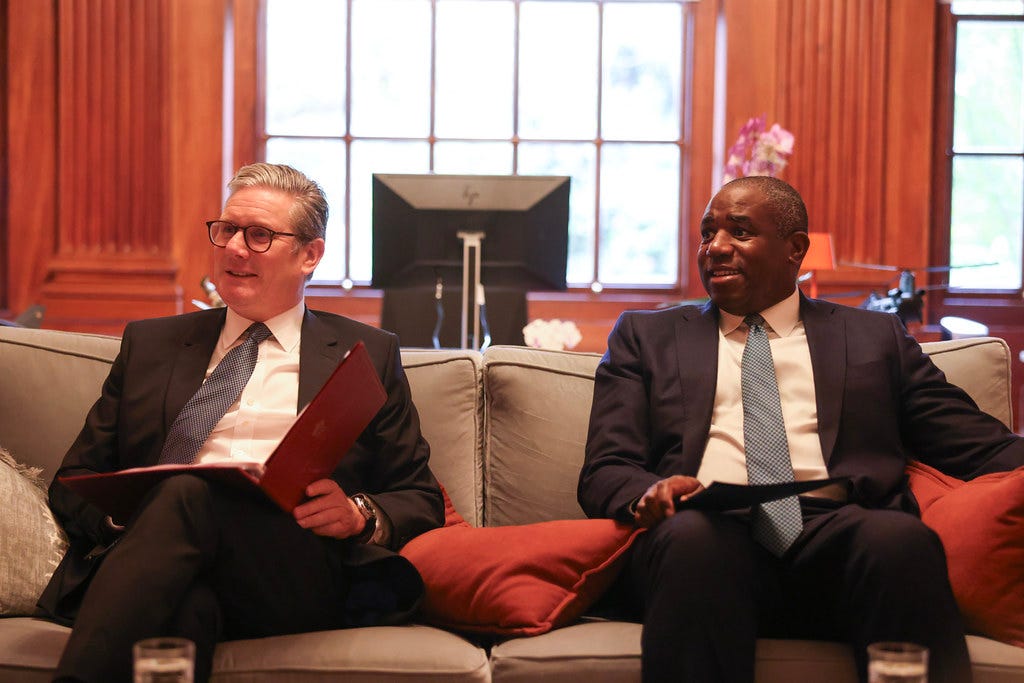
Serious criminal cases in the Crown Court are currently decided by a judge and a jury of 12 members of the public.
Commissioned by the UK government, former senior judge Sir Brian Leveson produced an independent review of the criminal courts in 2025, examining how to tackle mounting backlogs and improve efficiency.
Under proposals linked to that review, more cases could be decided by a judge alone.
Some versions suggest this could even apply retrospectively, meaning defendants who entered the system expecting a jury trial could lose that right mid-proceedings.
That is not a minor procedural tweak; it fundamentally changes who decides guilt.
Leveson’s review proposed a limited expansion of judge-only trials, mainly where defendants requested them or in especially long and complex cases.
Deputy Prime Minister and Justice Secretary David Lammy has gone further, proposing the removal of jury trials for most offences likely to carry sentences of under three years.
Ministers argue that judge-only trials are around 20% quicker and could help reduce the 80,000-case Crown Court backlog.
The Institute for Government has warned that curbing these trials could increase the risk of wrongful convictions and further erode trust in the justice system.
Why juries matter more than people realise
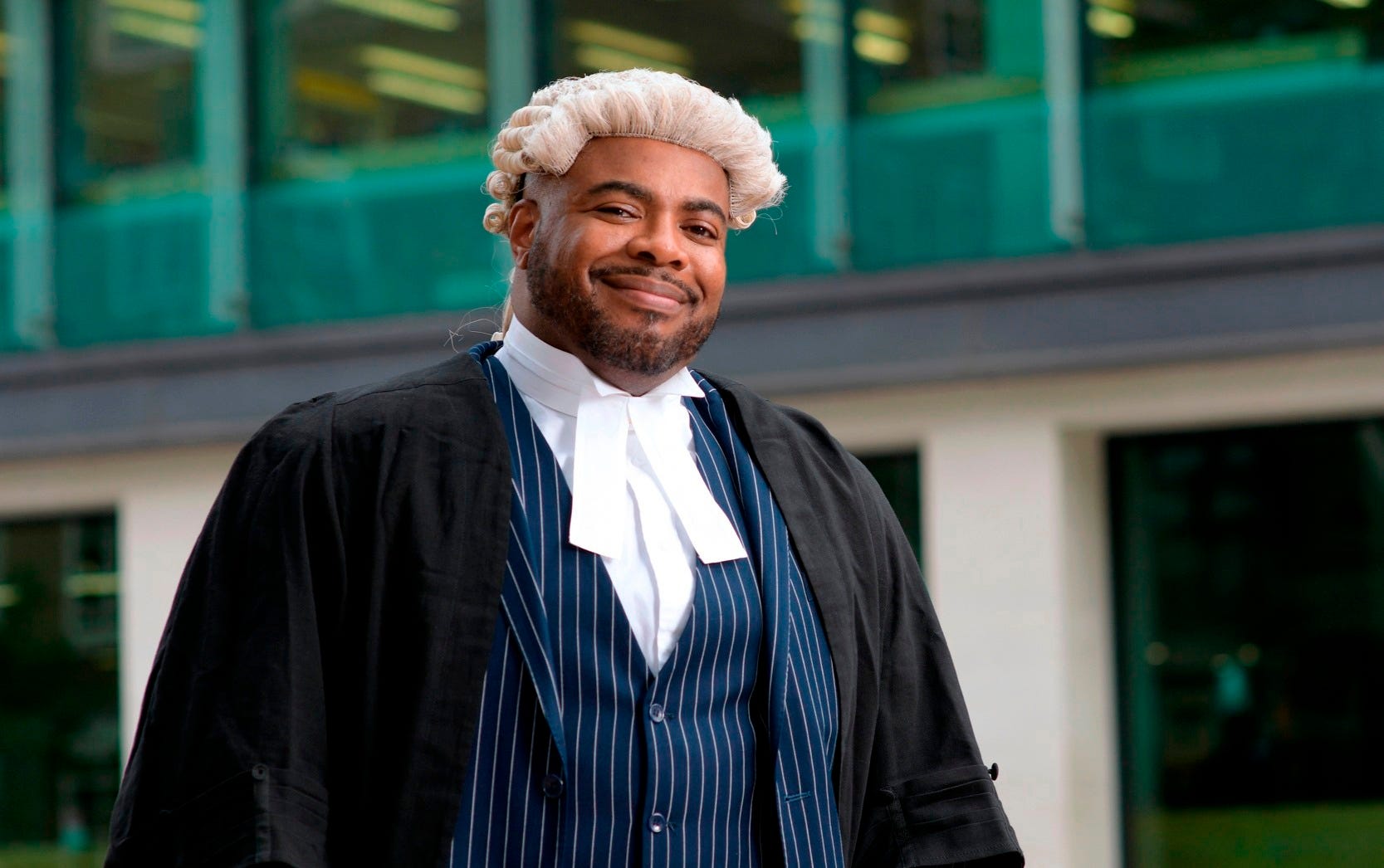
Criminal barrister Mark Robinson understands this in a way most policy papers do not.
Before qualifying as a lawyer, he faced what he describes as a malicious allegation of assault in 2013.
The following year, he represented himself twice at Woolwich Crown Court and secured his own acquittal after a retrial.
The outcome proved pivotal. Later, he was accepted onto the LLB programme at Birkbeck, University of London, and qualified as a barrister in December 2020.
“If it wasn’t for the jury,” Mark tells Black Current News, “I wouldn’t be in this job”.
When his case reached a jury, they acquitted him unanimously in under 90 minutes.
Mark is careful not to accuse judges of racism, adding, “I’m not saying judges are racist”.
His argument is structural, he says. “Twelve people have to justify their reasoning to each other,” the barrister explains. “A single judge doesn’t”.
Juries deliberate together and bring different life experiences into the room.
They are not perfect, Marks says, but collective reasoning can expose and dilute prejudice in a way a single decision-maker cannot.
David Lammy’s own 2017 review into the criminal justice system found that Black defendants were “more likely to obtain acquittals or reductions in charges” as a result of choosing Crown Court jury trials, raising questions about disparities earlier in the process.
The diversity gap in the judiciary
While around 11% of judges across England and Wales are from minority ethnic backgrounds, only about 1% of judges are Black.
That imbalance led to the launch of the UK Association of Black Judges in July 2025. That work remains ongoing, while the system has not yet caught up with the communities it serves.
A 2022 report, Racial Bias and the Bench, found that 95% of surveyed legal professionals believed racial bias influences processes or outcomes in the justice system.
Nearly a third of these professionals said it plays a fundamental role and more than half reported witnessing judges act in a racially biased manner.
In that context, expanding judge-only trials concentrates more power in a part of the system where concerns about bias are already being raised.
Mark further argues that lived experience matters.
“Judges tend to come through quite similar routes. Similar schools, similar universities, similar professional circles,” he says.
“That doesn’t make them bad people,” Mark adds, “but it does mean they may not fully understand the nuances of what’s being put before them.
“If you’ve never had interaction with the police, never been stopped and searched, never known anyone who has, you’re removed from that reality.
“Twelve people bring twelve different perspectives. A single judge brings one; no amount of diversity training can replicate lived experience”.
Of course, juries affect victims too
Jury trials are not only about defendants.
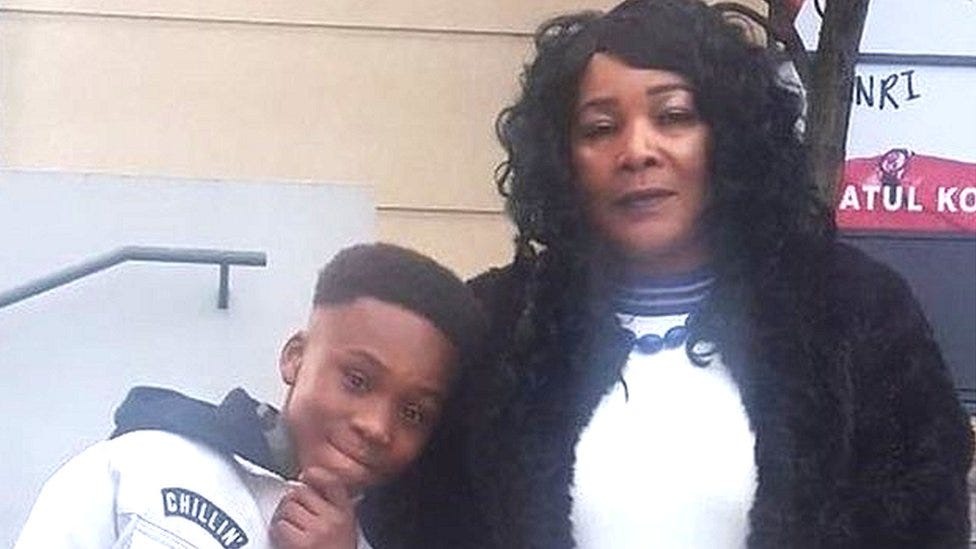
For example, the 2022 killing of Dea-John Reid also brought jury diversity into focus.
The 14-year-old Black boy was chased and fatally stabbed in Birmingham after being racially abused.
At trial, defendants were acquitted of racially aggravated murder, with only the principal offender convicted of manslaughter by a predominantly white jury.
Dea-John’s family questioned whether the absence of any Black jurors affected how he was perceived.
Research shows Black men and boys are often stereotyped as suspects, even when they are victims.
Concerns about jury diversity are ultimately concerns about representation. Replacing twelve citizens with one judge does not eliminate that issue - it narrows public participation entirely.
The retrospective problem
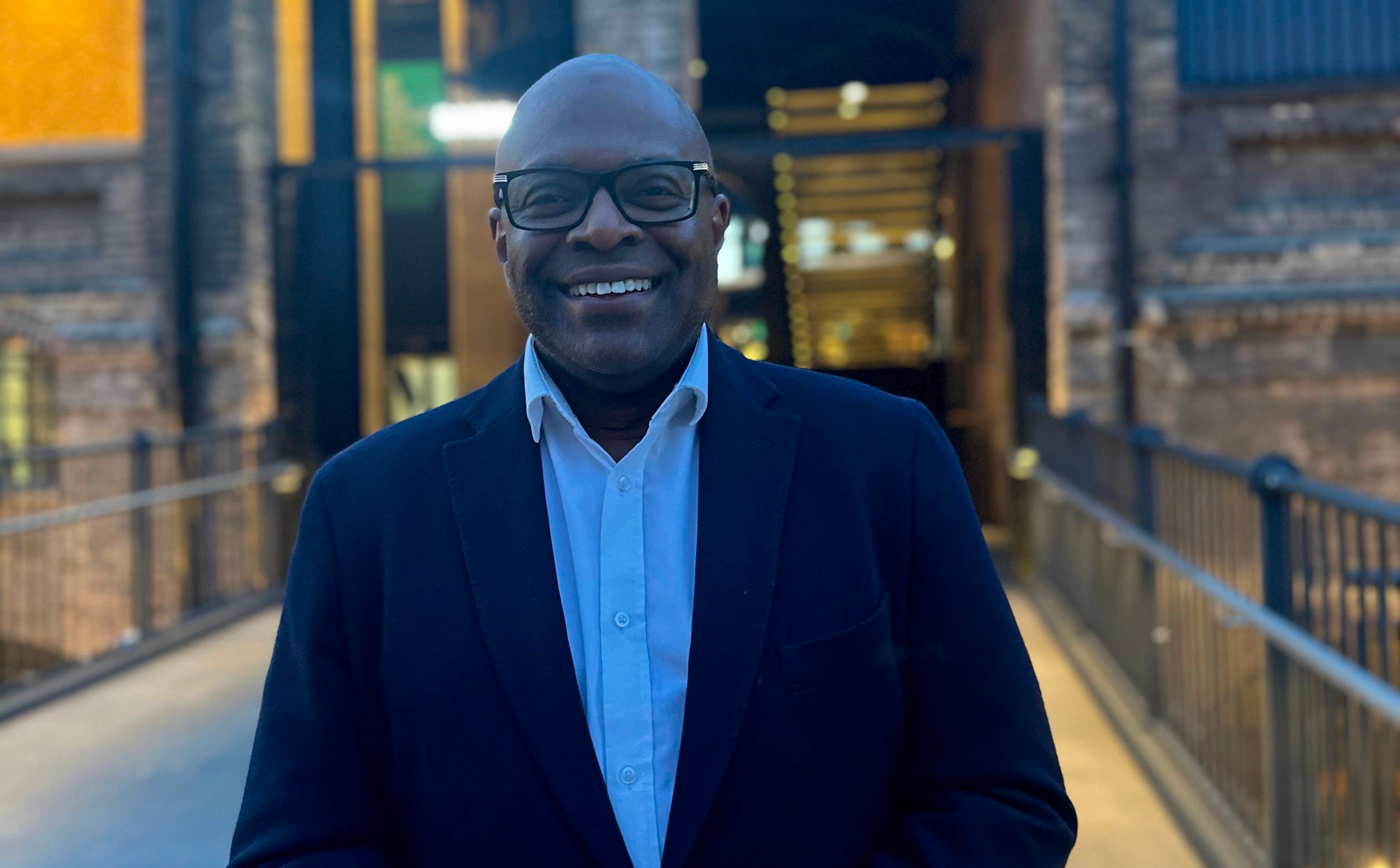
As mentioned earlier, not only is the government planning to roll back jury trials, it aims to do so retrospectively, prompting alarm from organisations such as Operation Black Vote and BARAC UK.
David Weaver, chair of Operation Black Vote, warned that concentrating decision-making power in a single judge, particularly in cases involving potential imprisonment, risks compounding racial disparities and undermining confidence in justice.
Zita Holbourne, chair of BARAC UK, said: “This move will disproportionately affect those who already face structural disadvantage.
“Judges, however conscientious, operate within an institutional culture shaped by daily exposure to police evidence and prosecution narratives”.
The Chair of the Criminal Bar Association described the move as “pulling a rug from beneath the feet of those most vulnerable.”
Changing the rules halfway through proceedings undermines confidence and trust in the criminal justice system is already fragile
Is this really about efficiency?
Ministers say the system is broken and something has to give.
Many legal professionals argue the backlog stems from funding cuts, reduced court sitting days and administrative inefficiencies, not juries.
“When the courts were sitting at maximum capacity, the backlog was coming down,” Mark says.
In other words, when courts were properly resourced and allowed to operate at full capacity, they were clearing cases faster than they were building up.
Scrapping juries may save time, but it does not fix structural underinvestment.
In that framing, scrapping juries risks treating a symptom rather than the cause, which affects everyone including Black communities.
So what’s really at stake?
Black communities are already disproportionately stopped, charged, remanded and imprisoned.
Jury trials do not, in themselves, solve systemic racism. However, evidence suggests they are one of the few stages in the system that can mitigate disparity.
They introduce collective deliberation, diverse lived experience, transparency in reasoning and community oversight of state power.
In removing that, decision-making becomes more concentrated.
Public opinion also points in the opposite direction.
A 2024 survey by researchers at the University of Birmingham found that 75% of respondents believed the UK should retain jury trials.
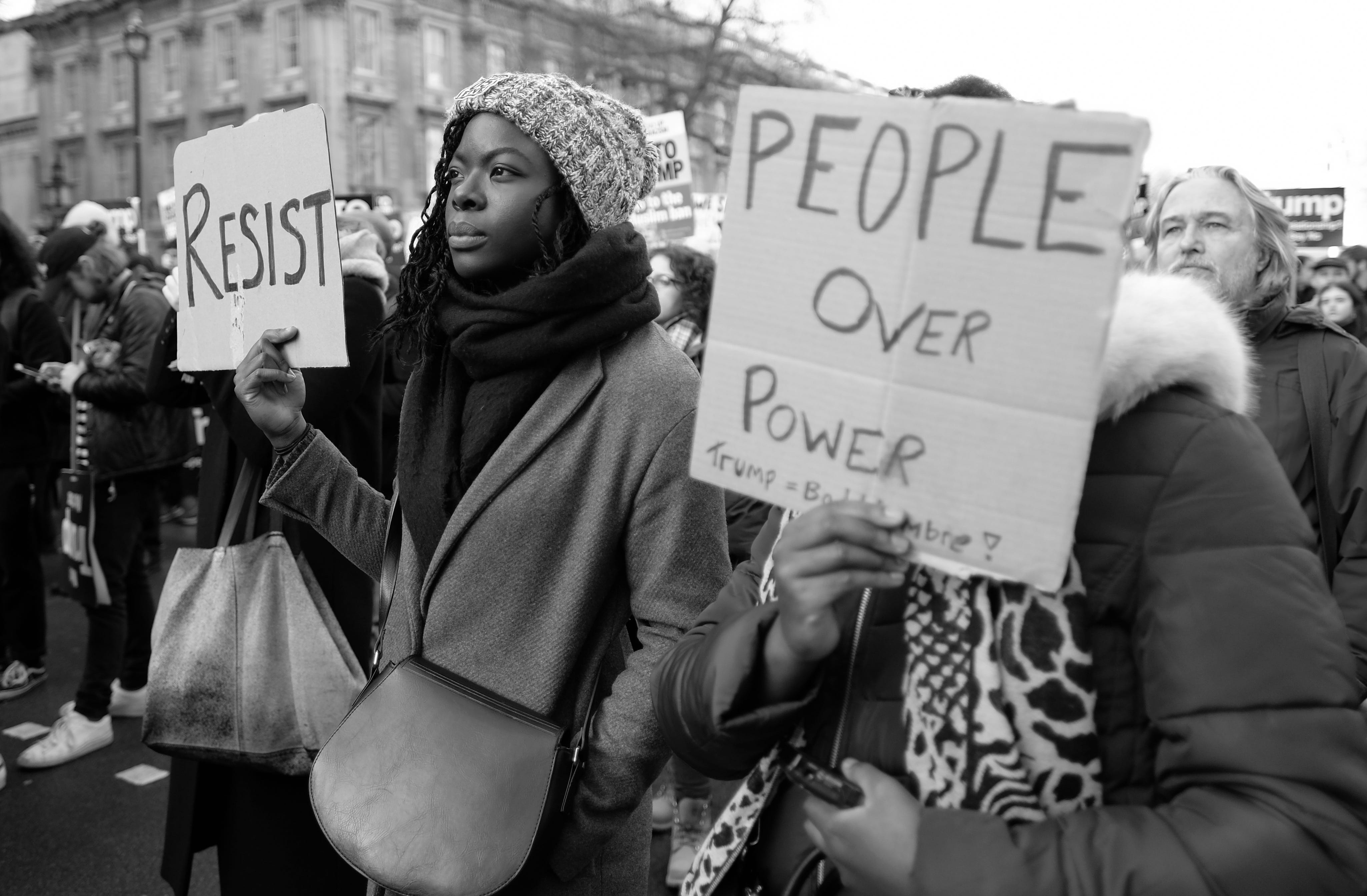
For many people within Black communities, the question is simple:
If one of the only points in the system that appears to reduce disparity is weakened, what replaces it?
These reforms are expected to be implemented by 2028 under the proposed Courts and Tribunals Bill.
Black Current News has reviewed the government’s Equalities Impact Assessment in relation to this Bill.
It does not meaningfully examine how the reforms may interact with racial disparities already present in the criminal justice system.
The Ministry of Justice has been approached for comment.
‘Make It Make Sense’ is Black Current News’ explainer and analysis strand. It unpacks the issues shaping Black communities, cutting through noise and centring facts.
Got a news tip or story idea? Submit it via this form. Reader feedback and corrections are welcomed separately here.
Thank you for this very relevant article, Nadine. What you state here is of great importance: "Its roots stretch back to Magna Carta in 1215, embedding the right to be judged by one’s peers" - this is a Constitutional right which politicians are not entitled to suppress.