

Inside the fight to reopen the Royal London’s specialist sickle cell unit
An FOI document reveals that no equality impact assessment was carried out before the service ended
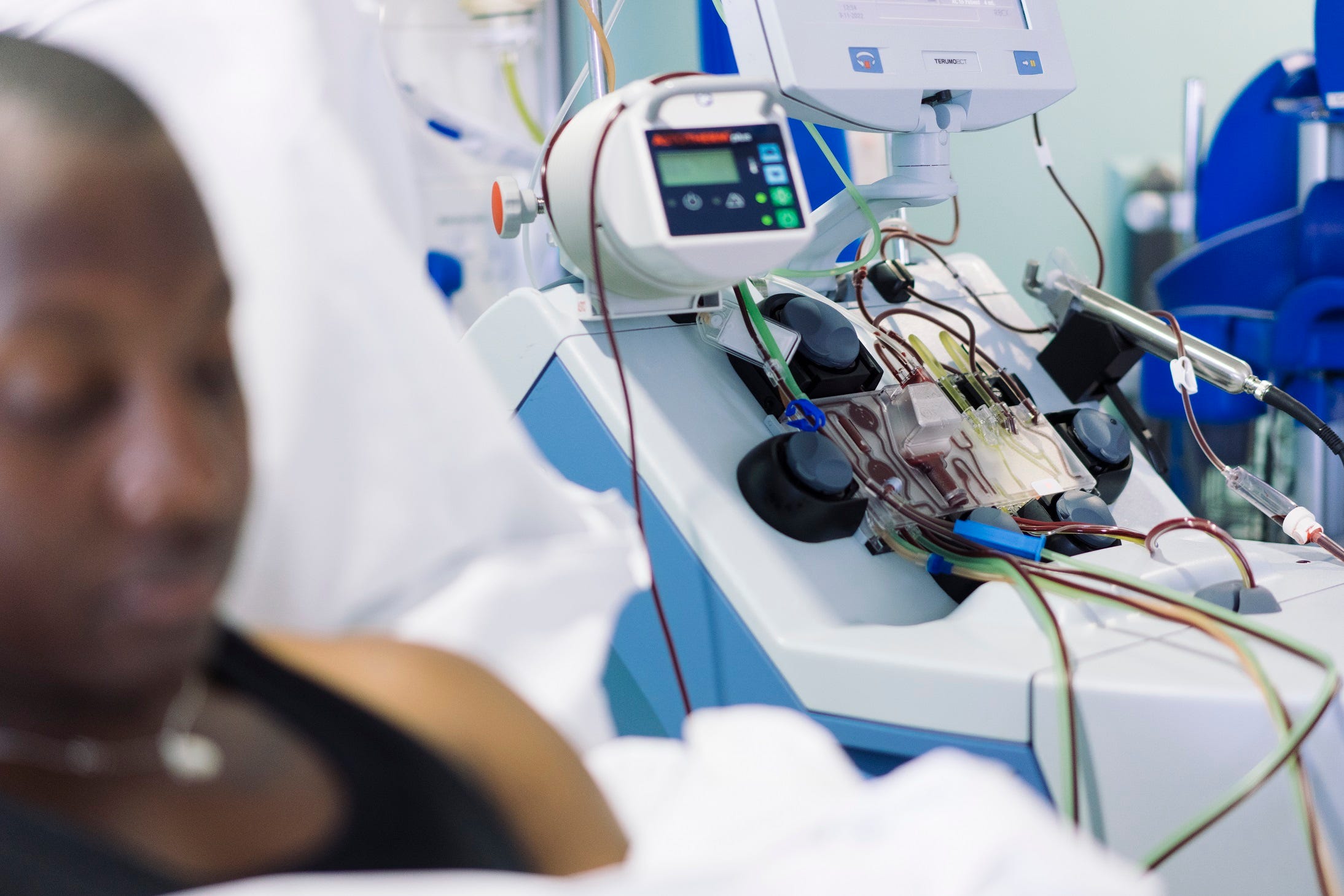
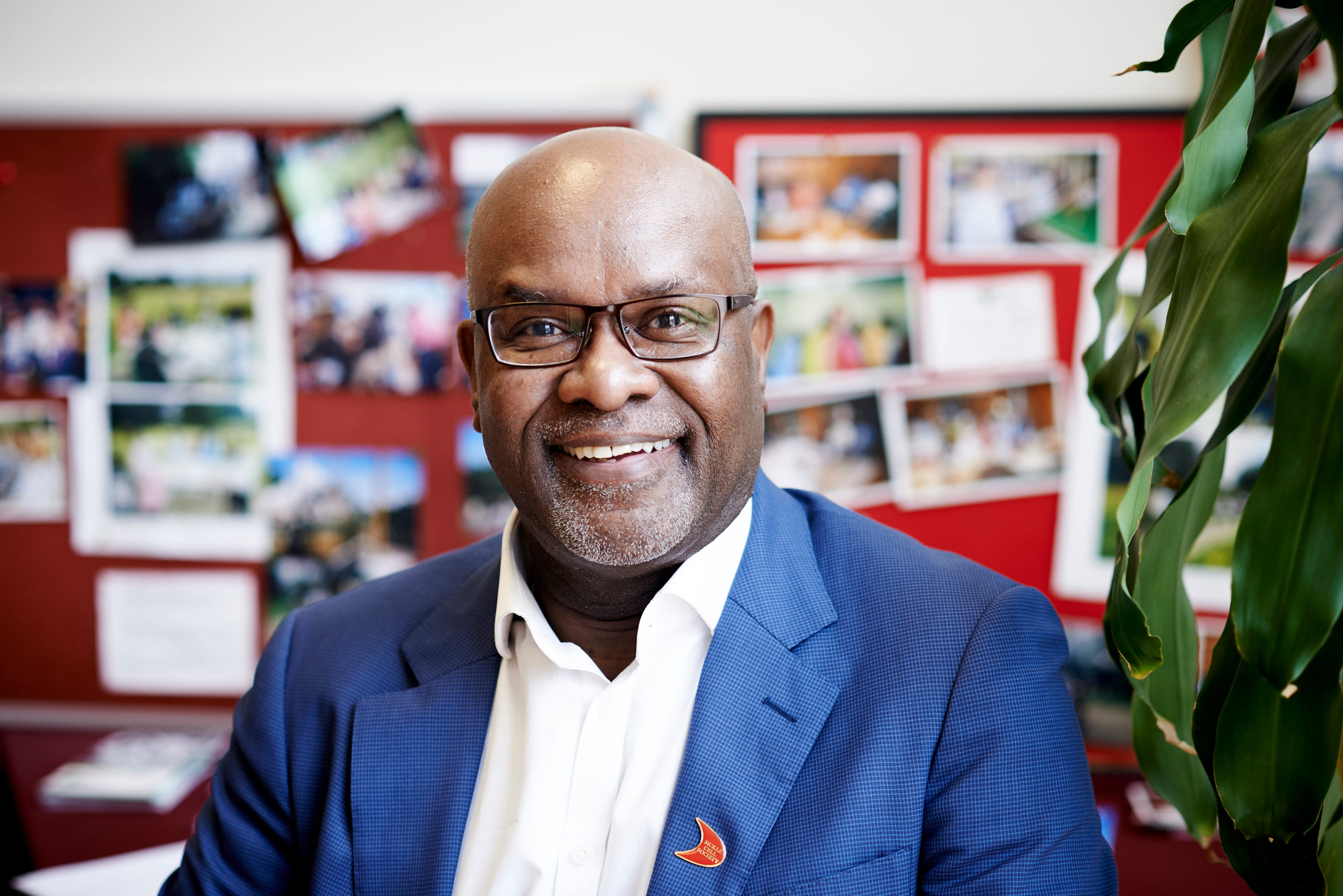
The Royal London Hospital’s specialist emergency unit for sickle cell patients is set to reopen following sustained community pressure and discussions with commissioners, the Sickle Cell Society has said.
Further details about the reopening have yet to be confirmed, but the announcement from the charity, made last Tuesday (3 March), has been welcomed by patients and campaigners.
Weeks before this positive update, documents obtained through a Freedom of Information request raised further questions about how the East London service was allowed to close in the first place.
On 7 January, Black Current News was the first news outlet to highlight the unit’s impending closure, amplifying concerns from patients and advocates about the impact on people experiencing sickle cell crises. Media platforms, including ITV News, Hyphen Online and BBC also reported on the campaign.
The unit opened on 5 September 2025 as a pilot service but closed on 30 January 2026, despite the campaign, news coverage and reports that it had made a positive impact on the lives of many patients.
In response to a Freedom of Information request submitted on 22 January, Barts Health NHS Trust confirmed on 17 February that no Equality Impact Assessment had been undertaken ahead of the decision to close the service.
The Trust said the unit had been established as a time-limited initiative funded through a one-off underspend and that its closure followed the expiry of that funding.
It added that the pilot’s end meant “there will be no change to baseline clinical provision requiring a separate clinical risk or service impact assessment.”
The Trust also said equality considerations had been addressed through “project and service governance”, though it did not provide details about how extensive that process was, and it has not responded to requests for comment.
Under the Public Sector Equality Duty, NHS bodies must have due regard to how their decisions affect people with protected characteristics, including race.
Speaking to this platform before the reopening of the unit was announced, John James, chief executive of the Sickle Cell Society, said the charity had supported the establishment of the pilot as part of wider efforts to improve emergency care for sickle cell patients, but expected equality considerations to remain central to decisions affecting the service.
“Given that sickle cell predominantly affects people from Black and minority ethnic communities, we would expect equality considerations to be central to any decision involving the establishment, continuation or closure of this type of service,” he said.
Mr James said the NHS often introduces new services through time-limited pilots before considering long-term funding and that the Royal London unit had been created within that framework.
However, he said the strong reaction to its closure reflected longstanding concerns about inequalities in sickle cell care.
He added that withdrawing services introduced to address inequalities could reinforce perceptions that conditions predominantly affecting Black communities are not prioritised within the NHS.
When closing the unit, the Trust stated that existing emergency department (A&E) pathways would remain in place.
However, many sickle cell patients report substandard care within A&E settings, where acute pain crises are sometimes dismissed or mismanaged.
Research such as the No One’s Listening report (2021) has highlighted delayed pain relief, disbelief of patients’ pain and experiences of racial bias in treatment.
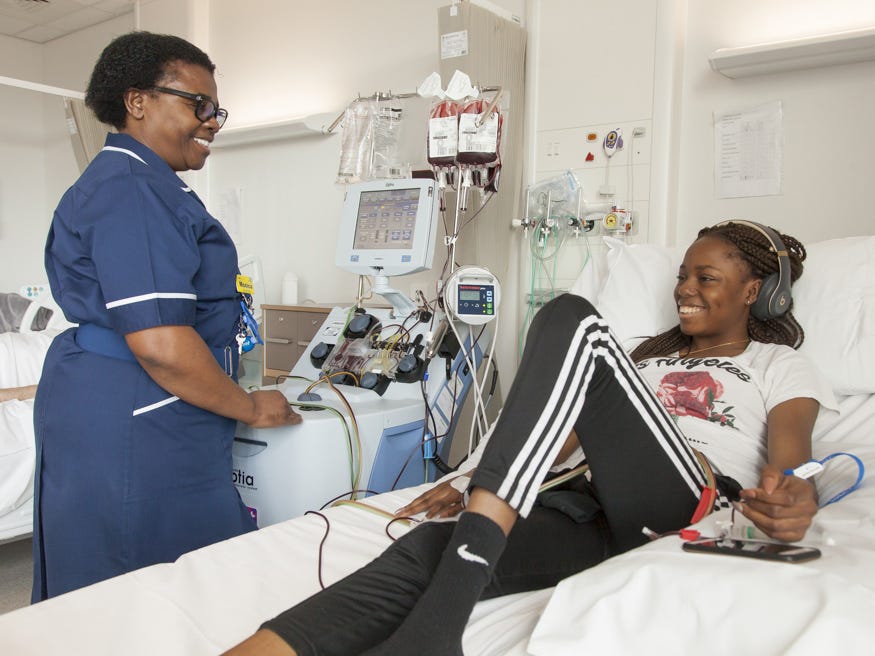
The emergency care unit, based in Whitechapel, East London, was launched as a specialist frontline service to support people living with sickle cell disease and was equipped to provide rapid emergency care from clinicians with specialist expertise.
A 2022 study by Global Blood Therapeutics found that only half of healthcare professionals felt they had the tools needed to manage the long-term complications associated with sickle cell disease.
The following year, a damning report, The Difference Between Life and Death, warned that patients were being put at risk due to a “chronic shortage” of specialist nurses.
Sickle cell is the fastest-growing genetic condition in the UK and disproportionately affects people of Black African and Caribbean heritage.
According to Barts Health NHS Trust, the specialist unit was established as a time-limited pilot funded through a one-off underspend within the Sickle Cell Transformation Programme after the North East London Integrated Care Board was unsuccessful in securing national emergency department bypass funding.
For patients, though, the consequences of its closure were immediate.
Delo Biye, 48, regularly travelled across London to access the care there, describing it as “a place of safety during the pain”.
Two days after the unit closed, Mr Biye said he was forced to attend A&E during a sickle cell crisis and spent hours waiting for treatment.
“Two days after the closure, I had to go to A&E. I was there for 24 hours and didn’t make it to the ward,” he said.
“I spent 12 painful hours on the blue chairs. The nurses did their best, but they couldn’t get the treatment to me on time. They tried as hard as they could, but they are overloaded.”
National guidance advises that a sickle cell crisis should be treated as an acute medical emergency
Reacting to the Trust’s admission that no Equality Impact Assessment was conducted, Labour MP Bell Ribeiro-Addy said the decision raised serious concerns.
“Closing this unit without an equality impact assessment is not an oversight, it is a shameful pattern of disregard for those affected by sickle cell, the majority of whom are Black,” she told Black Current News.
“The unit’s implementation on a trial basis does not exempt the hospital from its legal duty.”

She described the reopening as “a testament to the strength of campaigners and the community” but added that patients “shouldn’t have to” fight for equitable care.
The Labour MP said the next step must be a national strategy for specialised sickle cell treatment.
The African Caribbean Leukaemia Trust (ACLT) said patients had been forced back into “overstretched A&E departments” following the January closure, with reports of “excruciating waits, delayed pain relief, and treatment in corridor spaces”.
The ACLT has been campaigning behind the scenes alongside patients and clinicians. A petition launched by Mr Biye reached more than 44,000 signatures.
“This reopening is a testament to collective action,” the charity said.
“While this is a significant step forward, our work is not done. Specialist sickle cell care must not depend on short-term pilots.
“We will continue calling for long-term, properly funded services that protect patients and deliver equitable care.”
Addressing the circumstances leading up to Barts Health NHS Trust’s reported decision to reopen the centre, the Sickle Cell Society said that funding has now been identified to allow the service to resume.
However, the charity noted that the service may return in a revised form and could operate under a different name as NHS partners finalise the operational model.
In a separate statement, the Trust said work was underway to develop alternative treatment pathways for sickle cell patients experiencing crisis, but did not explicitly state that the same specialist unit would reopen in its previous form.
The society said the pilot had demonstrated “clear positive outcomes for both patients and clinical teams”, reinforcing the importance of specialist crisis pathways.
“We welcome the agreement to reopen the same-day emergency unit at The Royal London,” the charity said in a statement.
“Patients and families consistently highlighted the value of the service and their experiences have been central to our discussions with commissioners.”
Mr Biye described the news as “phenomenal” and said he felt “ecstatic”.
“This is fantastic. This is what we’ve been fighting for,” he told Black Current News.
But his relief was tempered with caution.
“I’m still fearful,” he added, saying he wants confirmation that the service will reopen permanently and be implemented without delay.
“Is this what we have to do every time when there’s an injustice? Is this how hard we have to fight?”
When the reopening was announced, he said a friend was still waiting in A&E during a sickle cell crisis.
“She’s there right now crying,” Mr Biye explained.
“This is a joyful day. But they took their time about it.”
While the reinstatement will be welcomed, questions remain about whether the service will now be secured on a permanent, properly resourced footing, and whether formal equality analysis will form part of future decision-making.
For many in the sickle cell community, the episode reinforces a broader concern: that services addressing conditions which disproportionately affect Black patients are too often introduced as short-term pilots rather than embedded as core NHS provision.
Got a news tip or story idea? Submit it via this form. Reader feedback and corrections are welcomed separately here.
