

Exclusive | Great Ormond Street Hospital cleaners win landmark racial discrimination ruling
Tribunal finds Black cleaners were kept on worse pay and conditions than other NHS staff
Not one, not two, but 80 cleaners at Great Ormond Street Hospital have won a landmark legal case after the Employment Appeal Tribunal ruled they were subjected to indirect racial discrimination over pay and working conditions.
In a judgement seen by Black Current News, the tribunal upheld the appeal in relation to the period after the workers were brought into direct NHS employment, finding they were kept on inferior terms despite carrying out work assessed as equivalent to NHS Band 2 roles.
Most of the cleaners are from Black and Asian backgrounds. They brought the case after years of being paid less and denied key NHS benefits, including sick pay, enhanced overtime rates and access to the NHS pension scheme.
The workers were represented by employment law firm Leigh Day.
“This is a long-overdue victory for a group of workers who have been treated as second-class staff for far too long,” said Aman Thakar, an employment solicitor at the firm.
“Our clients have shown extraordinary resilience and determination in pursuing this case, and this outcome brings them one step closer to justice and equality.”
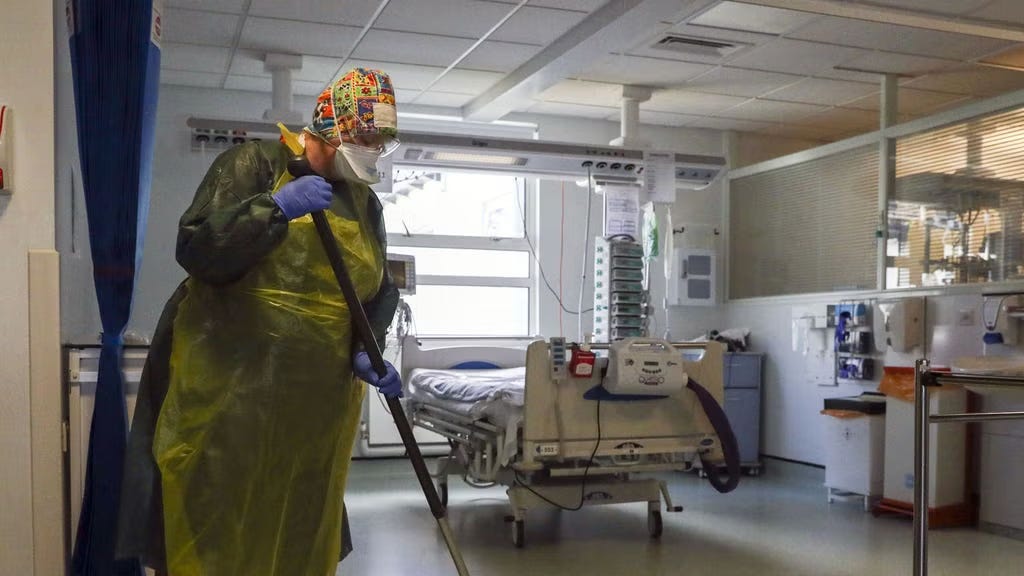
Kept on worse terms after transfer
Between August 2016 and July 2021, the cleaners were employed by private contractor OCS Group, which held the cleaning contract at the hospital.
During that period, they were paid less and had poorer terms than staff directly employed by the trust under the nationally agreed Agenda for Change framework.
In August 2021, their employment transferred to Great Ormond Street Hospital NHS Foundation Trust under TUPE regulations.
For those of you who don’t know what TUPE is: it is a legal process that protects workers when jobs move between employers, meaning the cleaners were transferred from a private contractor into direct NHS employment.
However, the tribunal found that after the transfer, the cleaners were not immediately placed on full Agenda for Change terms and continued to experience inferior pay and conditions.
Judges concluded the trust could have placed the cleaners on NHS terms from the point of transfer, or shortly afterwards, and rejected arguments that the disparity in treatment was justified.
The ruling also accepted evidence of a clear racial disparity between the cleaners and the wider NHS workforce, placing the group at a particular disadvantage.
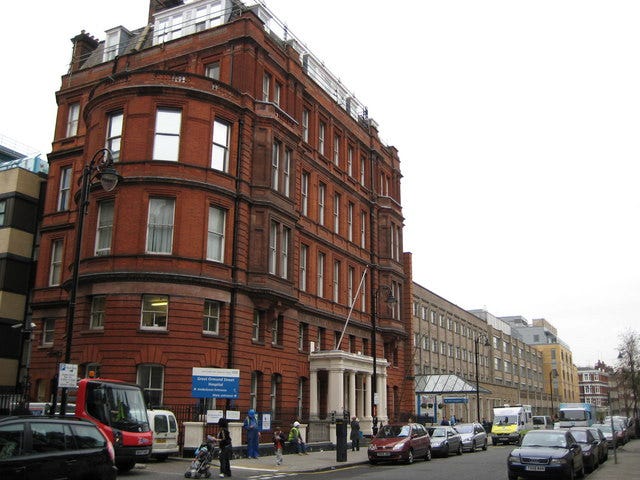
“Second-class”
The cleaners are members of United Voices of the World which said the judgement could have implications far beyond one hospital.
Petros Elia, the union’s general secretary, described the ruling as a significant moment for outsourced and in-housed NHS workers across the country.
“This is a historic rupture in the systemic injustice that has plagued the NHS for decades,” he said.
“For too long, thousands of predominantly Black, Brown and migrant facilities workers - the cleaners, porters, caterers and security staff - have been treated as second-class citizens and paid third-class wages, whether outsourced or in-housed - despite being the backbone of our health service.
“The message to every NHS trust is clear: the era of two-tier workforces is over.”
The Employment Appeal Tribunal’s decision is expected to raise wider questions about outsourcing, in-housing and pay rates across the NHS, particularly where lower-paid workforces are disproportionately made up of Black and migrant workers.
For the cleaners involved, the ruling represents a significant step forward after years of legal action in pursuit of equal treatment within one of the country’s most high-profile NHS institutions.
Got a news tip or story idea? Submit it via this form. Reader feedback and corrections are welcomed separately here.