


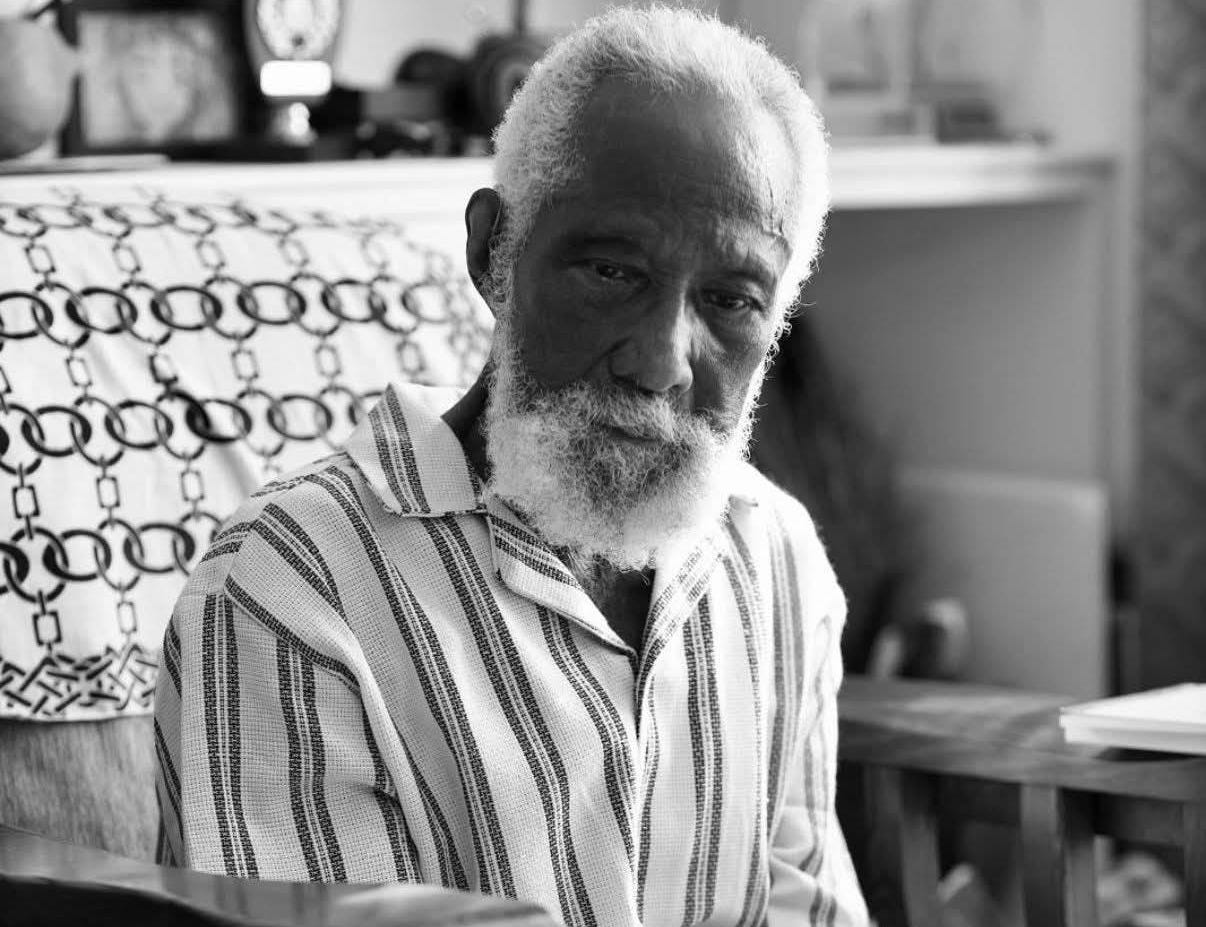
Eric Huntley has died aged 96, prompting tributes from across Britain’s literary, academic and activist communities.
The news was announced on Wednesday 21 January.
Alongside his late wife Jessica Huntley, who died in 2013, Mr Huntley helped build the intellectual and cultural infrastructure that sustained Black Britain through decades of marginalisation and resistance, most notably through their work in Black-owned publishing and bookselling.
Their work was driven by a conviction that access to knowledge was both political and essential, particularly at a time when Black voices were systematically excluded from mainstream publishing.
Daniella Blechner, founder of Conscious Dreams Publishing, described Mr Huntley as “an absolute legend”, crediting him and Mrs Huntley with paving the way for Black authors, publishers and booksellers.
“We really are standing on the shoulders of giants,” she said.
Professor Patrick Vernon said Mr Huntley had “joined the ancestors” and been reunited with his wife, adding that their legacy of love, strength and commitment would continue to guide future generations.
Author and activist Ishmahil Blagrove described the Huntleys as part of the “royal family of Black British literature” and “an integral part of the intellectual command structure of Black resistance within the British struggle”.
Jacqueline McKenzie, partner and head of immigration and asylum at Leigh Day, recalled Mr Huntley’s continued engagement well into his nineties.
“It'll be hard to forget Eric,” Ms McKenzie added. “May he now rest peacefully whilst future generations benefit from a stoic and important collection of works he leaves behind”.
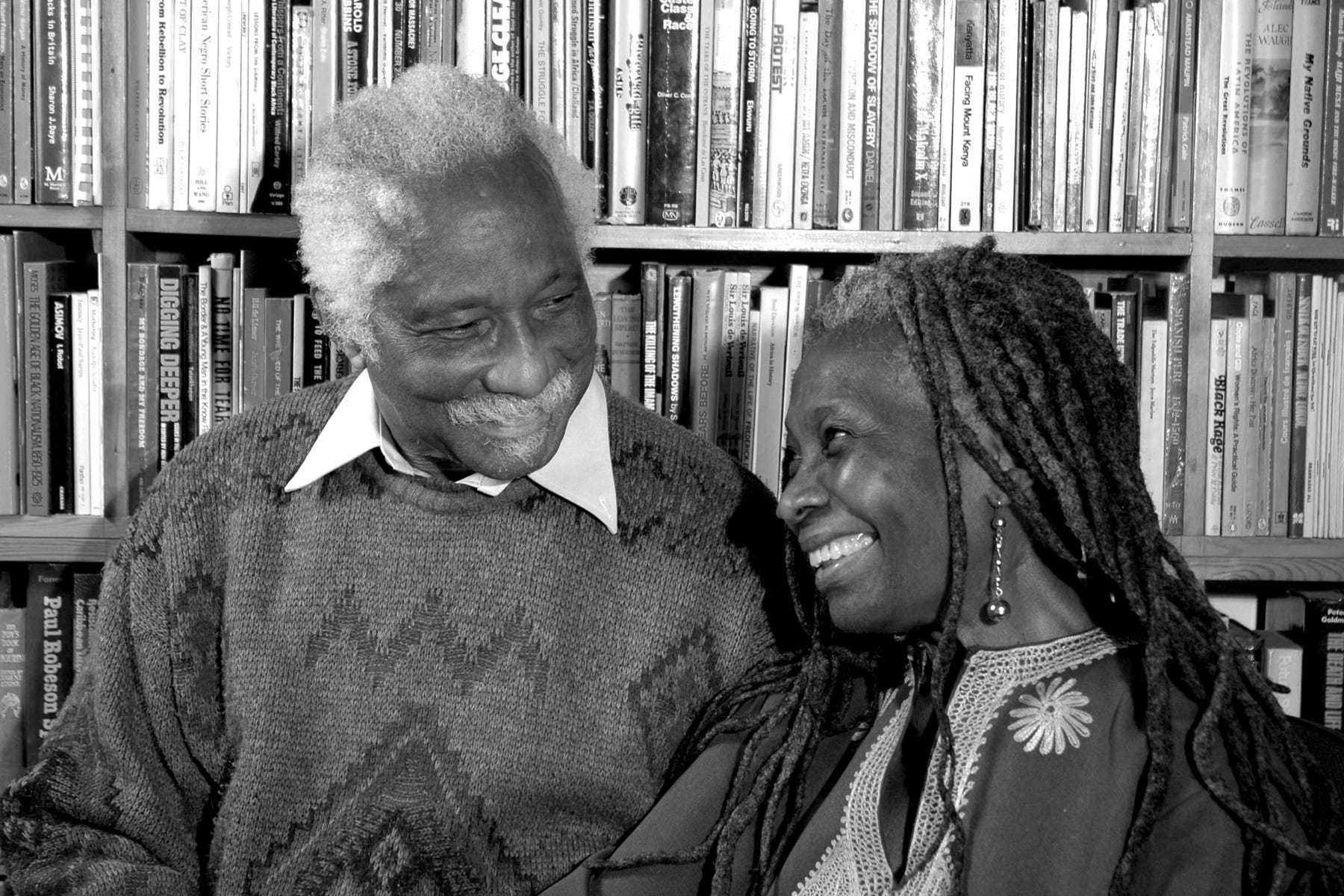
Born in Guyana, Mr Huntley moved to the UK in 1957 with his wife joining him a year later.
In 1968, the Huntleys co-founded Bogle L’Ouverture Publications, initially operating from their home.
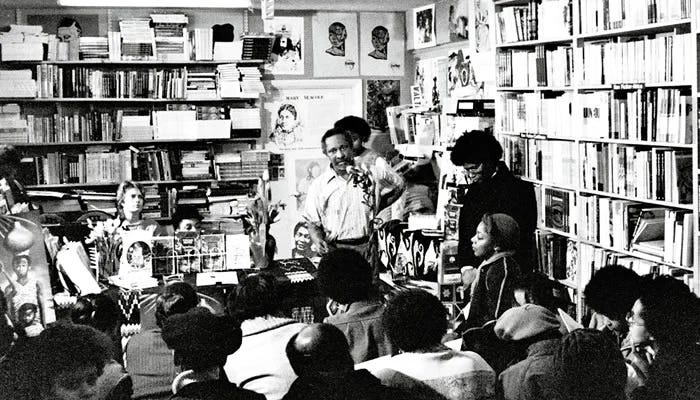
It went on to become one of the most important Black bookshops and publishing houses in Britain, serving as a vital hub for political education, cultural exchange and organising.
At the time, Bogle L’Ouverture was one of only three Black-owned publishing houses operating in London. The others were New Beacon Books, founded in 1966 by John La Rose, and Allison & Busby, established in 1967 by Margaret Busby and Clive Allison.
Rather than competing, the publishers worked collaboratively, recognising their shared purpose in building Black literary infrastructure.
That collaboration took shape through joint initiatives, including the International Book Fair of Radical Black and Third World Books, which ran for more than a decade throughout the 1980s and Bookshop Joint Action.
The latter was formed in response to a spate of racist attacks on Black and Asian community bookshops in the 1970s.
Bogle L’Ouverture played a crucial role in publishing and distributing books otherwise excluded from the publishing landscape, including the work of the Guyanese historian and revolutionary Walter Rodney, most famously How Europe Underdeveloped Africa. For many, the bookshop was far more than a retail space.
It functioned as an informal classroom, archive and meeting place where debates about colonialism, liberation, identity and self-determination unfolded.
Away from his better-known publishing work, Mr Huntley began an environmental project in 1995 with the launch of the quarterly magazine Caribbean Environment Watch.
The Huntleys’ achievements were made all the more remarkable by the lack of financial backing behind them.
When asked how he and Jessica managed to build so much with so little, Mr Huntley reflected on their early years during a 2024 interview with Freedom News.
The elder, affectionately known as Papa Huntley, explained: “Today if you have an idea, the first question they’re going to ask you is…how are you going to manage? Where are you going to get the money from? We never started off like that! Once you had an idea, you went ahead and somehow put it into practice.”
That ethos infused their work from the outset.
To fund their first publication, they printed posters and greetings cards and sold them to raise money.
When they opened the bookshop, friends working in offices quietly supplied them with stationery. It was a model built not on capital, but on collective effort, improvisation and determination.
The Huntleys’ work also extended beyond publishing into moments of collective struggle.
They were closely involved in the grassroots mobilisation that followed the New Cross Fire of 1981, when 13 young Black people were killed. A 14th person later died by suicide, and the state’s response was widely seen as dismissive and framed by institutional racism.
Mr Huntley belonged to a generation of Black intellectuals and organisers who helped shape modern Black Britain, working alongside figures including John La Rose, Darcus Howe and C. L. R. James.
Their efforts challenged colonial narratives, asserted Black self-determination and ensured that Black history, politics and culture were documented, preserved and passed on.
Mr Huntley did not wait to be included, instead building institutions where none existed and inspiring generations to come.
Got a news tip or story idea? Submit it via this form. Reader feedback and corrections are welcomed separately here.