

Black women: is your hair relaxer killing you?
This week, campaigners took concerns about hair relaxers directly to Parliament
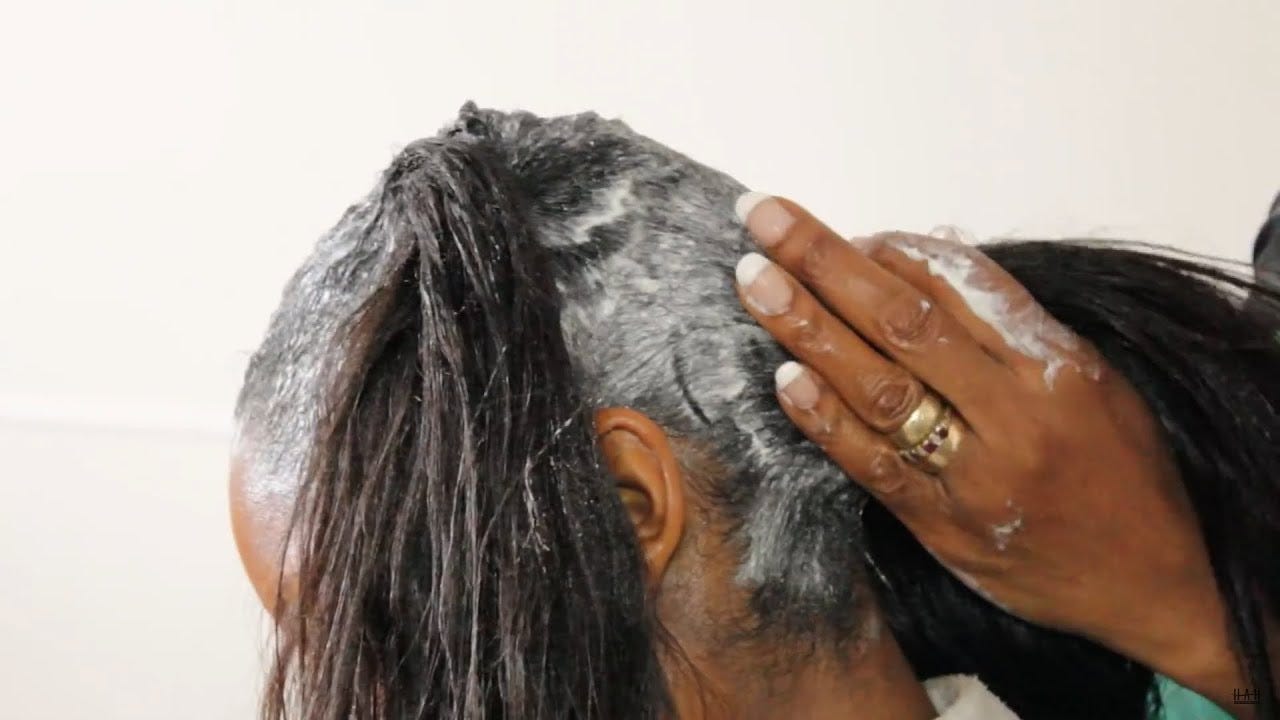
Hair relaxers - commonly known as ‘perms’ - have long been sold to Black women as normal, everyday beauty products.
They sit openly on UK shop shelves, marketed as safe. But growing evidence suggests some may be causing serious harm.
This week, campaigners took these concerns to Parliament, warning MPs that toxic chemicals found in hair relaxers marketed to Black women and children are not being properly regulated.
What’s the issue?
Many hair relaxers contain lye, also known as sodium hydroxide, a highly caustic chemical.
Black women have long reported scalp burns, hair loss and sores after using relaxers. But campaigners say a bigger concern is the effects of long-term exposure.
Studies have linked frequent use of chemical hair relaxers to increased risks of breast cancer, fibroids, hormone disruption, fertility problems and respiratory illness.
In a major UK poll, nearly two-thirds of Black British women said they had suffered damaging side effects from relaxers, while more than 95% said they do not trust big beauty brands to sell them safe products.
Why Parliament?
The evidence was heard by MPs on the Science, Innovation and Technology Committee as part of a new inquiry into the regulation of hair and beauty products.
The session, held at Westminster on 14 January, examined whether current rules are adequately protecting consumers from harm.
The inquiry follows a committee survey of around 300 people who reported being harmed by hair and beauty products or treatments. Fifteen per cent said the harm was permanent, while nearly three-quarters were unhappy with how their complaints were handled.
Level Up
MPs heard evidence from campaigners, including feminist community group Level Up, alongside industry bodies, focusing on gaps in regulation and consumer safety around products such as hair relaxers.
Campaigners argue this is not about personal choice, but accountability. They say UK regulation allows potentially harmful products to remain on shelves without adequate oversight or research into how they affect Black women’s bodies.
Seyi Falodun-Liburd, Level Up’s co-director, told the session: “Having worked on this issue for the last five years, we found that gaps within the UK’s existing regulatory and enforcement infrastructure, a lack of corporate accountability and research disparities are rooted in racism and discrimination, leave Black women and children unknowingly overexposed to dangerous chemicals that have life-threatening or life-altering consequences”.
Seyi argued that this is not about banning hair relaxers or telling Black women what to do with their hair. It is about being able to trust that products sold legally in the UK are safe.
Speaking to Black Current News previously, Seyi said: “Growing up, I watched women in salons leave looking different, never knowing these products could make us seriously ill.
“If Black women’s lives matter, companies must listen to the science and take these products off the shelves.”
What about beauty brands?
Major brands insist their products meet UK safety standards.
Campaigners counter that those standards do not reflect Black women’s lived experiences or the cumulative impact of years of chemical exposure.
They also point to international research showing that frequent relaxer use over long periods is associated with increased breast cancer risk among Black women.
Why it matters
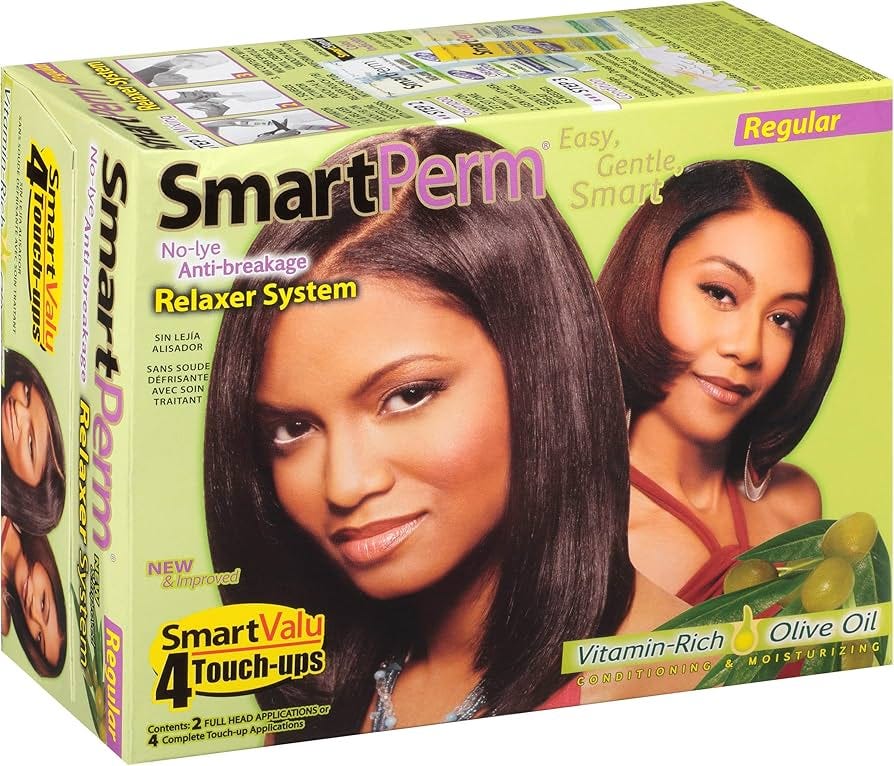
Black women spend significantly more on haircare than their white counterparts and are disproportionately targeted by chemical products.
Campaigners say this is a public health issue rooted in racial inequality.
Their message to Parliament is simple: beauty should never come at the cost of Black women’s health.
Level Up is encouraging people who have experienced harm after using hair relaxers to share their stories as part of ongoing evidence gathering.
Got a news tip or story idea? Submit it via this form. Reader feedback and corrections are welcomed separately here.