

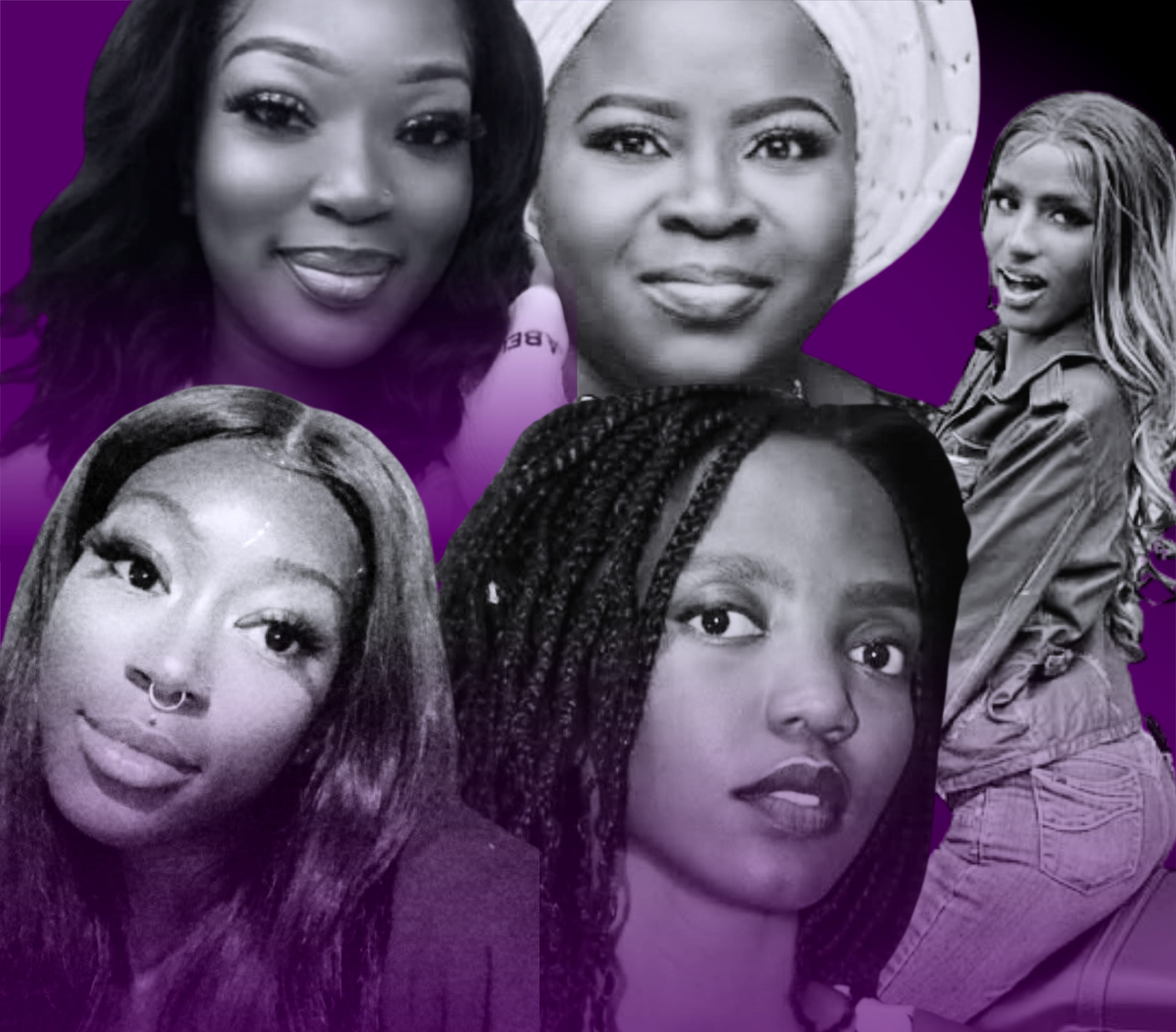
A series of deaths involving Black women found in water across the UK has raised questions about how such cases are investigated, classified and communicated.
Campaigners and families point to several cases between 2020 and 2026 in which women reported missing were later found in rivers, lakes or coastal areas, often with deaths deemed “non-suspicious” or “unexplained”.
Alarm about these cases has grown within Black communities in particular, with platforms including Your Aunties Could Never, The Canary UK, Dr Shola Speaks and For Black Women UK among those amplifying questions and frustrations raised by many.
Black Current News put detailed questions to Sussex Police, the Metropolitan Police and Thames Valley Police about investigative standards, classification decisions and whether similarities across cases are examined beyond individual forces.
Police say each case has been subject to thorough investigation, but families and campaigners argue that the pattern, and the consistency of official conclusions, remain difficult to reconcile.
Among the cases cited is that of Blessing Olusegun, a 21-year-old woman from London who had recently moved to East Sussex to work as a live-in carer. Her body was found on a beach near Bexhill in September 2020.
In May 2022, the senior coroner for East Sussex ruled that her death was accidental, concluding that she had entered the water unintentionally despite being unable to swim.
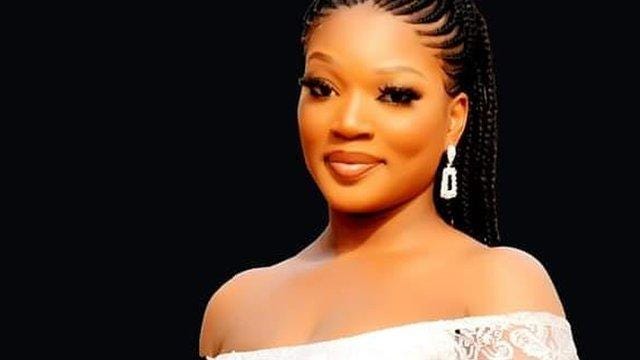
However, that conclusion followed a sustained campaign by Blessing’s family, who raised concerns about the police investigation and what they described as an “undue readiness” to treat her death as suicide.
They also did not discount the possibility that race may have been a factor in both her death and the way it was investigated, noting that she had died in an overwhelmingly white town - 96% - and significantly older in demographic profile.
The coroner acknowledged that, while there was no evidence of third-party involvement, it could not be ruled out definitively.
While defending their investigation into Blessing’s death, Sussex Police told Black Current News that the force is aware of community concerns and takes them seriously.
In December 2022, Taiwo Balogun, aged 53, was found dead in a lake near Bluewater shopping centre in Kent after being missing for a whole month (29 days) before her body was discovered.
Her death was initially treated as unexpected but not suspicious.
An inquest later concluded in October 2023 that the mum-of-three died by suicide, with evidence of acute alcohol intoxication and a history of mental ill health, including autism, schizophrenia and bipolar disorder.
Taiwo’s twin brother, Kenny, said she had struggled in the years after the death of her only daughter in 2007.
Despite her vulnerability, widespread and sustained media appeals were not launched at the time of her disappearance, raising questions about how such cases are prioritised.
Similar concerns have also been raised in cases involving Black children and young people whose bodies were later recovered from water, including 2-year-old Xielo Maruziva (2024), 5-year-old Daniel Alaby (2024), 11-year-old Kaliyah Coa (2025), 14-year-old Noah Donohoe (2020) and Richard Okorogheye, a 19-year-old (2021).
While the circumstances of each case differ, the handling of Richard’s disappearance was formally criticised by the police watchdog after delays in how his case was initially recorded and responded to.
More recently, in March 2026, the body of Edna Mmbali Ombakho was recovered from water in Wraysbury, Berkshire.
Thames Valley Police said her death was “unexplained but not suspicious”, with a file prepared for the coroner.
The Metropolitan Police have also confirmed that the deaths of Samaria Ayanle, a 19-year-old student, and Kayon Williams, whose body was recovered from the River Thames in 2022, were both classified as non-suspicious, with cases referred to the coroner.
Questions have also been raised about how such cases are handled in practice.
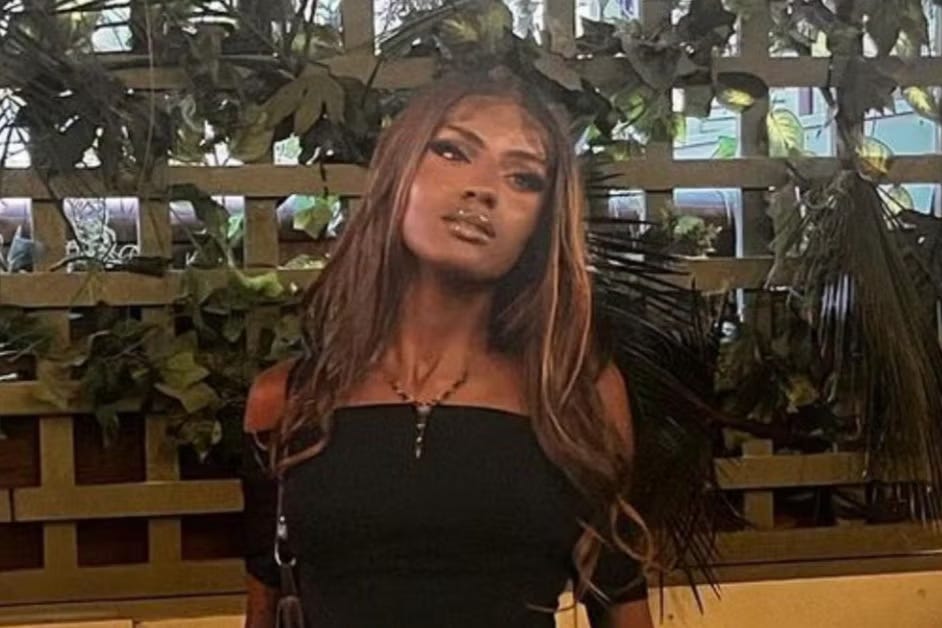
In Samaria Ayanle’s case, her body had been recovered from the Thames on 22 February 2024, but was not formally identified until nearly three weeks later, after she was reported missing.
The teenager’s friends described the delay as “unforgiveable”, raising concerns about how information was shared and acted upon.
Police forces contacted said each case had been subject to thorough investigation, with classifications based on available evidence and overseen by coroners - and that no evidence of third-party involvement had been identified.
The issue is not just whether each case has an explanation, but why, taken together, they continue to leave families and communities unconvinced.
Concerns about these deaths sit within a wider pattern that has been documented over several years.
Black people have been significantly overrepresented in missing persons data.
In England and Wales, they have accounted for around 14% of missing people despite making up roughly 4% of the population.
In London, the disparity has been even more pronounced, with Black people accounting for 36% of missing persons cases, nearly three times their share of the population.
The disparity has led to longstanding worries around Black people being overrepresented among the missing, but underrepresented in public attention when they disappear.
A 2025 study by journalist Charlie Brinkhurst-Cuff suggests these issues are not emerging in a vacuum.
This research found that Black people are disproportionately represented in missing persons data in the UK, yet their cases often receive less media attention and are less likely to prompt sustained public engagement.
The study also found that decisions about which cases receive coverage are shaped not only by data, but by editorial judgement about what is considered “newsworthy”.
A separate study by Missing People, the charity, drew similar conclusions.
For Black Women UK, a platform raising awareness of violence and neglect affecting Black women and girls in the UK, the sense of panic around these cases stems not only from the outcomes of investigations, but from what happens before them.
Founder Latoya Dennis told Black Current News that she began highlighting cases after noticing a recurring pattern in which Black women were reported missing but received little public attention until they were found dead.
“While each case is different, one of the most concerning similarities is the number of cases where Black women have gone missing and were later found in bodies of water,” she said.
“Alongside this, there is a consistent lack of urgency, media coverage and public awareness while they are missing, which can impact search efforts and outcomes.”
Latoya added that families and communities have raised concerns about transparency in investigations and whether such cases are treated with the same level of priority as others.
“It has contributed to growing concern and a lack of confidence,” she said.
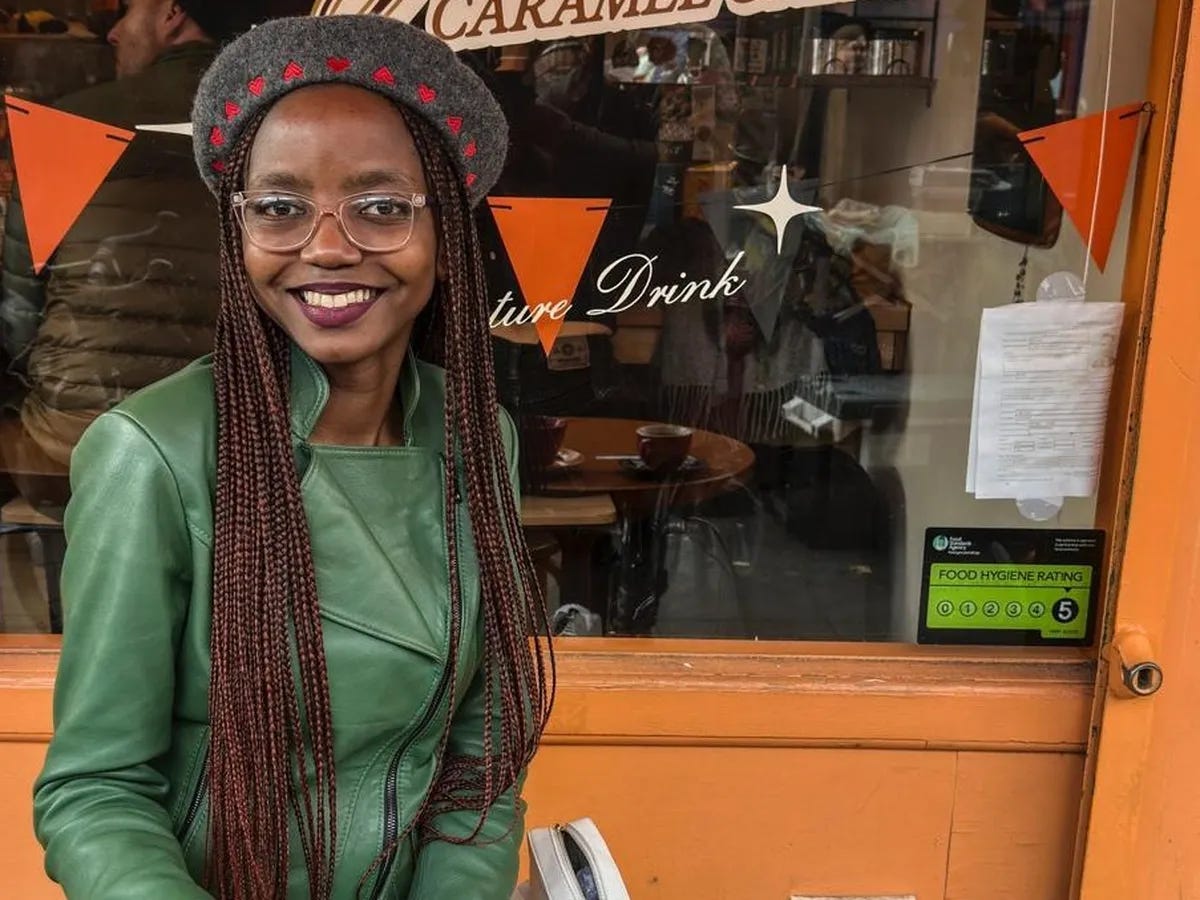
“Many people feel that if they or someone they know were to go missing, their case may not receive the attention needed.”
Campaigners are calling for greater transparency, improved data collection and more consistent media coverage when Black people are reported missing.
Despite speculation online, there is no evidence to indicate that these cases are connected or that a single perpetrator is responsible.
For many families and campaigners, the issue is not rooted in speculation but in confidence, or lack thereof - whether the system is doing enough, early enough and visibly enough to ensure that no case is overlooked.
If you have been affected by any of the issues in this article, support is available. You can contact the Samaritans for free on 116 123 or visit samaritans.org.
If you value independent journalism that puts Black perspectives front and centre, support Black Current News by subscribing. Got a news tip or story idea? Submit it via this form. Reader feedback and corrections are welcome here.

Can someone please share the data on people dying by water in the uk showing the race and gender of the victims so we can see if there is disproportionality? That data will show if there are 1,000; 10,000 or 100,000 incidents in total and how many are Afrikan women and men. That data will make it harder for the authorities to dismiss concerns about the cases of Afrikan people.
There is a serial killer. I have been following these deaths since 2020. All blk.between ages of 19 and 24. There have also been black boys as well. Most have been uni students as well..