


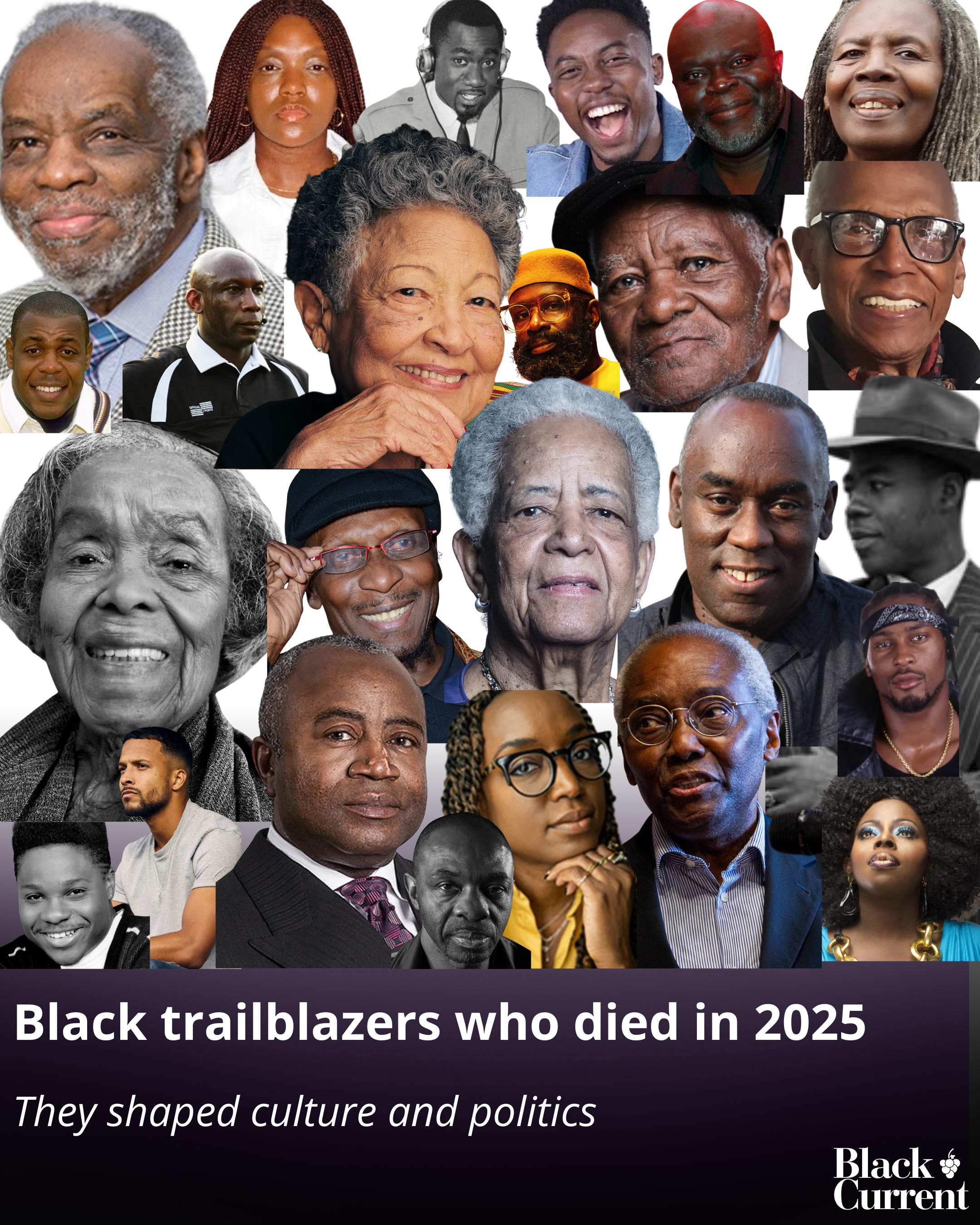
Tomorrow’s not promised to anyone but, damn, 2025 was a year of profound loss for Black Britain and the wider diaspora.
From the architects of our cultural institutions to the artists who soundtracked our lives, we said goodbye to trailblazers whose contributions shaped the world we live in today.
Some names made headlines. Others moved quietly, their work felt deeply in communities that mainstream narratives often overlook. What unites them is this: they refused to wait for permission. They built stages, opened doors, challenged systems and left legacies that will outlive us all.
This is not an exhaustive list - the losses were great - but it is a necessary one. These are the lives that deserve to be remembered properly.
Community pioneers
John Richards
One of the last surviving passengers from the HMT Empire Windrush voyage, Richards represented a generation that built modern Britain with their bare hands. His passing marks the end of a living link to one of the most significant moments in British history - the arrival of Caribbean migrants who were promised opportunity but met with hostility, and who persevered anyway.
Gerlin Bean
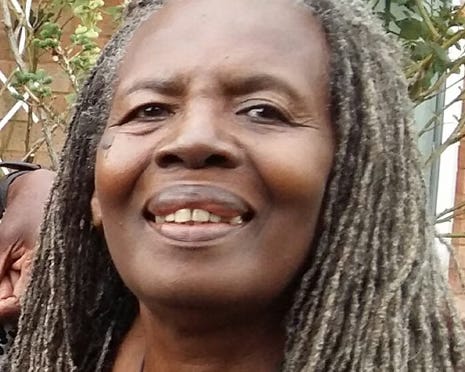
A key figure in British Black feminism and a founding member of the Organisation of Women of African and Asian Descent (OWAAD), Gerlin’s activism in the 1970s and 1980s laid the groundwork for intersectional organising in the UK. She understood that liberation had to account for race, gender and class - and she fought accordingly.
Mike Eghan
A broadcasting pioneer, Mike’s influence extended across the African diaspora. His voice on Ghana’s airwaves represented a generation of African media trailblazers who shaped whose voices were heard. Around the 1970s, he made history when he became one of the first African broadcasters to host a BBC radio programme.
Tina Aparico
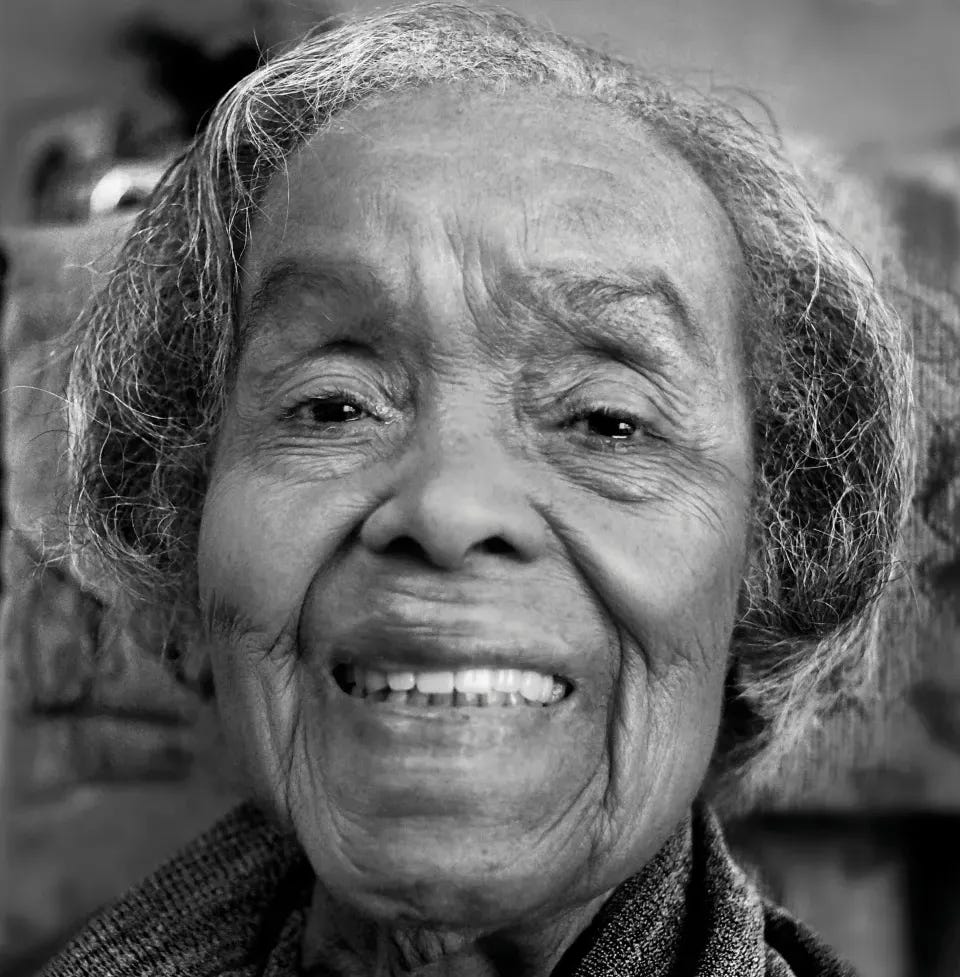
A remarkable Trinidadian-British midwife who delivered over 2,000 babies during her NHS career. Tina hands welcomed thousands of lives into the world and her work is a testament to the care that Windrush-era nurses brought to the NHS. She was part of the backbone that built Britain’s health service.
Sonny Blacks
The pioneering impresario anwasd one of the founders of Notting Hill Carnival. He was also a renowned promoter of Calypso and Steel Pan music, widely regarded as the first person to put the Mighty Sparrow on stage. Though he’d been diagnosed with a serious health condition, Sonny was actively involved with Carnival planning up until his passing and was reportedly working on an autobiography.
Professor Sir Geoff Palmer
Scotland’s first Black professor and a world-renowned grain scientist whose research revolutionised the brewing industry. But Geoff’s legacy extends far beyond the lab: he campaigned tirelessly for recognition of Scotland’s role in slavery, fought for racial justice in education and mentored generations of Black students. He used his platform to challenge historical amnesia and institutional racism until his final days.
Bunny Bread
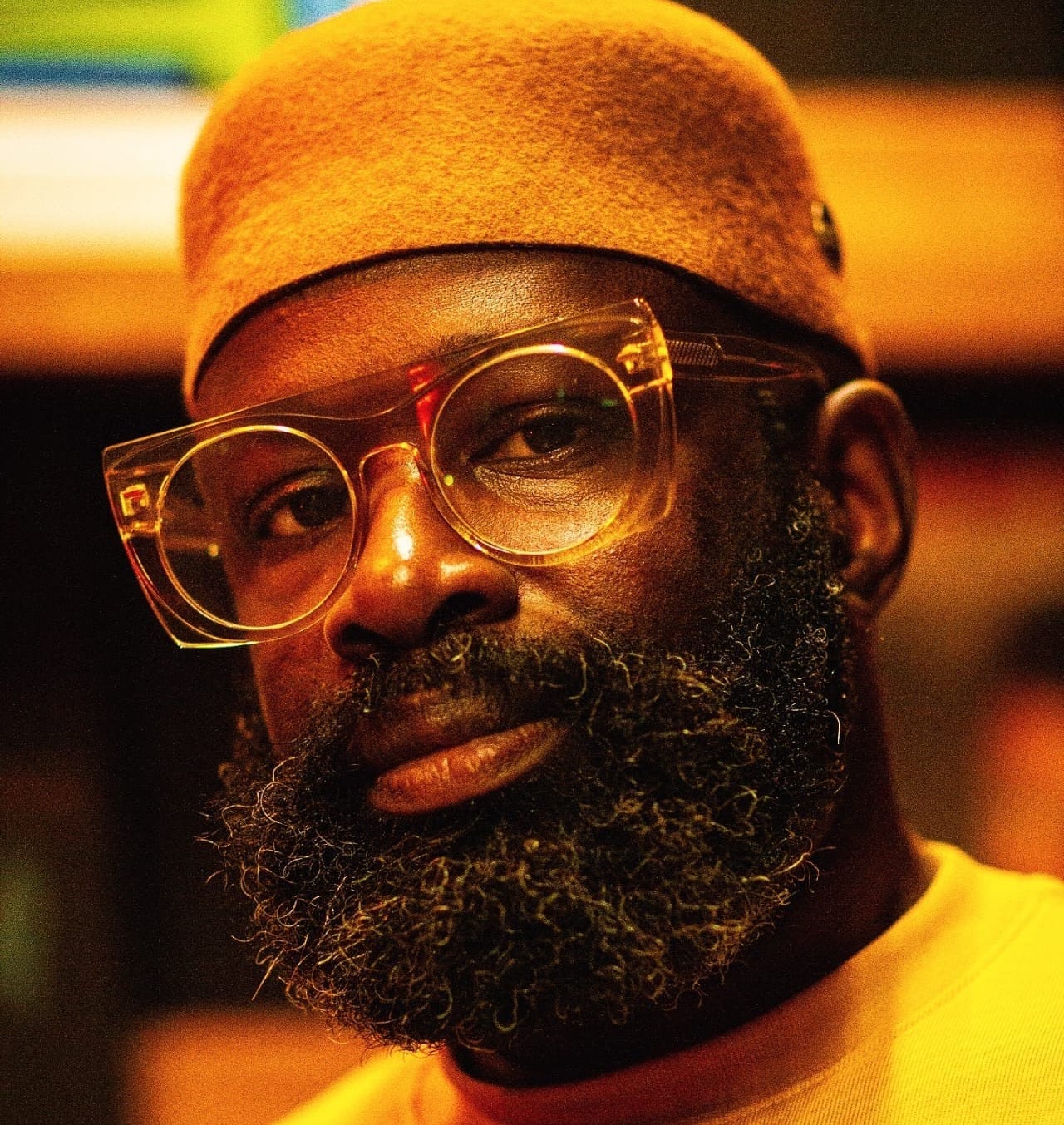
A mural artist whose work became part of the visual fabric of Black British communities, Bunny used walls as his canvas and neighbourhoods as his gallery. At a time when inner-city Britain was routinely neglected, his murals asserted presence, pride and belonging. His art told our stories in public space. Tales of Black life, struggle, joy and endurance. Painted on street corners, community centres and overlooked buildings, his work transformed everyday environments into places of meaning.
Arts & entertainment
Alex Wheatle
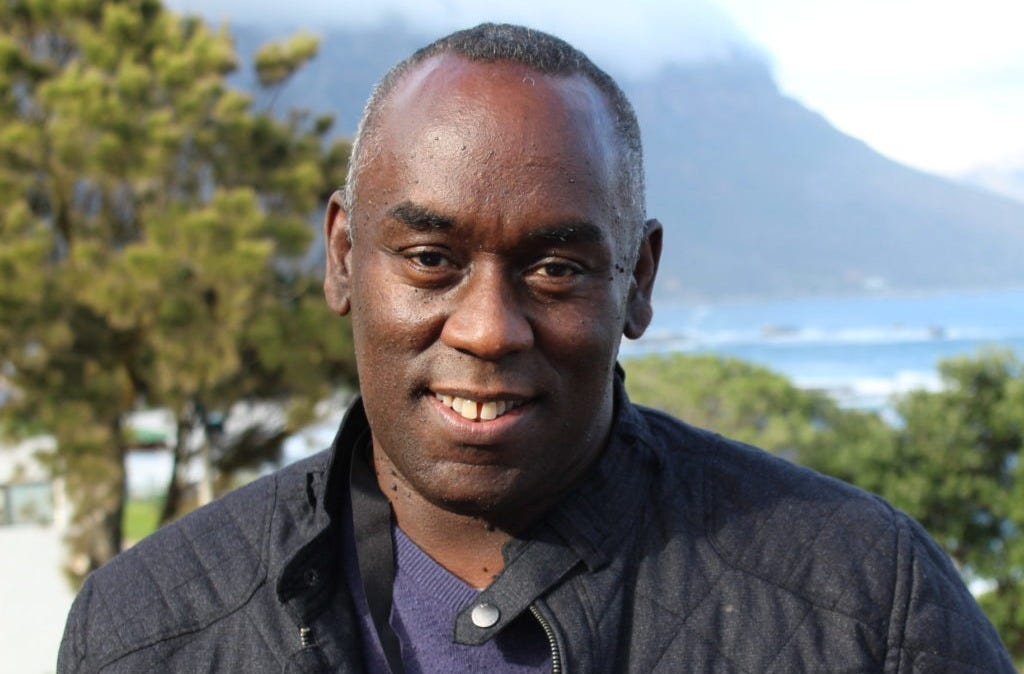
Known as the “Brixton Bard,” Alex was a novelist whose Crongton series brought South London youth culture to life with authenticity and heart. His work gave voice to young Black Britons navigating identity, community and survival. From care homes to bestseller lists, his journey was one of resilience and storytelling power. Alex was a friend to many. When he decided to reveal his cancer diagnosis to the world, he chose to do so in a conversation with Nadine - a testament to the trust he placed in those who understood his story.
Jules Walter
An actor and longstanding cultural figure in Notting Hill, Jules was part of the generation of Caribbean performers who broke ground in British TV and film. His presence on screen mattered - not just for what he played, but for the doors his persistence helped open.
Yvonne Brewster
An actress and pioneering force in Black British theatre, Yvonne co-founded Talawa Theatre Company in 1985, creating a space for Black actors, directors and stories to flourish. Her influence reshaped British theatre, proving that Black creativity didn’t need permission - it needed platforms. She built one.
Clovis Salmon
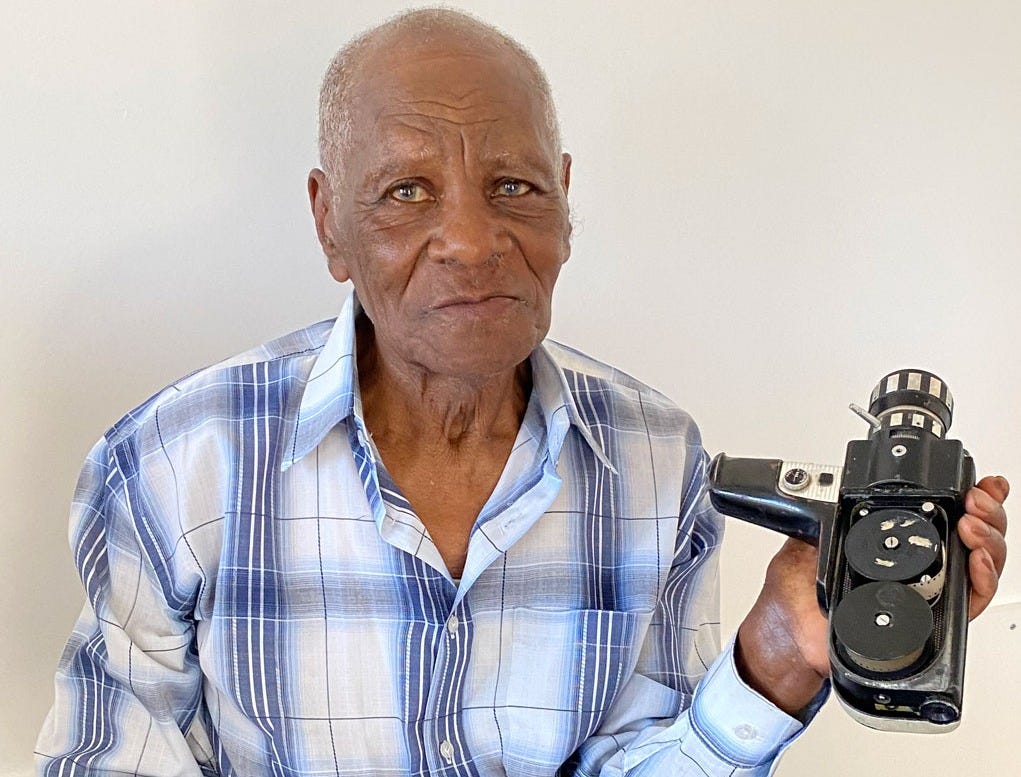
Regarded as one of UK’s first Black documentary filmmakers, Clovis is best known for filming the 1981 Brixton uprising and documenting Black community life in South London. Affectionately known as “Sam the Wheels”, his camera captured what institutions often ignored: the texture, struggle and joy of Black British life. His archive is a gift.
Charles Thompson
Founder of the Screen Nation Film & TV Awards - often described as the “Black BAFTAs” - Charles recognised that if the industry wouldn’t celebrate Black talent, the community would do it themselves. For over two decades, Screen Nation was a space of recognition, pride and possibility.
Sareeta Domingo, Denis Kaate, MC Slarta John, Mel Rudder and Jay Wynne each contributed to the UK's entertainment and broadcasting industries - whether on stage, behind the scenes or through creative work that enriched the cultural landscape. Their presence mattered and our communities communities owe them an immense debt of gratitude.
Politics, law & public service
Baroness Ros Howells
A trailblazer in politics and public service, Baroness Howells was the first Black woman to sit in the House of Lords. Her work championed race equality, education, and community development. She understood power and she used it to advocate for those who had little.
Courtenay Griffiths KC
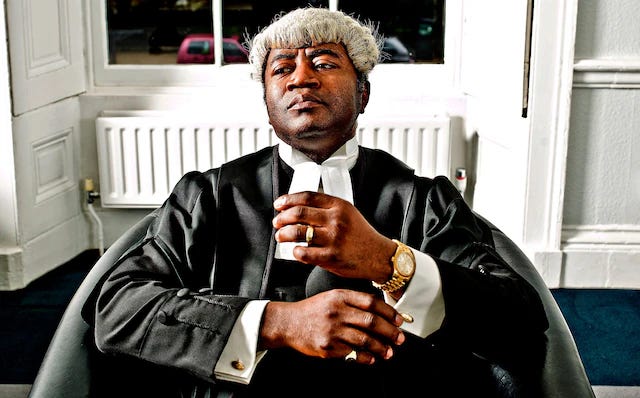
One of Britain’s first Black barristers to become QC (now KC), Courtenay was known for his fearless advocacy in high-profile international cases, including his work at the Special Court for Sierra Leone. He broke barriers in a profession that was never designed to include Black people and he did it with brilliance.
Dr Aggrey Burke
Widely recognised as the NHS’s first Black consultant psychiatrist, Dr Burke was a pioneer in mental health care and a co-founder of the George Padmore Institute. His work challenged institutional racism within psychiatry and paved the way for culturally sensitive approaches to mental health. His legacy is both clinical and cultural.
Ena Collymore-Woodstock
Ena was a Jamaican-British legal pioneer and the oldest living woman WWII veteran.
Born in Spanish Town, she left Jamaica at 26 to join the British Army, serving from 1943 - 46 in the UK and Belgium as the first Black female radar operator. In 1946, Ena became the first Black woman to train at Gray’s Inn in London and the only female member of its debating society.
In 1948, she was called to the bar, qualifying as a barrister. A legacy built on courage, service and groundbreaking firsts.
Sport
Uriah Rennie
One of the Premier League’s first Black referees, Rennie officiated top-flight football at a time when racism on and off the pitch was rampant. His presence in the game was a statement: Black excellence belongs everywhere, even in spaces that resist it.
Joe Thompson
The former professional footballer’s battle with cancer became a story of courage that transcended sport. Joe’s openness about his illness and his determination to keep playing inspired countless people facing their own fights. He showed vulnerability as strength.
James Cook
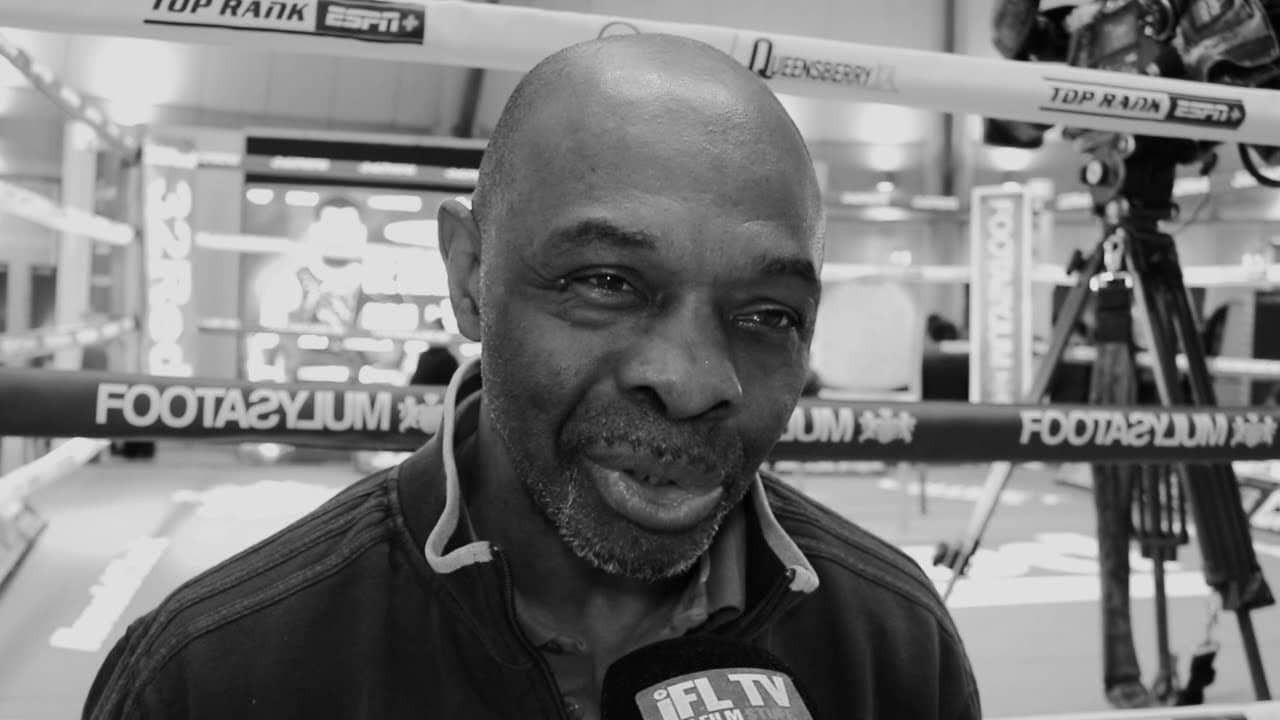
A super-middleweight boxer whose career reflected the grit and discipline of a generation of Black British athletes, James’ time in the ring was marked by determination and skill. His contribution to British boxing is part of a larger story of Black excellence in sport.
David “Syd” Lawrence
Former England cricketer whose pace bowling made him one of the most exciting players of his generation. David’s career was cut short by injury, but his impact on the game and his presence as one of few Black cricketers representing England at the highest level remains significant.
Music legends
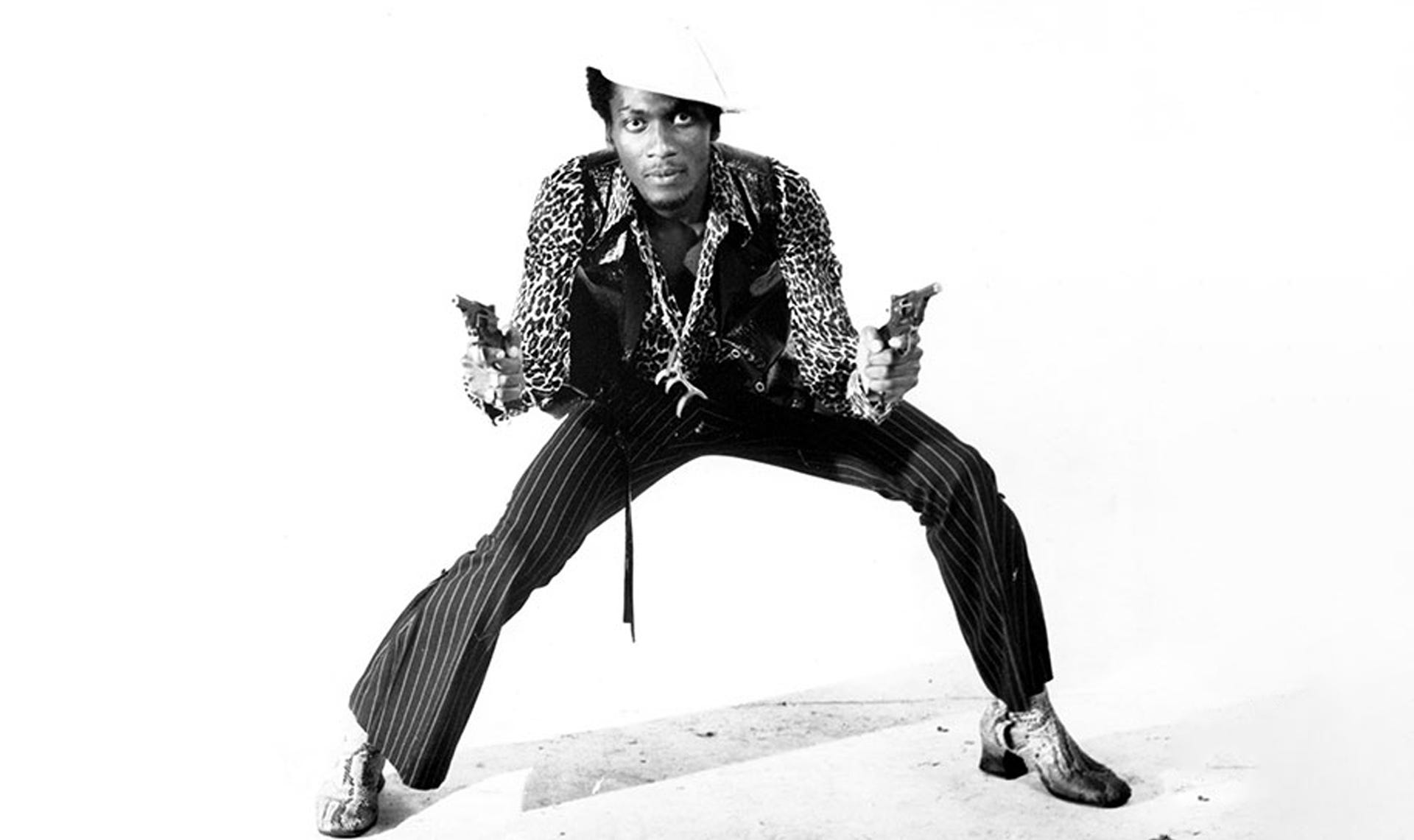
This year, we also lost several giants of Caribbean music whose influence shaped sound systems, dancehalls, and global music culture. Cocoa Tea, the reggae singer known for hits like ‘Rikers Island’. brought conscious roots reggae to the masses. Jimmy Cliff, the legendary Jamaican musician and actor whose “The Harder They Come” became a cultural touchstone, defined an era. Junior Byles, whose haunting “Fade Away” became an anthem, left a legacy in roots reggae. Max Romeo, known for “War Ina Babylon” and his fearless political commentary through music, was a voice of resistance.
US icons who shaped the diaspora
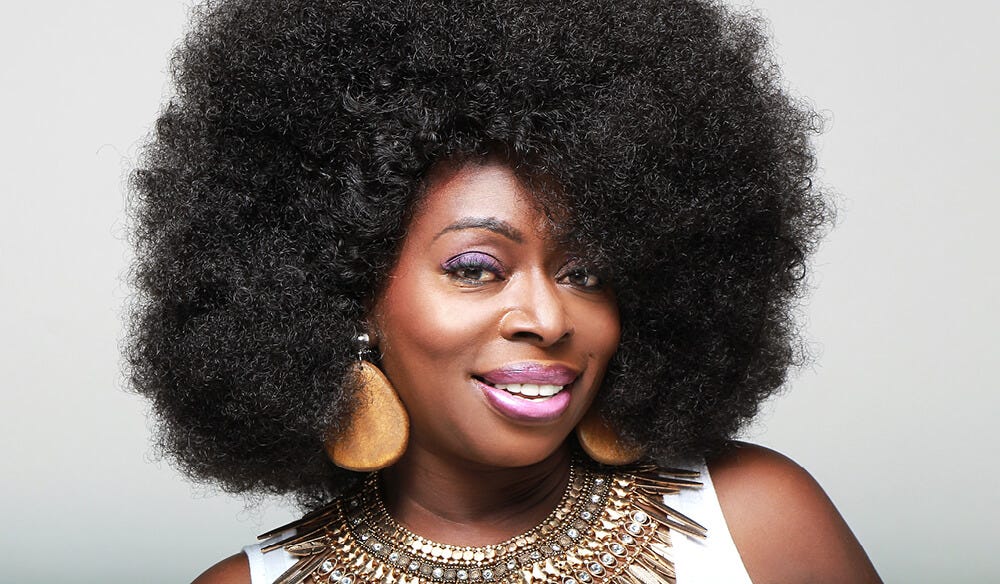
Several American trailblazers whose work deeply influenced Black British culture also passed in 2025. Roy Ayers, the jazz-funk pioneer whose “Everybody Loves the Sunshine” became a universal groove, defined an era of soul. Angie Stone, the neo-soul queen, gave us anthems of love and resilience. D’Angelo, the renowned crooner who created a timeless soundtrack of smooth hits. Roberta Flack, whose “Killing Me Softly” became one of the most covered songs in history, was a voice of tenderness and power. Sam Moore of Sam & Dave brought us “Soul Man” and electrified stages for decades. Carl Carlton gave us “She’s a Bad Mama Jama,” a funk classic. D’Wayne Wiggins of Tony! Toni! Toné! shaped ‘90s R&B. George Foreman, the boxing legend and cultural icon, transcended sport. Malcolm-Jamal Warner, actor and musician, represented Black excellence on screen through The Cosby Show and other roles. Ananda Lewis, the former MTV host who became a face of a generation in the late '90s and early 2000s. Retired Lt. Col. Harry Stewart Jr - one of the legendary Tuskegee Airmen, the first African-American military aviators in the US Armed Forces. Their influence crossed oceans.
Other notable losses
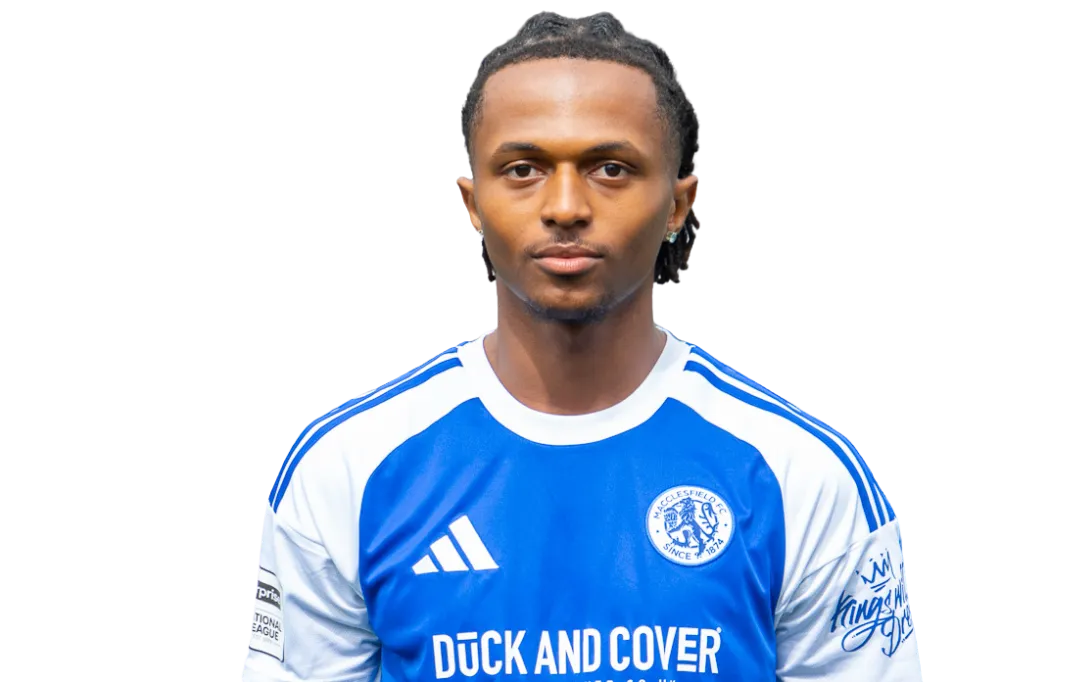
Budding footballer Ethan McLeod, Ghanaian highlife musician Daddy Lumba, Marcus Fakana - whose UAE case sparked human rights campaigning, activist Assata Shakur, Voletta Wallace - the mother of legendary rapper Biggie Smalls, diplomat Alsion Roach Wilson, sarcoma awareness campaigner Darrell McDonald, house music producer Rhano Burrell, academic Marika Sherwood all left their marks in different ways - music, community organising, teachable moments and activism. Each life mattered. Each absence is felt.
This post is public - please feel free to share it.
Got news, a tip, a story idea or thoughts on our coverage? Email admin@blackcurrentnews.co.uk. We read everything and take our community seriously.