

Exclusive | ‘Foxes before Mary Seacole’: Bank of England accused of ducking diversity over banknote changes
Campaigners and MPs tell Black Current News the Bank's banknote redesign risks sidelining calls to recognise Black and minority ethnic figures who helped to shape Britain

Plans to replace historical figures on UK banknotes with images of British wildlife have reignited debate about representation on the nation’s currency.
The Bank of England has announced that wildlife will feature on the next generation of banknotes following a public consultation in which nature emerged as the most popular theme among more than 44,000 responses.
Officials say the move could help create banknotes that are easily recognisable while celebrating the UK’s natural environment.
However, the decision also brings to an end a decades-long tradition of featuring notable historical figures on the reverse side of Bank of England notes. No Black historical figure has ever appeared on the Bank’s currency.
Professor Patrick Vernon OBE, co-founder of the Banknotes of Colour campaign, said the move risks sidestepping longstanding calls for greater diversity on Britain’s currency.
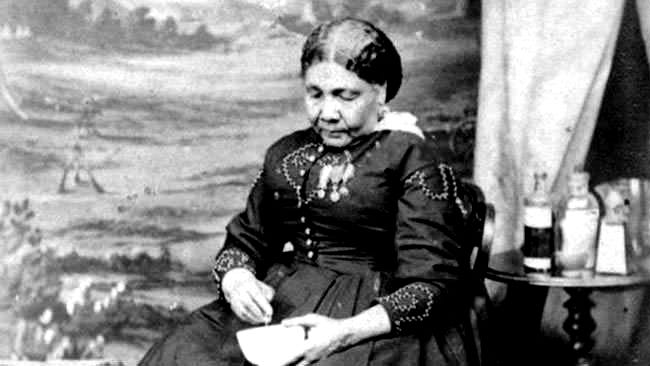
Patrick told Black Current News: “The Bank of England’s decision to potentially prioritise a fox or a squirrel over honouring Mary Seacole speaks volumes about whose stories this country is willing to celebrate.
“After decades of campaigning for fair representation on our currency, this move feels like a deliberate sidestep, replacing people altogether rather than acknowledging Britain’s diverse human history.
“Mary Seacole is a national hero whose legacy spans Britain and the Caribbean,” he added.
“The fact that wildlife is deemed more acceptable than recognising a pioneering Black woman shows how far we still have to go in confronting our past and valuing all of Britain’s people.”
Nature was selected by 60% of respondents to the Bank’s consultation as a preferred theme, ahead of architecture and landmarks (56%) and historical figures (38%).
Sunder Katwala, director of thinktank British Future, said the Bank appeared to be avoiding a difficult but necessary conversation.
Speaking to Black Current News, he said: “The Bank of England has decided to duck the question of who to feature on our banknotes, fearing controversy. It could easily have engaged with the question and found a common-ground consensus.
“Only an angry minority of people would have a problem with an ethnic minority face on one of our banknotes. They will be chalking this up as a win.
“Featuring composer Samuel Coleridge-Taylor or war hero Noor Inayat Khan on notes, alongside more famous figures like Turner and Jane Austen, would be good for public understanding.
“Anyone who values the commemoration of our history should be disappointed with this decision. We know that Britain is a nation of animal lovers. But we are proud and passionate about our history too - and that includes the vast contribution of ethnic minority Britons.”
Kim Johnson, Labour MP for Liverpool Riverside, also criticised the move.
Speaking to Black Current News, the politician said: “It is disappointing that the Bank of England once again misses the opportunity to celebrate the achievements of Black and minority ethnic individuals who have helped shape this country.
“Our banknotes are supposed to reflect the people who built our history and our culture, from all backgrounds and all walks of life.
“At a time when divisive attitudes are increasing, this decision sends the wrong message when we should be working to bring communities together.
“Recognising the contributions of individuals from every community would have been a powerful statement of unity - something we need now more than ever.”
The debate over representation on Britain’s currency has been running for several years.
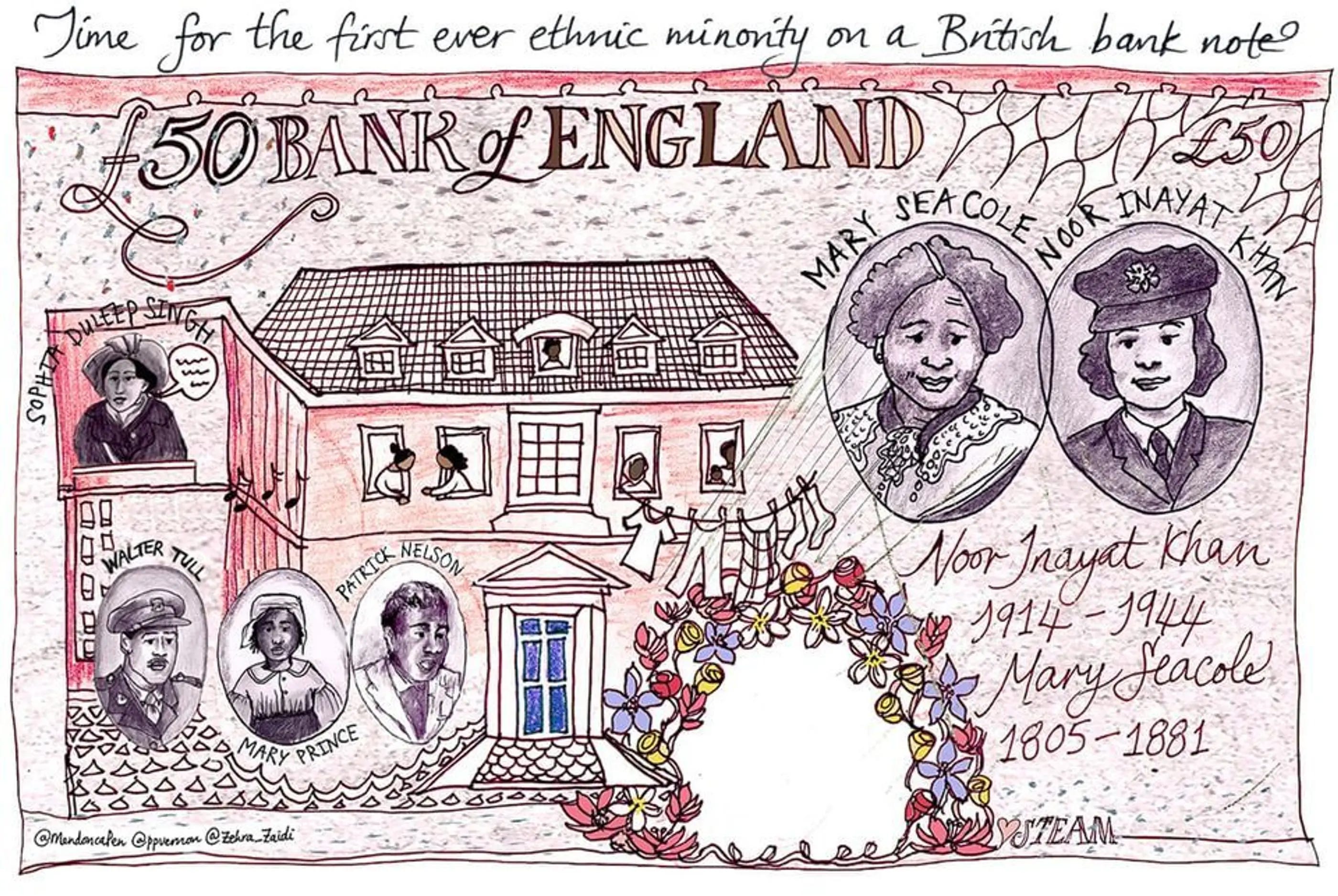
The Banknotes of Colour campaign was launched in 2018 by lawyer Zehra Zaidi and Patrick Vernon to address the absence of Black, Asian and minority ethnic historical figures on Bank of England banknotes.
The campaign brought together more than 200 public figures, including historians, actors and MPs, and advocated for individuals such as Crimean War nurse Mary Seacole and Second World War secret agent Noor Inayat Khan to be featured on UK currency.
The movement gained political traction in 2019 when MPs debated a proposal that would have required the Bank of England to meet standards for the representation of ethnic minority figures on banknotes.
Supporters argued that acknowledging figures from minority backgrounds would better reflect the UK’s increasingly diverse population and acknowledge the contributions of communities that have helped shape modern Britain.
The decision to remove historical figures altogether has also prompted criticism from some politicians concerned about the removal of figures, namely former British Prime Minister Winston Churchill, from banknotes.
Conservative Party leader Kemi Badenoch said the move amounted to “erasing our history”, describing the shift to wildlife imagery as “a silly thing to do.”
Meanwhile, far-right leader Nigel Farage dismissed the redesign as “the definition of woke”, while Ed Davey, leader of the Liberal Democrats, wrote online: “Winston Churchill helped defeat fascism in Europe. He deserves better than being replaced by a badger.”
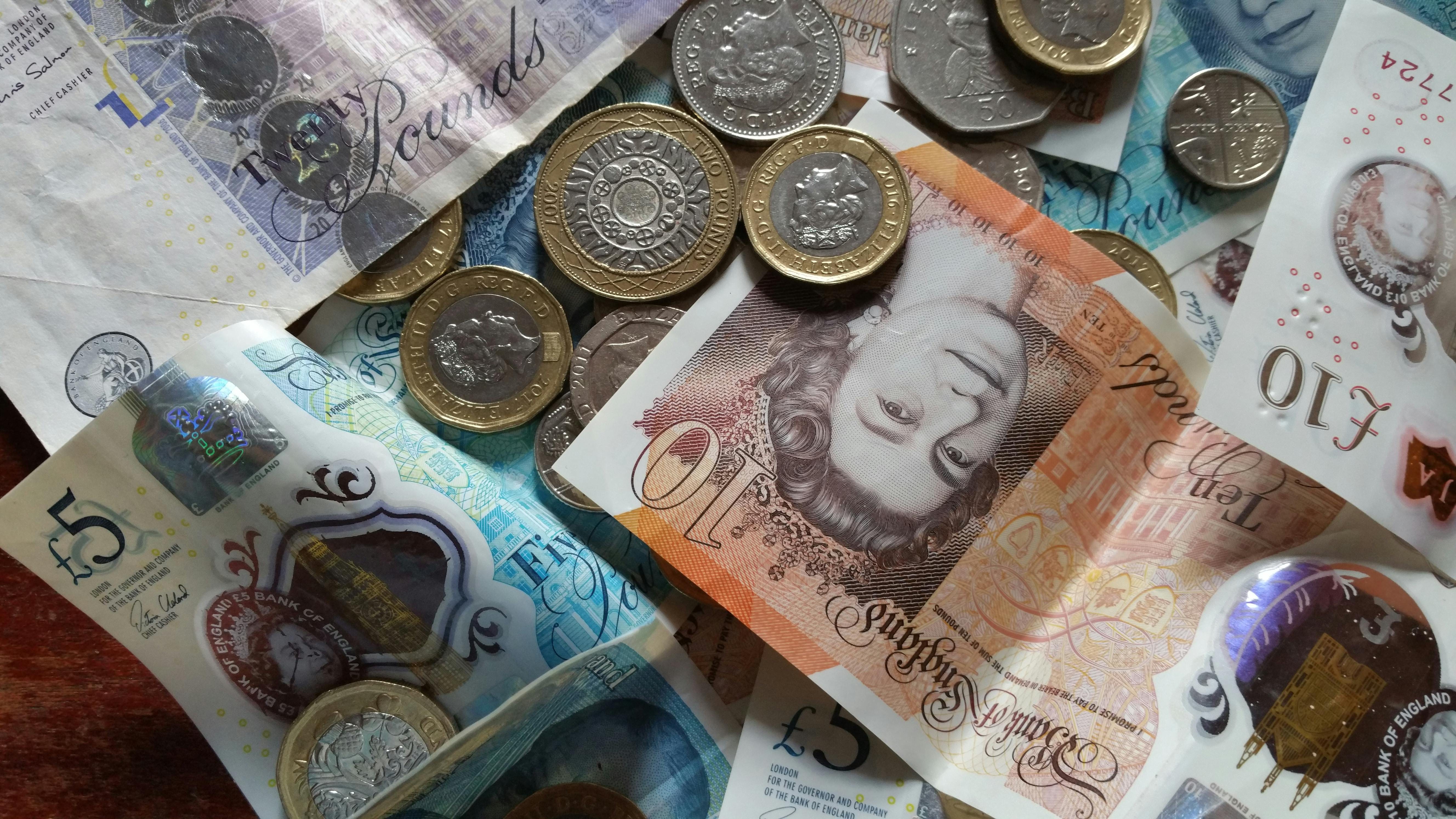
Currently circulating Bank of England notes feature Churchill on the £5 note, Jane Austen on the £10 note, artist JMW Turner on the £20 note and mathematician Alan Turing on the £50 note.
Responding to criticism, the Bank said the redesign followed the outcome of its public consultation and noted that historical figures were one of several themes considered.
A spokesperson said: “Banknotes serve as a symbolic representation of our collective national identity and an opportunity to celebrate the UK.
“The consultation gave people the opportunity to express their views on what theme they would like us to feature on the next series of our banknotes.”
The Bank also said it had considered equality legislation during the consultation process and that while the next series of banknotes will feature wildlife, it is “too early to say what banknotes beyond this series will feature”.
However, Patrick said the institution had a wider responsibility.

“The Bank of England has a duty to educate and inform the public so they understand that there are gaps in representation on our banknotes,” he said.
“The institution itself played a key role in financing aspects of the transatlantic slave trade. Organisations like the Church of England are now beginning to acknowledge that history and repair the harm.
“The Bank should be doing the same rather than stepping away from the question of representation altogether.”
Campaigners say the redesign risks closing off an important opportunity for national recognition.
One activist involved in the push for greater representation on UK currency, who asked not to be named, said the decision felt like a step backwards.
“It’s like…God forbid the Bank of England should feature Black people on its currency.”
For some campaigners, those figures underline a broader concern that Britain’s national symbols often commemorate animals, empire and military figures more readily than the diverse communities that helped shape the country.
Got a news tip or story idea? Submit it via this form. Reader feedback and corrections are welcomed separately here.
